The Hardware Upgrade
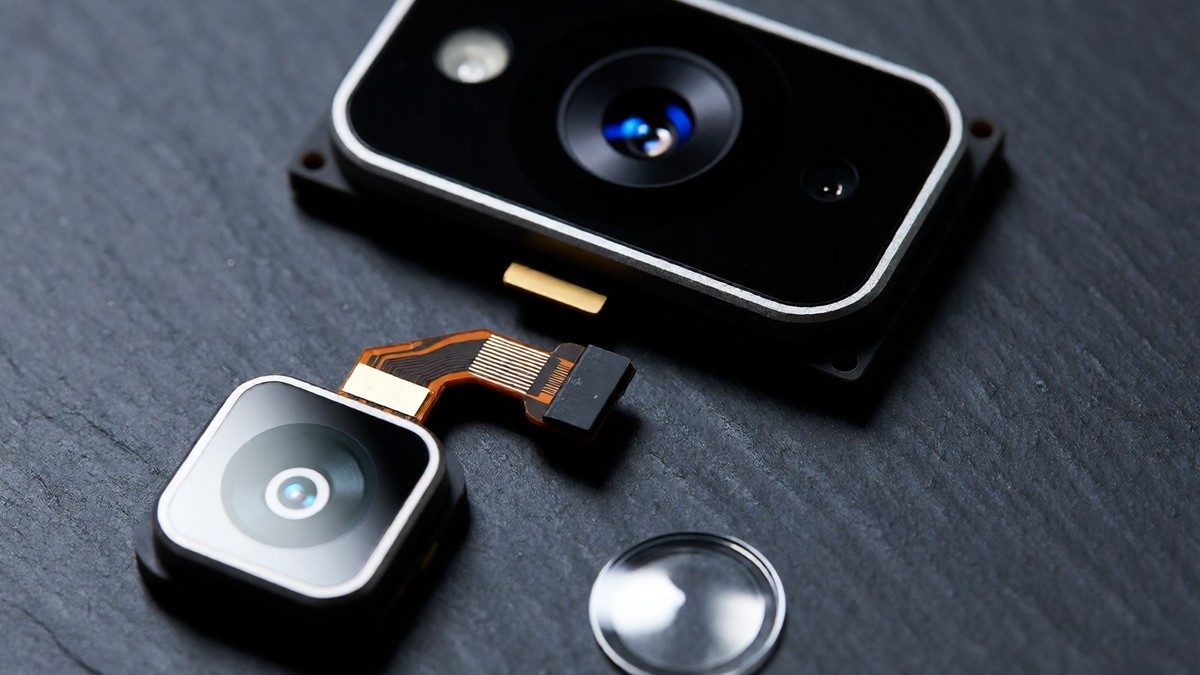
The iPhone 17 Pro uses 48MP sensors for all three rear camera modules to maintain high detail. The telephoto lens is 56% larger than the sensor in the previous generation. This makes the telephoto camera match the resolution of the main and ultra wide cameras. The system provides various focal lengths through intelligent cropping and sensor capture modes. Apple calls this the "48MP Pro Fusion camera system". The A19 Pro chip handles the processing for these modes. The device includes a dedicated camera control button for instant access to these settings. This is the best part of the new hardware. The device uses a heat-forged aluminum unibody to dissipate heat 40% more efficiently. The Ceramic Shield 2 is 3x more scratch resistant and 4x more crack resistant than previous models. The phone comes in colors like Cosmic Orange, Deep Blue, and Silver. The 6.3 inch model balances screen size and portability. The A19 Pro chip is the latest Apple Silicon. It uses 6 CPU cores and a 6-core GPU. The battery life for the Pro Max is 39 hours of video playback. Fast charging is 50% in 20 minutes with a 40W adapter. The Qualcomm Snapdragon X80 modem and Wi-Fi 7 connectivity are standard. The device has an IP68 rating for water resistance up to 6 meters. The phone is available with 256GB, 512GB, or 1TB of storage.
Zoom and the Tetraprism
The tetraprism design provides 8x optical zoom reach. This periscope lens arrangement bends light four times to increase the distance before the light hits the sensor. The iPhone 17 Pro provides several preset focal lengths in the user interface. You might find the 8x crop especially useful for capturing distant subjects. The 4x zoom mode uses 48MP of data to provide more detail. It uses the center 12MP area of the 48MP sensor. The 2x zoom mode is simply a crop from the main lens. This setup is 8 lenses in your pocket.
| Camera Module | Resolution | Focal Length | Magnification |
|---|---|---|---|
| Ultra-wide | 48MP | 13mm | 0.5x |
| Main | 48MP | 24mm | 1.0x |
| 2x Telephoto | 12MP | 48mm | 2.0x |
| 4x Telephoto | 48MP | 100mm | 4.0x |
| 8x Telephoto | 12MP | 200mm | 8.0x |
The software uses deep learning to assist with demosaicking raw data from the sensor’s quad pixels. The A19 Pro chip uses a 16-core neural engine to speed up AI tasks. The telephoto lens uses 3D sensor-shift optical image stabilization and autofocus. The 48MP telephoto sensor is a significant change from the 12MP sensor in older models. The 120mm equivalent focal length is the standard for the 5x zoom setting. The 48MP telephoto sensor uses 1.4mm quad-pixels.
Rivalry and Limitations
Samsung works on a 500MP camera to compete with Apple. The Galaxy S25 Ultra remains a strong rival in the long range category. The iPhone 17 Pro is the best choice for video performance, but the telephoto lens is still noisy in some dark scenes and lacks close focusing compared to the iPhone Air. Does the software improvement compensate for the physical limitations of the sensor size in extreme darkness? The device uses 120fps slow motion video in Dolby 4K HDR. The dual recording feature is also a new option for the 17 Pro. The 18MP front camera uses Center Stage technology to adjust framing. This technology keeps people in the frame during video calls. The front camera is an 18MP sensor with an f/1.9 aperture. The device also allows for ProRes RAW recording for professional editing. This feature is not available through the default camera app. The video capacity is 4K 60fps in Dolby Vision. The iPhone 17 Pro is the best pick for mobile videographers. The 24mm equivalent focal length is the standard for the main camera. The ultra-wide lens is 13mm with an f/2.2 aperture. The phone is available with 256GB, 512GB, or 1TB of storage.