The Google Health migration
Google replaced the Fitbit app with the Google Health app earlier this month. Users express frustration over broken features, cluttered designs, and missing workout data. The new home screen provides only two large tiles, which prevents users from scrolling to see all their information. The background sync with third-party services like Strava frequently duplicates the exact same activity multiple times because both Google Health and the Fitbit device log the workout simultaneously in the new system. Manual calorie and heart-rate calculations for logged workouts often fail to produce correct results. The update also removed community challenges that used weekly step competitions to drive behavior. Users also lost granular sleep sensitivity settings, which previously allowed them to choose between normal, sensitive, or max modes. The loss of the web dashboard, which once provided exportable graphs and lifetime heart rate comparisons through a full computer browser experience, leaves users feeling like they are merely renting their personal history. Many users canceled their Fitbit Air preorders following these software complaints. The forced integration of the Gemini-powered AI Health Coach also drew criticism from those who wanted the feature to be optional. One user on a Reddit thread complained that the new home screen design was so poorly executed that they could no longer customize their dashboard; they noted that the layout looked like a mediocre assignment from a student.
Hardware and AI performance
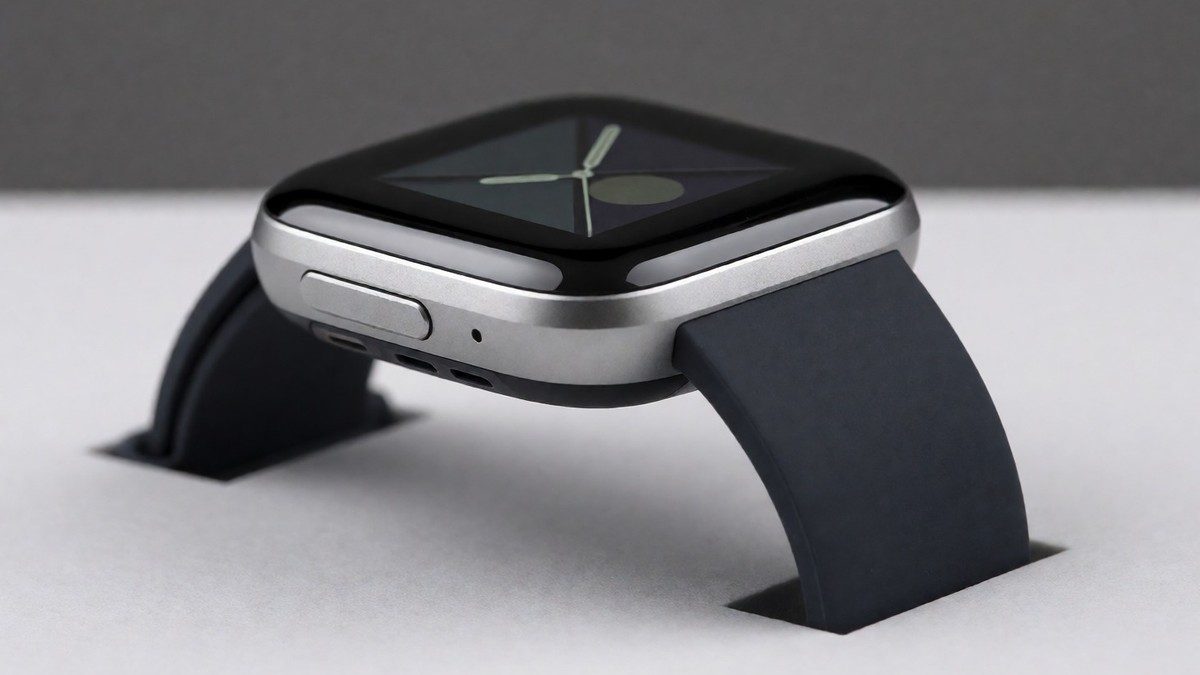
The Fitbit Air weighs 28 grams and provides an AMOLED panel that remains sharp in direct sunlight. The silicone band feels softer than anything in the Charge line. While Google Maps integration for routes works well, the software lacks the depth of the previous Fitbit OS. The improved ECG app is more accurate, but the AI Health Coach provides suggestions like prioritizing hydration without citing specific REM sleep data or personal baselines. One user described the AI’s tone as "smarmy, obsequious, condescending platitudes" delivered every day.
| Metric | Fitbit Air Value |
|---|---|
| Weight | 28 grams |
| Display Type | AMOLED |
| Battery (Always-on off) | 4.8 days average |
| Battery (Always-on on) | 2.5 to 3 days |
The Fitbit Air battery lasts 4.8 days with the always-on display off, but the battery life drops to 2.5 or 3 days if the user enables the always-on feature to maintain visibility. The removal of the detailed food logging interface and barcode sync functionality leaves users with a basic calculator-style tool. The replacement Mindfulness tile plays animations instead of using real-time heart rate data to pace breathing exercises. You already know the basics of how Fitbit used to function, so the loss of the web dashboard at fitbit.com matters. Does Google prioritize breadth of features over the depth that long-time users actually require?
Reliability and competition
Technical issues persist with device pairing and software synchronization. One user reported the app incorrectly showed them as awake for four hours during sleep despite feeling fully rested. Google Health rollout for Android accelerated because buyers of the Fitbit Air faced pairing hurdles. Many seniors report difficulties using the new digital health tools and portals. One 80-year-old user noted that the help line website would not load correctly. Customer service remains a significant pain point, as users struggle to reach human agents or receive unhelpful email instructions. Some users report their watches die after only two or three months of use, yet Google denies warranty replacements for these hardware failures. One customer received only a 35% discount after their two-month-old watch died. Additionally, Fitbit Sense 2 owners report software issues that technicians have not yet resolved. This reliability gap forces users to consider the Apple Watch Series 10 as a more dependable alternative for daily health tracking.