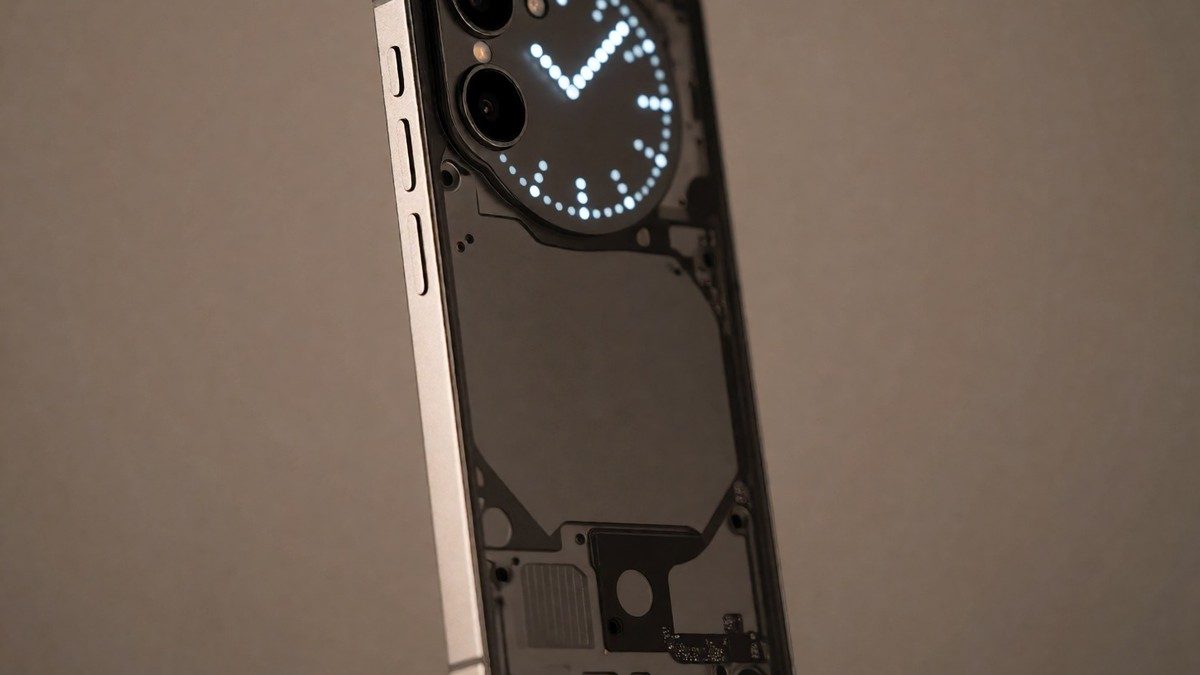
The Nothing Phone 3 abandons the old LED strips for a new Glyph Matrix. This small, circular display uses 489 individually addressable LEDs to show information. While CMF by Nothing cancelled its upcoming smartphone sequel due to memory price spikes, Nothing still pushed this flagship forward. I find the transition from lighting to a dot-matrix display quite stark. The device costs £800 in the U.K. and targets a different market than previous budget models. This decision follows a pattern where sub-brands face pressure from rising DRAM costs. The industry saw similar shifts where brands like iQOO or Realme faced consolidation or identity changes. CMF by Nothing recently chose to withhold its smartphone launch to maintain its reputation for high-value hardware rather than shipping a device that failed to offer a real jump forward.
Managing your new Glyph interface
You can use the Glyph Matrix for more than simple notifications. The interface provides a volume indicator, a battery indicator, and a stopwatch via a pressure-sensitive button on the rear. It even includes "Glyph Toys" like a digital clock, a stopwatch, or "Spin the Bottle" and "Magic 8 Ball" games. To customize your experience, download the Glyph Composer app from the Google Play Store to access new sounds from Sampha. I noticed the Glyph Matrix displays specific icons, such as a heart for loved ones or an email icon for new messages, through its 489 individually addressable LEDs. If the official app feels too restrictive, a web-based tool called the Better Nothing Glyph Composer provides more control and fine-tuning. However, the Phone 3a and 3a Pro users face a persistent bug where a light segment stays illuminated after a software update. This bug requires a device reboot to fix. If you use the Essential Recorder, you might see the light activate and refuse to turn off. The Glyph Interface lets you choose whether Flip to Glyph triggers Silent or Vibrate mode. The Glyph Composer 1.3.1 update provides five tones with an electronic R&B feel from Sampha. Users can play these tones in any pattern and record them to save as ringtones incorporating the LEDs. If the bug persists, some owners try disabling the Glyph progress integration specifically for Google Calendar.
Phone 3 hardware performance
The hardware provides a massive jump from the Phone 2. The Snapdragon 8s Gen 4 processor handles tasks better than the previous 8+ Gen 1 chip. The 5,150mAh battery lasts significantly longer than the Samsung S25 Ultra.
| Feature | Specification |
|---|---|
| Display | 6.7-inch 1.5K AMOLED |
| Brightness | 1,600 nits |
| Processor | Snapdragon 8s Gen 4 |
| Battery | 5,150mAh |
| Charging | 65W wired / 15W wireless |
| Main Camera | 50MP f/1.68 |
I prefer the Nothing Phone 3 macro mode over the Samsung S25 Ultra’s AI-altered images. The 50MP periscopic camera provides 3x optical and 6x digital zoom for clear close-ups, allowing you to capture fine details that the Samsung S25 Ultra’s AI-heavy processing might struggle to replicate in professional settings. The 6.7-inch display reaches 1,600 nits of brightness, making it easy to read in direct sunlight while you navigate through your various apps and settings during a bright afternoon. The 65W wired charging fills the battery in 54 minutes. The phone also includes an IP68 rating and uses Gorilla Glass Victus on the rear. The triple camera array includes a 50MP main sensor, a 50MP telephoto lens, and a 50MP ultrawide lens. The 1.5K resolution panel measures 2,800 by 1,260 pixels and uses a 30 to 120Hz adaptive refresh rate. The 1,000Hz touch sampling rate and 92.9% screen-to-body ratio create a nearly bezelless experience. The main 50MP sensor utilizes an f/1.68 aperture and includes PDAF and OIS. The 50MP ultrawide lens provides a 114-degree field of view. The periscopic camera handles 60x ultra hybrid zoom. The silicon-carbon battery tech helps the 5,150mAh cell last longer. The aluminum frame and Gorilla Glass 7i provide durability. Does the new dot-matrix aesthetic satisfy long-time fans of the original LED strips?