Scaling the mass market
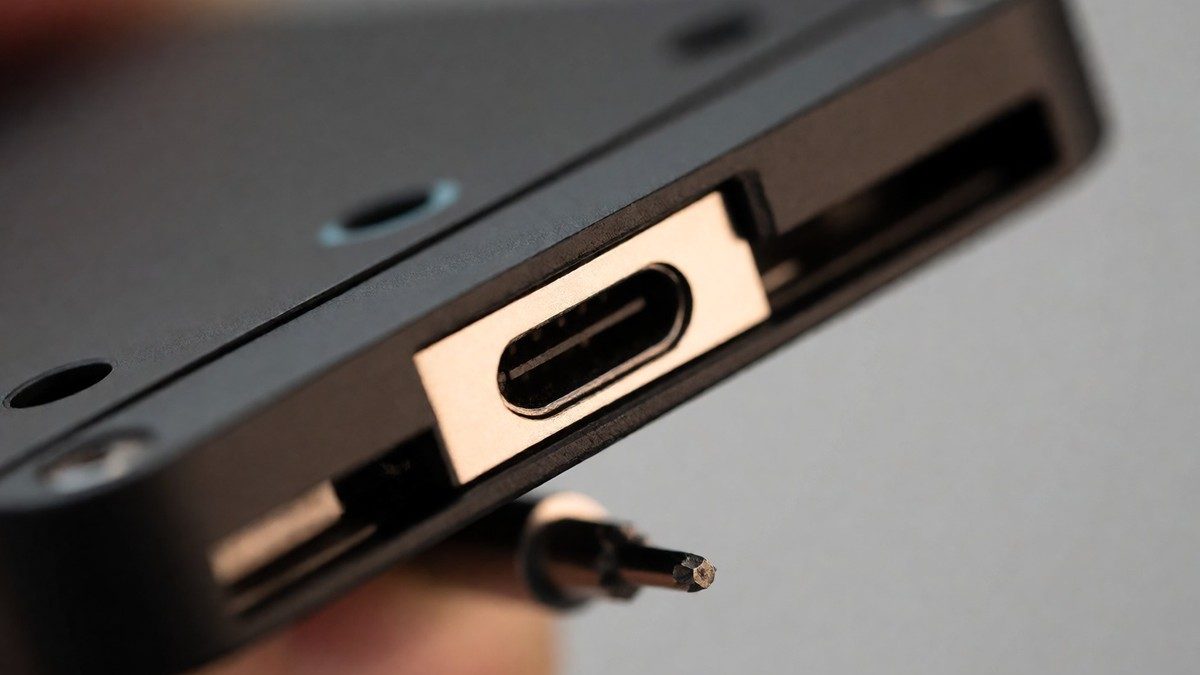
Fairphone released the FP6 and FP6+ this year to target the mass market and increase its market footprint. The FP6 uses a Snapdragon 7s Gen 3 processor with 8GB of RAM and a 120Hz OLED display that reaches 1400 nits of peak brightness. The FP6+ provides a 12GB RAM upgrade for an additional 20 CHF. To lower production costs, Fairphone included a USB-2.0 port instead of USB-3.0, which limits desktop mode functionality for Android users. This hardware decision creates friction for tech enthusiasts who need stable video output through cables. The FP6 battery may also lack the sturdiness of earlier models. Fairphone built the device cheaper to compete with major brands like Samsung and Apple. This shift towards a more affordable, albeit less advanced, device aims to reach users who value ethical production over extreme technical specifications. The FP6 uses a 50MP Sony main sensor with optical stabilization and a 13MP ultrawide lens, alongside a 32MP Samsung front sensor, while providing 256GB of storage that remains expandable via MicroSD. While the US market sees strong launch hype, American consumers often rely on multi-year insurance from carriers like Apple, Samsung, and Google to cover component replacements. You should consider if the USB-2.0 downgrade affects your long-term usage.
Samsung expands repair access
Samsung expanded its self-repair program to 43 countries this month, including nations like Albania, Austria, Switzerland, and many others, to provide more users with access to parts and manuals for devices like the Galaxy A05s. This expansion adds the mid-range Galaxy A05s to the list of available parts alongside the S23 flagship and the Z Fold5 foldable. Samsung’s current program includes several major markets like the US, UK, and Germany. This expansion directly pressures Fairphone’s market footprint in the sustainability space. While Samsung focuses on circularity through recycling and software updates, the consumer group U.S. PIRG gave Samsung a D grade for repairability. Samsung’s focus on recycling provides a different approach to longevity than Fairphone’s modular design. Apple also targets repairability, with the iPhone 16 using low-voltage electricity to remove the battery from its enclosure. Apple’s strategy includes improving support for third-party parts and using a Repair Assistant to configure used components. If Samsung continues to expand its parts availability, will Fairphone’s niche market shrink?
Hardware compatibility and longevity
Modular upgrades allow older devices to remain functional for longer periods. The Fairphone 3+ can adopt the 48-megapixel main sensor and 16-megapixel selfie sensor found in newer models. These modules use the same size to ensure compatibility. Fairphone also sells accessories like a dual-port 30W USB-C charger and screwdrivers for DIY repairs. Their audio lineup includes the Fairbuds and Fairbuds XL, which feature replaceable batteries and modular designs for internal cables and speakers. The Fairbuds XL provide up to 30 hours of listening time and use 40mm dynamic drivers. Regarding older hardware, Fairphone ended support for the Fairphone 1 as the company could no longer source spare parts or develop software updates for the aging chipset. For the Fairphone 3+, Android 13 security updates from Google will likely stop in early 2026. Users can still find parts like the camera and speaker modules through unofficial marketplaces or the official shop.
| Model | RAM Capacity | Processor | USB Standard |
|---|---|---|---|
| Fairphone 3+ | 4GB | Snapdragon 632 | N/A |
| Fairphone 6 | 8GB | Snapdragon 7s Gen 3 | USB-2.0 |
| Fairphone 6+ | 12GB | Snapdragon 7s Gen 3 | USB-2.0 |