High costs and aggressive trade-ins
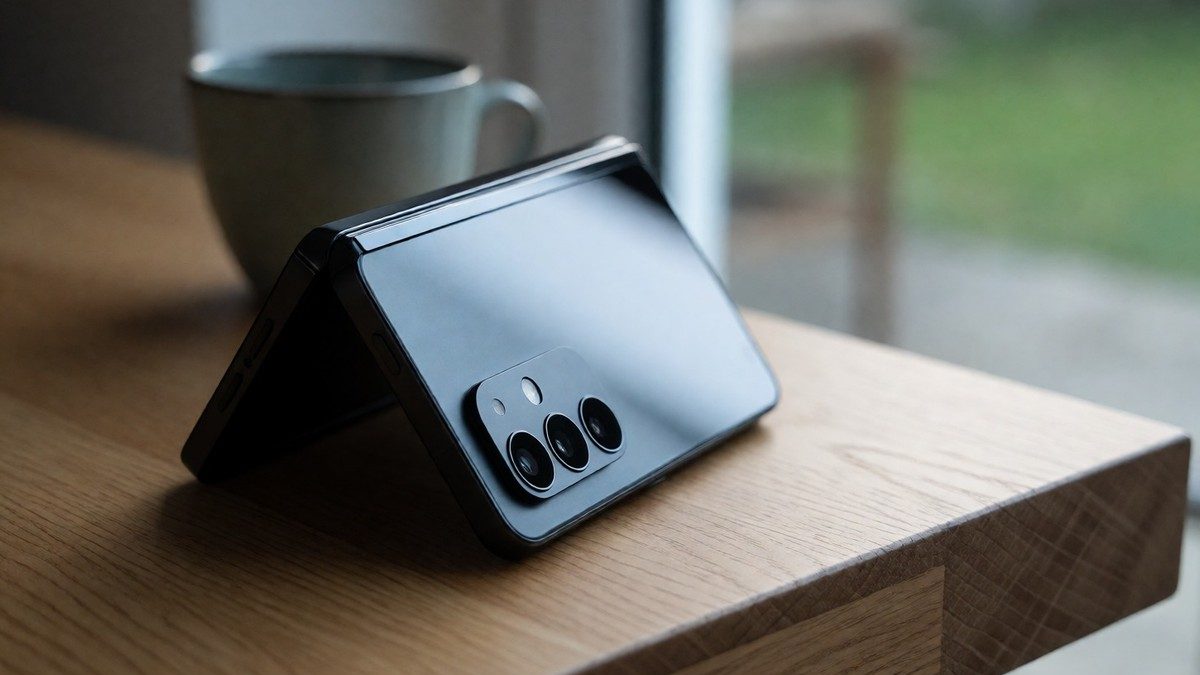
The Pixel 9 Pro Fold retails for $1,799, but Google attempts to lure iPhone users with aggressive trade-in values. Google provides $900 for an iPhone 14 Pro with 128GB of storage. This amount is only $100 less than a new iPhone 14 Pro. For an iPhone 13 Pro, Google provides $850. This exceeds the $320 Apple offers for that model. I find these steep trade-in amounts suggest a desperate attempt to capture market share from Apple users. The 256GB model saw prices drop to $1,384 during Prime Day 2025. This 6.3-inch phone uses a trio of rear camera lenses to capture photos. It includes a year of Gemini Advanced, now called Google AI Pro, for free. The matte glass back comes in Obsidian and Porcelain. The outer display is 6.3 inches with a 120Hz refresh rate. The 50MP main camera captures detailed shots, and the 48MP telephoto lens provides 5x zoom. The 6.3-inch phone is a handy option for certain apps that benefit from larger screens. The price is high.
Hardware bottlenecks and AI memory demand
AI demand from hyperscalers consumes 70% of global memory chip production by 2026. This reallocation shifts supply away from consumer electronics, where memory accounts for up to 30% of total smartphone costs. Growing component prices create headwinds for handset manufacturers. Widbush analyst Matt Bryson noted that DRAM contracts for the first quarter remain unsettled. The increasing demand for high-bandwidth memory in AI data centers forces manufacturers to shift production away from consumer electronics, which drives up the total cost of smartphones like the Pixel 9 Pro Fold. SpaceX reported on October 20, 2026, that it could not find available Google TPUs or Nvidia GB300, GB200, or H100 GPUs to meet inference workloads. The Pixel 9 Pro Fold uses the Tensor G4 chipset and 16GB of RAM to manage these AI tasks. Widbush notes that memory makers like Micron Technology and Sandisk benefit from stronger pricing. Nvidia also expands its partnership with Meta Platforms for Blackwell and Rubin processors. The speed of supply response determines which chipmakers suffer. IDC predicts a 5% dip in smartphone sales for 2026 because of these supply shifts. Higher memory costs weigh on handset demand.
Connectivity and display trade-offs
The 257g foldable weighs more than the 239g Galaxy Z Fold6. Its 8-inch inner display with 2076 x 2152 resolution hits 2700 nits of brightness, but the crease remains visible. The 4,800mAh battery lasts a full day with moderate use, though the 23 to 25 watt peak charging speed is slow. I find the 48MP telephoto sensor struggles in low light and the 12MP ultrawide lacks detail compared to the Pixel 9 Pro. The 50MP main sensor captures detailed shots, but the device gets hot during gaming. Connectivity issues plague the device, as the Samsung-made modem struggles to maintain signal and the Broadcom Wi-Fi performs poorly. The 6.3-inch outer display has a 20:9 aspect ratio, but the fingerprint reader placement makes one-handed use difficult. The hinge survived 200,000 folds, and a full repair via iFixit costs roughly $200. The device is IPX8 rated and includes Wi-Fi 7, Bluetooth 5.3, and the Titan M2 processor. The 30W wired charging reaches 50 percent charge in 30 minutes. Is the improved hinge enough to justify the high cost?