Hardware and competition
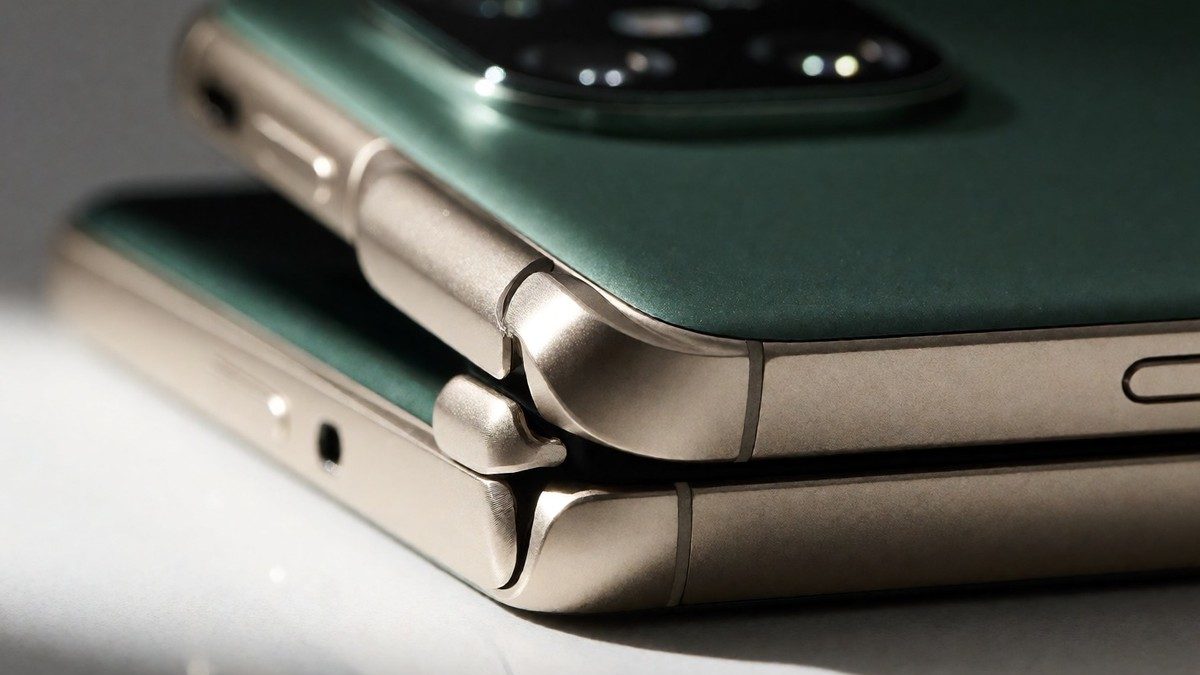
The Xiaomi Mix Flip 2 uses the Snapdragon 8 Elite chipset to compete against the Samsung Galaxy Z Flip 7. This device measures 7.57mm in thickness and weighs 199g. The IPX8 rating provides water resistance. Because the device uses the Snapdragon 8 Elite, performance levels compete with the flagship offerings from Samsung. You should keep the device away from dust because the IPX8 rating only covers water. The hardware uses a "three-level linkage + four-floating-plate" hinge structure to manage the folding mechanism. This hinge allows the device to withstand 200,000 folds while maintaining structural integrity. The 6.86-inch flexible glass display has a thickness of 50mm. The phone comes in green and gold shades. The 12GB LPDDR5X RAM assists with multitasking during heavy use. The device runs on HyperOS. This software provides connectivity between Xiaomi devices. The 1.5K resolution on the displays provides clarity for text and videos. The 32MP selfie camera handles front-facing photos.
The 5,165mAh battery supports 50W wireless charging and 67W wired charging to ensure the phone remains powered through heavy daily tasks and through long periods of constant mobile device activity.
Display and Leica optics
The October Leica quad-camera upgrade provides new photography options for the Mix Flip 2. The 50MP primary sensor includes optical image stabilization. This camera setup provides high-resolution images in various lighting conditions. The 6.86-inch 1.5K LTPO AMOLED inner display reaches 3,000 nits of peak brightness. The 4.01-inch 1.5K AMOLED cover screen allows for messaging and music control. The 120Hz refresh rate on both screens ensures smooth animations. The 1.5K resolution on the 6.86-inch panel provides a clear image for videos. The 120Hz refresh rate on the 4.01-inch panel helps with scrolling through widgets. The 32MP selfie camera captures front-facing shots. The 50MP primary sensor handles the main photography tasks.
The 120Hz refresh rate on both the inner and outer screens makes the interface feel smooth. The 3,000 nits brightness on the inner screen helps with visibility in sunlight. The 4.01-inch outer screen provides more utility for checking messages. The 6.86-inch inner screen is one of the taller flip displays. The flexible glass provides durability for the panel. The 50MP primary sensor works with Leica technology to produce sharp photos. The 32MP front camera is used for selfies and video calls. The 1.5K resolution ensures the text stays sharp.
Battery and comparison
The Mix Flip 2 offers a larger battery than the Samsung Galaxy Z Flip 5. Samsung’s Z Flip 5 carries a 3,700mAh battery, while the Mix Flip 2 uses a 5,165mAh cell. The Xiaomi battery is larger than the Samsung battery. This difference provides longer usage times for the Xiaomi device. The original Xiaomi Mix Flip had a 4,780mAh battery and used the Snapdragon 8 Gen 3. The Mix Flip 2 improves this with the 5,165mAh battery and the Snapdragon 8 Elite. The original model lacked wireless charging, but the Mix Flip 2 includes 50W wireless charging. The original model also lacked the IPX8 rating found on the Mix Flip 2.
| Spec | Value |
|---|---|
| Processor | Snapdragon 8 Elite |
| Battery | 5,165mAh |
| Charging | 67W wired / 50W wireless |
| Inner Display | 6.86-inch 1.5K LTPO AMOLED |
| Outer Display | 4.01-inch 1.5K AMOLED |
| Water Resistance | IPX8 |
| Weight | 199g |
| Thickness | 7.57mm |
The Mix Flip 2 competes with the Samsung Galaxy Z Flip 7. The Xiaomi device has a 5,165mAh battery. Samsung’s Galaxy Z Flip 5 has a 3,700mAh battery. The Mix Flip 2 has a 5,165mAh battery. The 7.57mm thickness makes the device slim. The 199g weight makes it easy to carry. The 12GB LPDDR5X RAM helps the Snapdragon 8 Elite processor. The 3,000 nits brightness on the inner screen helps with outdoor viewing. The 120Hz refresh rate handles high-speed movement. How will the software support compare to Samsung’s long-term updates?