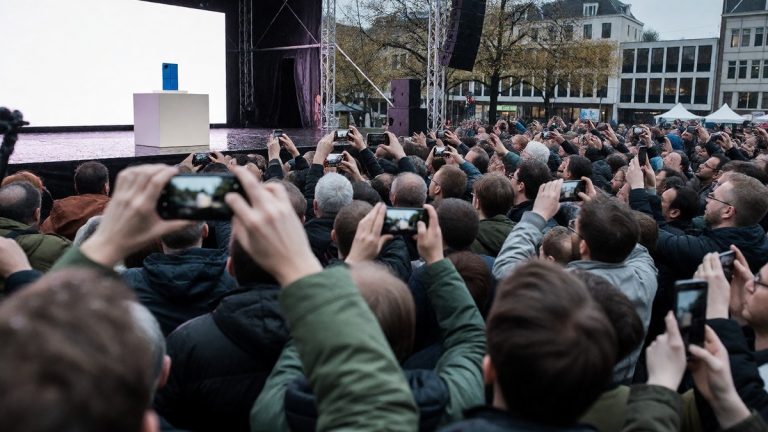

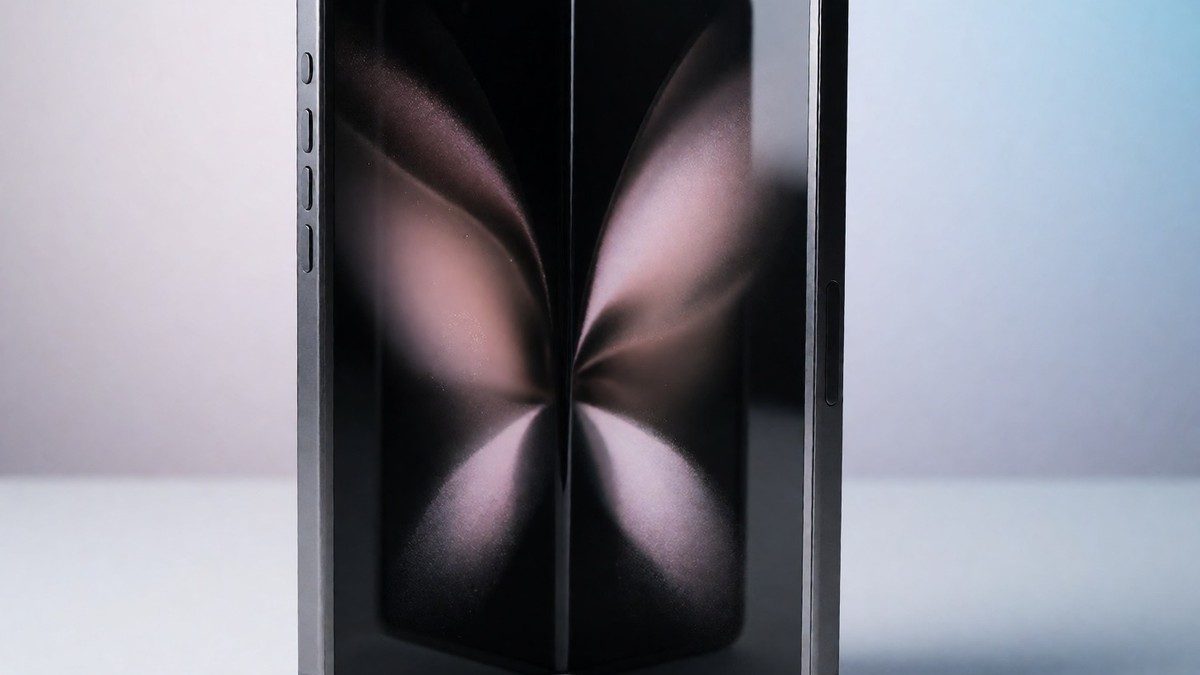
I watched the 2019 Galaxy Fold launch collapse into a PR disaster. Reviewers reported dead pixels and display failures within days of receiving the devices. Some reviewers even noted stuck pixels between the lock screen butterfly wings. Many users removed the protective layer, which Samsung said was a core component of the display structure. Samsung recalled all review units and delayed the April 26 launch until September 2019. The original 2019 device had a 7.3-inch Super AMOLED display and a 4.6-inch external panel. It used a Snapdragon 855 processor and 12GB of RAM. This device cost $1,980. I found the original hinge flimsy and awkward. The 2019 model featured a large notch at the top right of the screen to house the cameras. While the Huawei Mate X offered an outward-folding design, the Galaxy Fold used an inward-folding mechanism. The 2019 device also included 512GB of storage.
Improving the form factor
Samsung changed the naming to the Z series in 2020 with the Z Fold 2. This model provided a 7.6-inch inner display and a 6.2-inch cover screen. The hinge stayed at any angle, a feature Samsung called Flex Mode. In 2021, the Z Fold 3 introduced IPX8 water resistance and S Pen support. You already know the annual updates often feel incremental. The Z Fold 3 featured a 7.3-inch main display and a 6.2-inch cover screen with a 374 ppi density. The Z Fold 4, released in 2022, used a 7.6-inch/6.2-inch display and a 4,380mAh battery. The Z Fold 5, released in 2023, used a Snapdragon 8 Gen 2 chip and a 4,400mAh battery. The Z Fold 6, which arrived in July 2024, is a device with a 7.6-inch main display and a 6.3-inch cover display that reaches a peak brightness of 2,600 nits and includes a Snapdragon 8 Gen 3 chip. This 2024 model is equipped with a 4,400mAh battery and 12GB of RAM. The rear camera system includes a 50MP primary sensor, a 10MP telephoto lens, and a 12MP ultrawide lens. This model also uses 25W wired charging and 15W wireless charging. The Z Fold 6 display resolution is 1856×2160 pixels for the main screen and 968×2376 pixels for the cover screen. The screen density is 374 ppi for the main display and 410 ppi for the cover.
The 2026 flagship landscape
The Z Fold 8 Ultra is a device with an 8-inch internal display and a 6.5-inch external screen. This $2,099 model is powered by a Snapdragon 8 Elite Gen 5 processor and a 5000mAh battery. The triple-camera system on this device includes a 200MP main sensor, a 50MP secondary sensor, and a 10MP third sensor. This device also offers 12GB or 16GB of RAM and up to 1TB of storage. The Z Fold 8 wide is a model with a 7.6-inch inner display and a 5.5-inch external display. This wider model has a resolution of 2448×1828 for the internal screen and 1972×1248 for the external screen. The Z TriFold, released in 2025, is a phone with a 10-inch internal display and a 6.5-inch external display. The Z TriFold uses a Snapdragon 8 Gen 3 for Galaxy processor and a 5600mAh battery. This device also has a 2160×1584 resolution for the internal screen. The Z Fold 8 is a model with a Snapdragon 8 Elite processor and a 4800mAh battery. The Z Fold 8 Ultra provides 45W wired charging and 20W wireless charging. The Z Fold 8 Ultra screen density is 422 ppi.
| Model | Z Fold 8 Ultra | Z Fold 8 | Z TriFold |
|---|---|---|---|
| Internal Display | 8" | 7.6" | 10" |
| External Display | 6.5" | 5.5" | 6.5" |
| Processor | Snapdragon 8 Elite Gen 5 | Snapdragon 8 Elite | Snapdragon 8 Gen 3 |
| Battery | 5000 mAh | 4800 mAh | 5600 mAh |
Will the crease ever truly vanish?