
Heavy loads on the 3nm chip
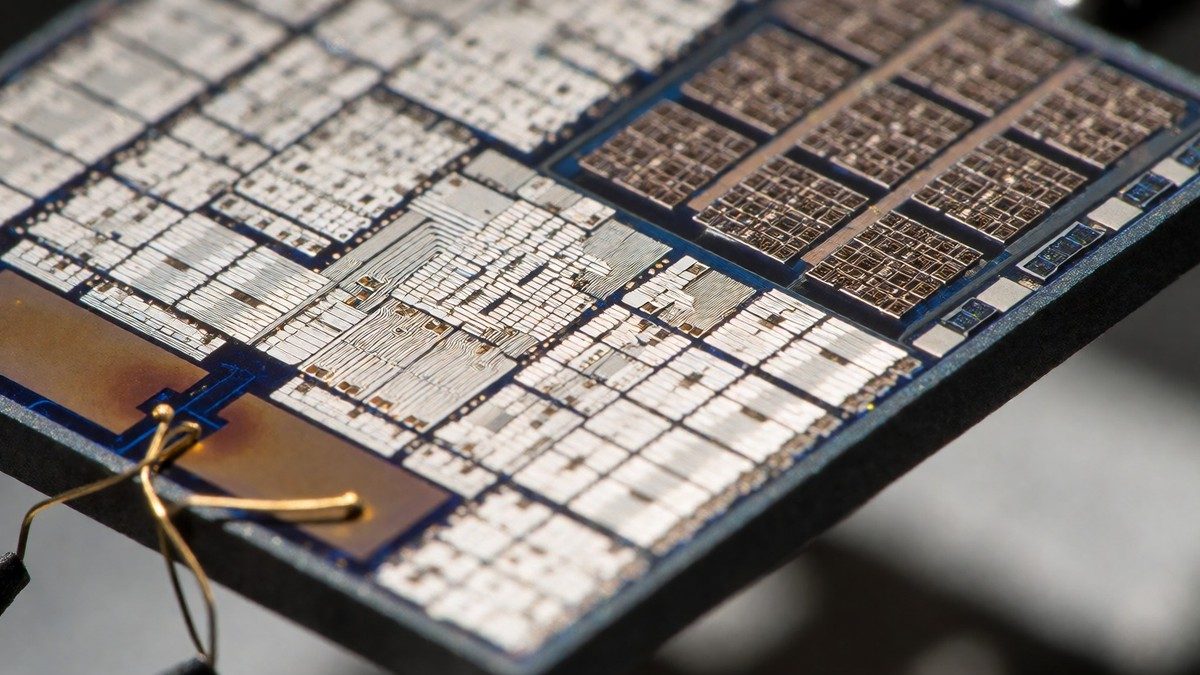
The A18 Pro utilizes a 3nm fabrication process and a 6-core GPU. I see the impact of the recent console port trend in the way the A18 Pro handles heavy graphics. The July 2026 market showed high demand for updated titles like Assassin’s Creed Black Flag Resynced and Call of Duty: Black Ops 2. These ports place immense pressure on mobile silicon. The A18 Pro includes a 16-core Neural Engine and a GPU clock of 1490 MHz. This hardware delivers 35 TOPS of NPU performance. I observed the chip running Genshin Impact at 75 fps on ultra settings. The A18 Pro uses 8 GB of LPDDR5X memory with 60 GB/s of bandwidth to support the 6-core GPU as it processes the heavy, high-resolution textures required for the most demanding console ports that arrived in July to maintain stability. The chip includes two performance cores at 4.05 GHz and four efficiency cores at 2.42 GHz. I find the single-core score of 3,500 on Geekbench 6 insufficient for the highest level of multitasking. The chip houses 20 billion transistors within a larger die area. This design shift helps on-device AI but creates challenges for energy efficiency and heat dissipation. The A18 Pro achieves an 8,200 point score in multi-core tests on Geekbench 6. This performance is essential for modern gaming.
Thermal management and throttling
High-performance demands like intensive 3D rendering cause the A18 Pro to heat up quickly. The system reduces brightness and performance to lower the temperature. This thermal throttling is a major problem for long gaming sessions. I found that playing demanding titles for 30 minutes causes the battery to drain faster. The system also slows charging if the temperature stays too high. High temperatures accelerate chemical aging of the lithium-ion battery. You should use an active cooling accessory if you want to maintain frame rates.
| Component | Specification |
|---|---|
| Fabrication | TSMC 3-Nanometer |
| Transistor Count | 20-Billion |
| GPU Cores | 6 |
| NPU Performance | 35 TOPS |
| Memory | 8 GB LPDDR5X |
| Bandwidth | 60 GB/s |
Does the internal metal substrate design mitigate this enough for the latest ports? I tested the A18 Pro on PUBG Mobile and saw 42 fps at ultra settings. This performance is significantly lower than the 116 fps I saw at low settings. The A18 Pro has a 10W sustained power limit. While the 64-bit memory bus helps, I find the A18 Pro delivers 2289 Gigaflops of FP32 performance. The 16-core Neural Engine provides 35 TOPS for AI tasks, but intensive play causes the A18 Pro heat to make the system throttle. I saw the battery drain faster when the phone got hot.
The performance gap
The A20 Pro arrived with a next-generation vapor chamber for better sustained performance. This thermal solution is absent in the A18 Pro. The A20 Pro produces higher sustained performance in comparison to the A18 Pro. The A18 Pro has a 10W sustained power limit. I noticed that the A18 Pro struggles to match the A20 Pro when playing for longer periods. The chip includes a 6-core CPU with two performance cores at 4.05 GHz and four efficiency cores at 2.42 GHz. I find the A18 Pro delivers 35 TOPS of NPU performance. The device has a 6-core GPU. This performance gap is clear when comparing the 35 TOPS of the A18 Pro to the improved capabilities of newer silicon. The chip has 6 cores in total including two Everest cores and four Sawtooth cores. The A18 Pro relies on the 3nm process and was announced in September 2024. The A18 Pro provides 2289 Gigaflops of FP32 performance and uses a 64-bit memory bus.