From 1997 to the Federal Ban
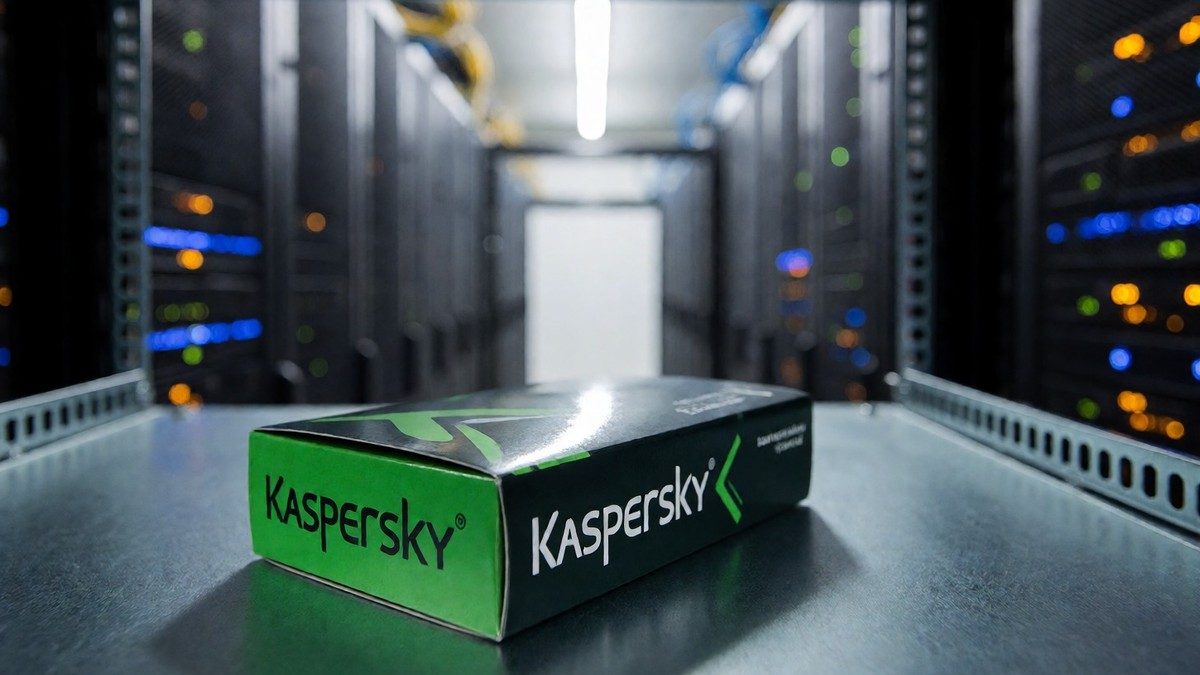
Eugene Kaspersky founded Kaspersky Lab in 1997. The company grew to protect hundreds of millions of individuals and businesses globally. Because it employs more than 4,000 people, the company holds 5.5 percent of the global anti-malware market. It provides security solutions for consumers, corporations, and partners like Microsoft and IBM. In 2017, the Department of Homeland Security ordered federal agencies to remove Kaspersky products from their systems. Congress later codified this directive into law through the National Defense Authorization Act. The Department of Commerce determined that the risks to U.S. national security stem not from the effectiveness of the products at identifying malware but from whether they can be used strategically to cause harm. I view this transition as a result of heightened suspicion regarding Russian technology. The FBI and other investigators scrutinized the firm for potential ties to the Kremlin. Acting Secretary Elaine C. Duke instructed agencies to rid their systems of Kaspersky products within 90 days. The General Services Administration confirmed it removed the company from approved vendor lists to protect the integrity of government networks. This decision followed concerns regarding the 2016 presidential election. The company rebranded by removing the word Lab from its name to become simply Kaspersky. You might wonder how a global cybersecurity leader becomes a primary target for a federal ban.
Espionage Claims and the NSA Incident
The U.S. government maintains that Russian law could compel Kaspersky to assist in espionage. Investigators claim the software could allow Russian intelligence to access sensitive data on protected computers. This concern grew following the Russian hacking of the 2016 presidential election. In 2015, Russian state-backed hackers used Kaspersky software to identify tools used by the National Security Agency and then stole them from the personal computer of a contractor. Kaspersky reported that the computer had a malware infection known as the Mokes backdoor. The company stated it deleted all classified documents once an analyst found them. They also claimed the user installed a pirated version of Microsoft Office, which facilitated the infection. The malware, also known as Smoke Loader, required the user to disable the antivirus software for execution. The Trojan communicated with command and control servers set up by a Chinese individual using the email address [email protected]. The company’s antivirus software discovered the confidential NSA files as part of its normal functionality. The company previously exposed the elite Equation Group hacking group. In 2019, the Associated Press found that an undercover operative had targeted cybersecurity experts to gather intelligence about critics of the company.
| Detail | Data |
|---|---|
| Global anti-malware market share | 5.5 percent |
| Retail sales ban start | July 20 |
| Software update ban start | September 29 |
| Federal contract revenue loss | Under $54,000 |
Retail Bans and Legal Rulings
The Commerce Department ban prohibits the sale of Kaspersky products to U.S. persons. Best Buy and Office Depot stopped selling the software following these directives. The ban also prevents the company from providing security updates to its customers. I find the total cessation of software updates to be a devastating blow to product utility. The ban on sales began on July 20, while the restriction on updates starts on September 29. A U.S. District Court judge dismissed lawsuits from Kaspersky, stating that government actions to protect national assets are legal. The company denies all allegations of improper ties to the Kremlin. Dmitry Peskov, a spokesman for the Russian President, said the move was designed to cripple the company’s competitive advantage. The company relocated certain data centers and established a transparency center in Switzerland to improve trust. The company’s spokesperson, Anton Shingarov, called the ban a "part of a geopolitical game" and said there was no proof of improper ties. The company argued in court that the loss of federal contracts, totaling less than $54,000, was a secondary effect of national security needs. The company also claimed the ban was an unconstitutional bill of attainder. Will the company regain its standing in the Western market?