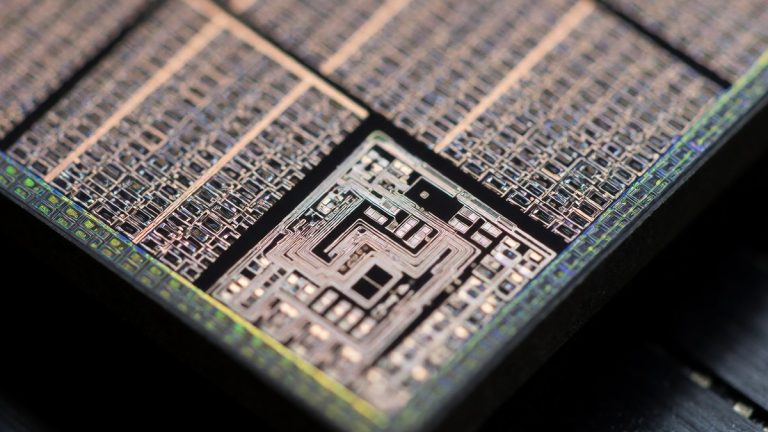
The Pixel 10a relies on the Tensor G4 chipset instead of the Tensor G5 found in the flagship Pixel 10. This processor pairs with 8GB of RAM and provides 128GB or 256GB of storage. I find the 8GB RAM limit particularly problematic for future AI capabilities. The decision to reuse the Tensor G4 instead of upgrading to the TSMC-manufactured Tensor G5 means that Pixel 10a users remain stuck with older performance and efficiency standards from the moment they power on the phone. The camera hardware remains identical to the Pixel 9a, using a 48MP main lens with an f/1.7 aperture and a 13MP ultra-wide lens with an f/2.2 aperture. This main lens produces 12MP binned photos, while the ultra-wide lens has an f/2.2 aperture and a 120-degree field of view. You already know that budget Pixels always compromise on the chipset, but the 10a takes it further.
The 10a has a 6.3-inch Actua display with a 2,424 by 1,080 resolution and a 422 PPI density. It uses Gorilla Glass 7i for the screen, which is tougher than the Gorilla Glass 3 found on the 9a. The 10a has 3,000 nits of peak brightness, which is an 11% improvement over the 2,700 nits on the 9a.
| Spec | Pixel 10a |
|---|---|
| Chipset | Tensor G4 |
| RAM | 8GB |
| Battery | 5,100mAh |
| Wired Charging | 30W |
| Wireless Charging | 10W |
| Peak Brightness | 3,000 nits |
Battery drain and connectivity concerns
The April 2026 update caused a severe battery drain issue across the Pixel lineup. Users report that the phone drains power even in airplane mode, and some saw battery life cut in half. The Pixel 10a has a 5,100mAh battery and 30W wired charging. I think the new Exynos 5400 modem is a decent step for satellite emergency SOS, but it does not fix the connectivity complaints that plagued earlier models.
The 6.3-inch display has a 20:9 aspect ratio and provides 30 hours of normal use. The 10a also has 120 hours of battery life in battery saver mode. I find the 10W wireless charging speed disappointing when compared to other Android phones. Will Google fix the idle drain before the next major update?
Manufacturing shifts in India
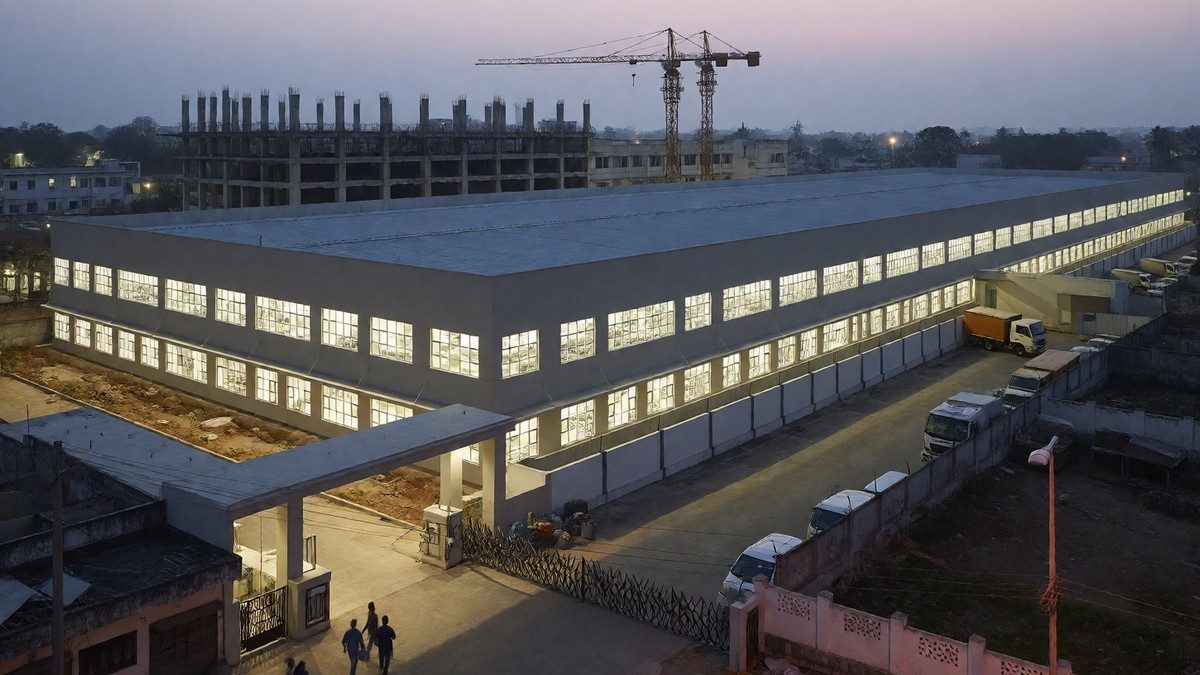
Google moves manufacturing toward India to diversify its supply chain. Apple already uses India for production through partners like Foxconn and Tata Group. Wistron, which sold its unit to Tata, faced labor unrest and unpaid wage protests in 2020. These protests caused 430 crore rupees in damages to the Kolar facility.
The industry sees these shifts as a way to reduce dependency on China. India provides production-linked incentive schemes to attract manufacturers. I find the Pixel 10a a disappointing step backward for anyone wanting a future-proof device.