Hardware specifications of the Mate 70 Pro
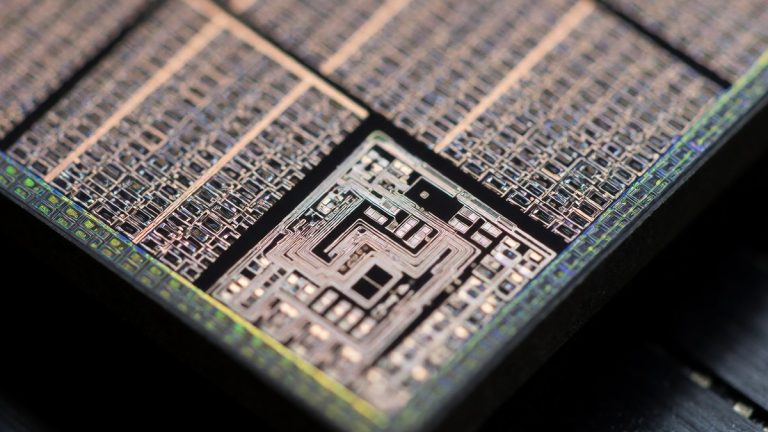
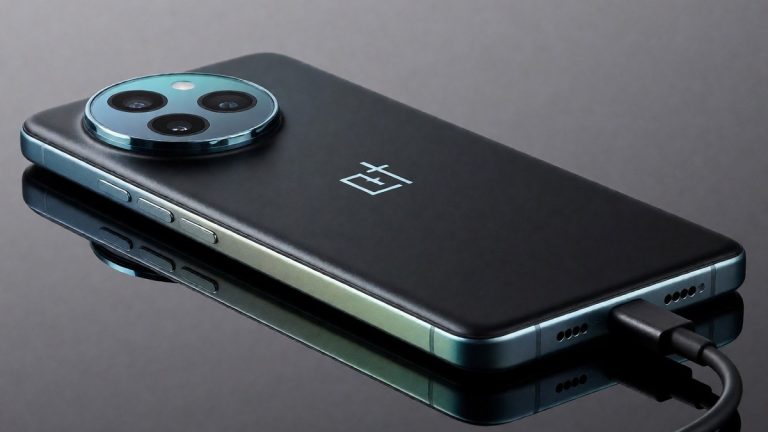
The Huawei Mate 70 Pro uses the HiSilicon Kirin 9020 system-on-chip. This device provides 12GB or 16GB of LPDDR5 RAM. It includes a 6.9-inch panel with 1316 x 2832 px resolution. The 5,500mAh battery supports 100W wired charging and 80W wireless charging. The camera system includes a 50 MP wide lens, a 12 MP periscope telephoto lens, and a 40 MP ultrawide lens.
| Spec | Mate 70 Pro Value |
|---|---|
| System-on-chip | HiSilicon Kirin 9020 |
| RAM | 12GB / 16GB (LPDDR5) |
| Battery | 5,500mAh |
| Wired Charging | 100W |
| Wireless Charging | 80W |
| Display | 6.9 inch (1316 x 2832 px) |
Geopolitical restrictions and security disputes
Huawei’s history of legal defeats regarding intellectual property theft undermines its reliability in international markets. In 2003, Cisco investigated Huawei after finding typos from Cisco technical manuals in Huawei products. Ren Zhengfei called the evidence a coincidence, but Huawei removed the contested code, manuals, and command-line interfaces. Huawei’s partner 3Com noted that a court order prevented Cisco from bringing another case against Huawei for the same or substantially similar claims. In 2014, T-Mobile alleged that Huawei employees snuck into a lab to steal parts of its Tappy testing robot. A jury awarded $4.8 million in damages for a breach of supplier contract, though it did not find evidence of espionage. T-Mobile stopped using Huawei as a supplier following the incident. In 2004, an employee took photographs of Fujitsu networking equipment at a trade show and was later dismissed after officials confiscated a memory card and hand-drawn diagrams. The employee claimed he did not know taking photographs was forbidden. CNEX Labs also accused a Huawei executive of attempting to steal solid-state drive technology with the help of a Chinese university.
The US Department of Commerce added Huawei to its Entity List in May 2019, a decision that restricts US companies from doing business with the firm without government permission. The US FCC also placed Huawei on its Covered List in March 2021. These restrictions target telecommunications equipment and services rather than all consumer products. You should understand that consumer phone availability differs from infrastructure access. The US government uses these tools to manage security risks in the information and communications technology supply chain. The US Department of Justice charged Huawei and its chief financial officer with bank fraud and stealing trade secrets in a 2019 indictment. This indictment included charges of conspiracy, money laundering, and flouting US sanctions on Iran.
National security policies and 5G rollouts
Many governments restrict Huawei from their 5G infrastructure. The UK government prohibited the installation of all new Huawei equipment in 5G networks and requires that all such equipment be removed from the networks by the end of 2027. The UK’s 5G core required the removal of all Huawei equipment by the end of 2023. The UK’s oversight board includes members of the National Cyber Security Centre and GCHQ. Canada requires the removal of existing 5G equipment and managed services by June 28, 2024, and requires the removal of 4G equipment by December 31, 2027. Sweden requires a phase-out of Huawei products in central 5G functions by January 1, 2025. Romania rejected Huawei’s application for 5G infrastructure authorization in February 2024.
Will the escalating trade tensions eventually halt the production of these high-end devices? Australia excluded Huawei from its 5G rollout in 2018. Germany plans to replace critical components in 5G core networks by the end of 2026. France requires mobile operators to get approval for using equipment from high-risk suppliers. French authorities told operators they cannot renew licenses for Huawei gear once they expire. Romania rejected Huawei’s application based on national security and defense assessments. India also restricted Huawei’s participation in parts of its telecommunications ecosystem. Canada’s immigration department planned to deny permanent resident visas to three Chinese citizens working for Huawei over concerns about espionage.