From flagship killer to Oppo integration
Pete Lau and Carl Pei founded OnePlus in December 2013 as an Oppo subsidiary. The company launched its first product, the OnePlus One, in April 2014. This device cost between $299 and $349. It targeted high-end users by providing competitive performance at a lower price. The company used an invite-only system to manage limited production and build hype. This method helped the brand build a vocal fan base through scarcity. The marketing budget for the launch was only $300. OnePlus used the "Smash the Past" campaign to encourage users to record videos of themselves destroying competitor phones. This campaign drew 140,000 entries and allowed winners to purchase a 16GB OnePlus One for only $1. The company faced intense criticism when its "Ladies First" promotion appeared to promote gender stereotypes, and OnePlus pulled the contest only hours after the announcement was made to the public. The OnePlus One sold 1.5 million units in under 12 months and shipped with Cyanogen OS. This software included persistent voice commands and gestures. It also provided users with wider customization options and an audio equalizer.
The rise of Nothing and market shifts
The smartphone market changed when Carl Pei left OnePlus in 2020 to found Nothing. Nothing competes by focusing on design-centric hardware and a transparent aesthetic. The Nothing Phone 1 uses a Glyph Interface consisting of LED lights to notify users of messages and calls. OnePlus lost its status as a growing upstart when its products became more similar to Oppo designs. The brand’s US market share peaked at 1.8 percent in 2021 but dropped to 0.1 percent by 2025. T-Mobile stopped carrying OnePlus devices in 2023, which removed a major sales channel. Oppo is now pulling OnePlus out of North America and Europe to integrate its features into the parent brand. This strategic adjustment follows Pete Lau’s return to Oppo as Chief Product Officer. You already know that carrier deals define success in the US. Nothing hardware took the place of OnePlus on Best Buy shelves when the brand exited the retailer. In the second quarter of 2026, Samsung held a 22.7 percent market share while Apple held 20.2 percent. Android brands faced a 24.3 percent decline in 2026 as vendors retreated from entry-level tiers. Pei noted that the market is shrinking because there is no reason for consumers to buy new products. He views his new company as a design-led alternative to mainstream brands. How can a brand recover once it loses its distinct hardware identity?
AI integration and the OnePlus 15
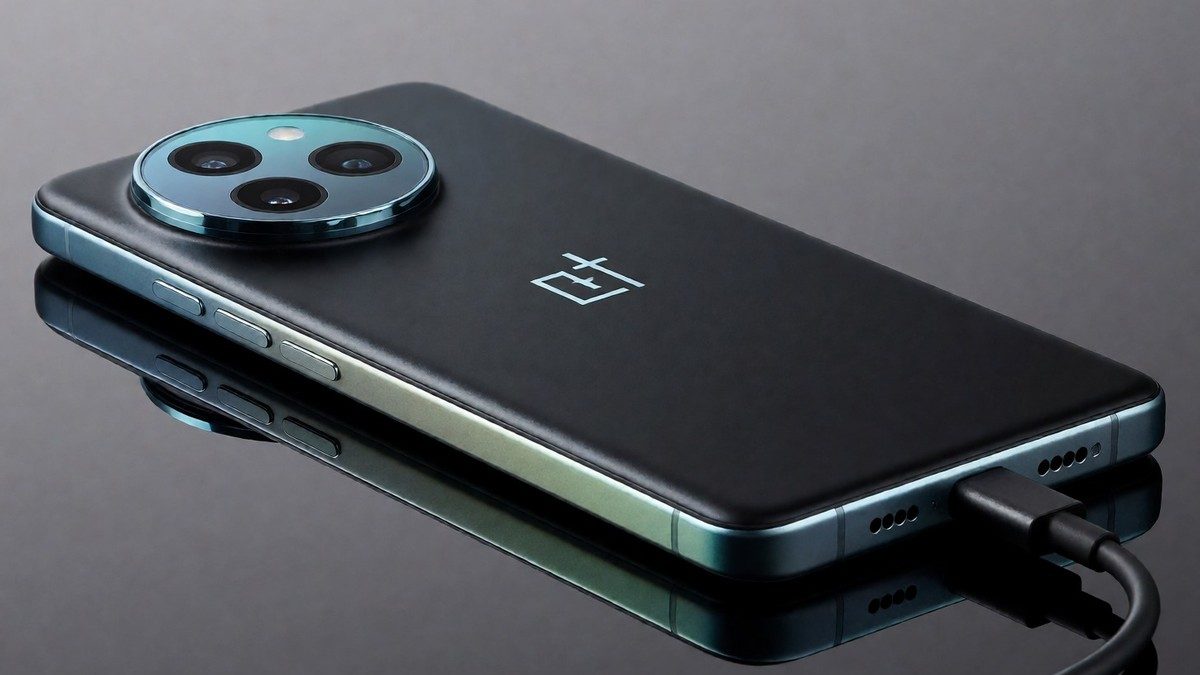
OnePlus 15 users utilize OxygenOS 16, which centers on an AI-first design philosophy. This operating system integrates Google Gemini into a system called Plus Mind. This tool uses Mind Space to store and organize user data like a digital bank. The software includes AI VoiceScribe for transcriptions and AI Translation for text and images, while the OnePlus 15 uses a Snapdragon 8 Elite Gen 5 processor and a 7,300mAh battery. It also uses 120W SUPERVOOC charging to reach full capacity quickly. The industry faces a memory shortage that drives up prices for components like NAND and DRAM. Manufacturers pass these costs to consumers. This ends the era of cheap smartphones. The O+ Connect feature allows for screen mirroring between OnePlus devices and Macs. It also supports rapid data transfer with iPhones. It uses a tool similar to NameDrop. AI-powered tools include AI Perfect Shot, AI Unblur, and the Reflection Eraser. Users can also use YumSee to generate pictures of dishes from menu scans or Party Up to make short videos from photos. The update also provides AI Search to scan Mind Space through conversational queries. The screen has an 1,800 nit brightness for outdoor viewing and uses LTPO technology to lower the refresh rate. This helps reduce power use during low activity. The beta program for older devices opens on October 17.
| Feature | Specification |
|---|---|
| Processor | Snapdragon 8 Elite Gen 5 |
| Display | 6.78-inch LTPO, 2772 x 1272 |
| Battery | 7,300mAh |
| Charging | 120W wired, 50W wireless |
| Price (US) | $899.99 to $999.99 |