Market shifts and K80 success
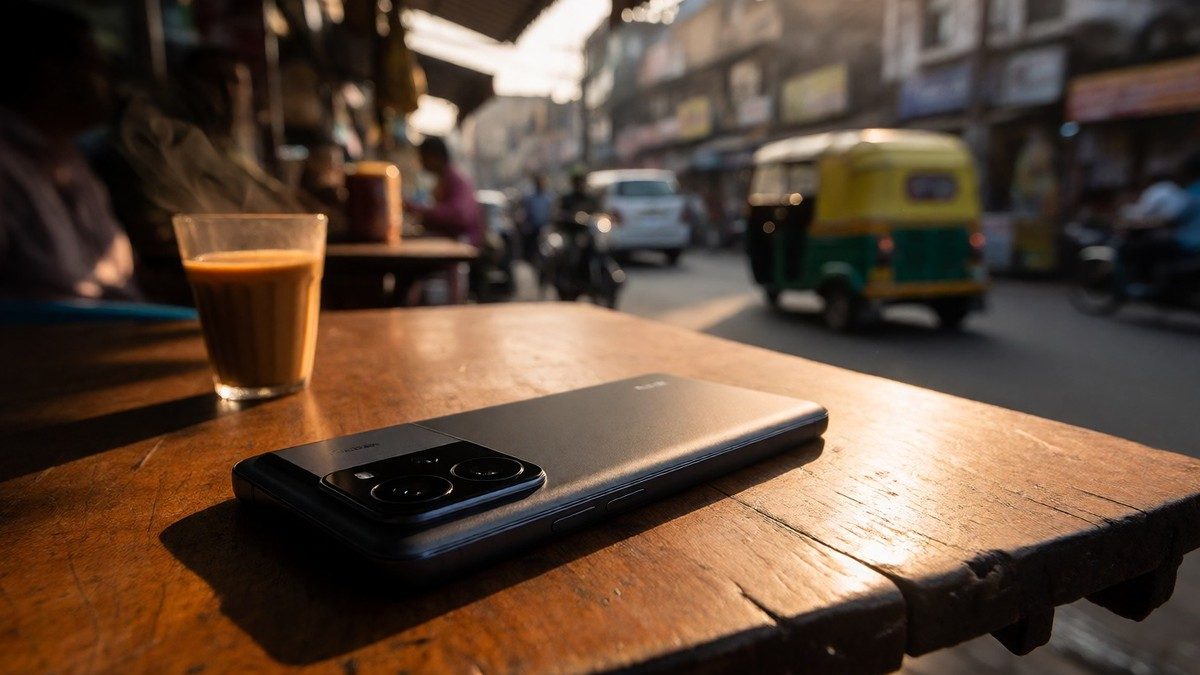
Xiaomi sold 3.6 million Redmi K80 series units within 100 days of launch, according to a Weibo post. This success contradicts the 26.4% year-over-year decline in Xiaomi shipments during the second quarter of 2026. In that quarter, Xiaomi shipments fell to 31.2 million units from 42.4 million in the previous year. The total worldwide smartphone market shrank 16.7% this year. I find the gap between the Redmi K80’s success and the brand’s overall shipment decline quite jarring. In India, the market saw a 4.1% shipment decline in the first quarter of 2026, even though the market value rose 5.8% due to higher prices. The company must navigate a difficult market where the mass-budget segment grew 10% while the entry-level tier below 100 dollars collapsed by 59% because rising component costs forced vendors to shift toward a higher-end product mix instead of low-end models. The memory shortage, which started in late 2025, hits the market hard in the second half of 2026. NAND and DRAM costs rose over 300% YoY. The mass-budget segment in India grew from 39% to 45% of the market. The entry-premium segment in India dropped 3% YoY, and the premium segment grew 32% YoY.
HyperOS 2.0 rollout and EOL risks
HyperOS 2.0 reached 116 devices across eight regions in just six months. The update includes the Xiaomi 14, Redmi Note 13 series, and POCO F6. However, software bugs persist, such as the Spotify crash affecting many devices and the NFC failure on the Redmi Note 13 Pro+ 5G. I think the software lifecycle management remains a mess for budget owners. The Xiaomi 12 and Xiaomi 12 Pro receive their final security updates in the first quarter of 2026. The Redmi Note 12 5G loses security updates in March 2026, while the Redmi Note 12 4G variant loses them in April. The POCO F5 reaches its end-of-life in May 2026. The Xiaomi 12T and Redmi Note 12 5G reach their end-of-life in 2026. The Redmi Note 12 Pro+ 5G and Redmi Note 12 Pro 5G reach their end-of-life in October 2026. The POCO X5 Pro 5G ends its support in the first quarter. Users also reported frame drops when taking video on the Redmi Note 13 Pro 5G and widevine security issues on the Xiaomi Pad 6. Additionally, the Xiaomi 12X and 12 Lite reach their end-of-life in March 2026. You should consider how these expiring security patches affect your device’s long-term safety.
Hardware specs and software limits
The Redmi K80 series provides two distinct hardware paths for users.
| Model | Chipset | Battery Capacity |
|---|---|---|
| Redmi K80 | Snapdragon 8 Gen 3 | 6,550 mAh |
| Redmi K80 Pro | Snapdragon 8 Elite | 6,000 mAh |
The Redmi K80 Pro uses the Snapdragon 8 Elite chipset, while the standard K80 relies on the Snapdragon 8 Gen 3, and Xiaomi is also rolling out HyperOS 2.2 to nine flagship devices, including the Xiaomi 15 Ultra and the Redmi K80 Pro. This newer version, based on Android 15, brings improvements to UI animations and adds the "Little Love Memory" AI feature. Some devices, however, have not seen an update for 73 days, such as the Xiaomi Pad 7 Pro. The Xiaomi 12T will receive HyperOS 2 with Android 15 before its support ends in October 2026. HyperOS 2.0 brings a new multitasking menu. The update also includes Game Turbo 6.0 and smoother animations to improve the user experience. The new Recent Apps Menu makes it easier to toggle between apps, while the AI-powered editor pushes the limits of image processing. Can Xiaomi maintain this rollout pace across all its global regions?