
The Sensor and Imaging Shift
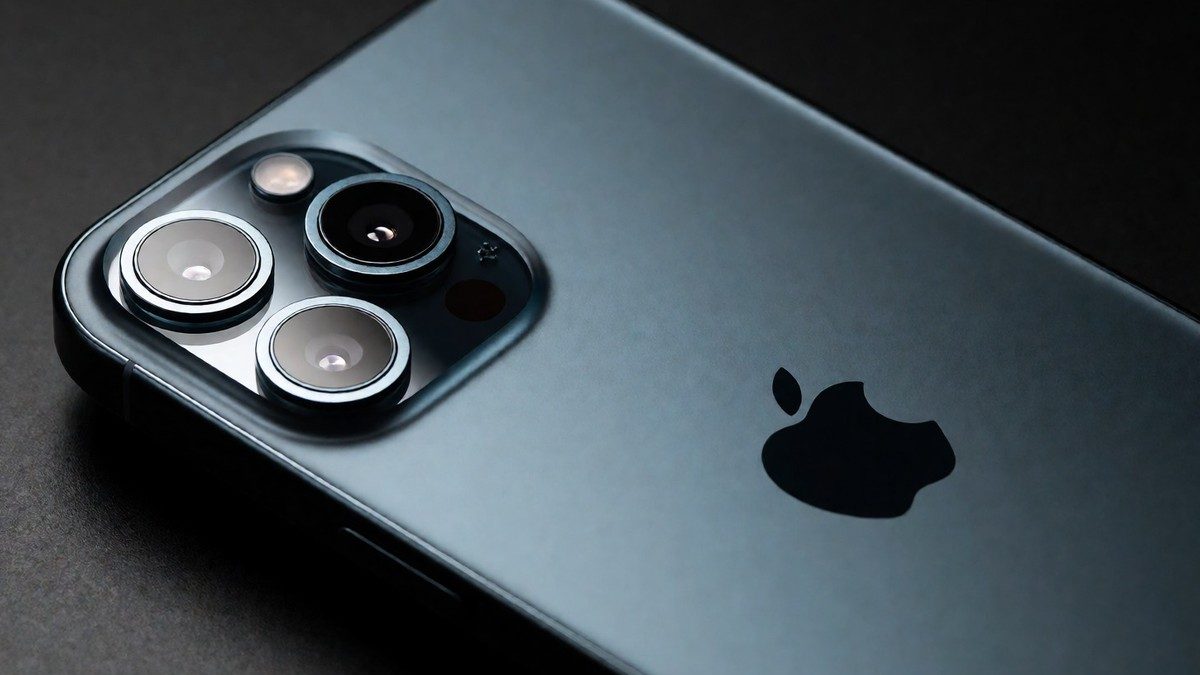
The Sony LYT-900 1-inch sensor produces 50-megapixel images with a 1.6 um subpixel size. Vivo uses this hardware in its X100 Pro+ camera pipeline. MediaTek changes the imaging strategy with the Dimensity 9400. The Imagiq 1090 ISP handles 8K60 video recording and 8K30 video encode. It also supports up to 320MP camera sensors. The Dimensity 9400 delivers HDR video recording throughout the entire zoom range. MediaTek’s Smooth Zoom technology prevents jumps when switching between wide, standard, and telephoto lenses. This technology mimics a DSLR experience during focal length transitions. The Dimensity 9400 enables 100x zoom using generative AI corrective fill to provide sharp details in images, which effectively prevents the fuzzy, pixelated results that used to plague high-magnification mobile photography in many older devices. The Vivo X200 Pro uses a 200MP ZEISS APO telephoto camera. You know the importance of sensor hardware, so I will skip the explanation of how pixel density affects light capture.
Architecture and AI
The Dimensity 9400 uses a second-generation all-big-core design built on TSMC’s 3nm process. It integrates one Arm Cortex-X925 core with three Cortex-X4 cores and four Cortex-A720 cores. This architecture delivers 35% faster single-core performance and 28% faster multi-core performance than the Dimensity 9300. The 12-core Arm Immortalis-G925 GPU delivers PC-grade ray tracing and supports high-quality gaming through MediaTek Adaptive Gaming Technology 3.0 for sustained FPS. The MediaTek NPU 890 supports on-device video generation, LoRA training, AI agents, and the Diffusion Transformer (DiT) model. The chip supports Llama 7B/8B and Gemini Nano models for on-device AI. The Dimensity 9400 delivers 40% more power efficiency than its predecessor through LPDDR5X memory with 10667 Mbps frequency, 12MB L3 cache, and 10MB SLC. The Dimensity 9400 delivers a combined workload score of approximately 2.9 million points. This beats the Snapdragon 8 Elite score of 2.75 million points.
Connectivity and Comparison
The Dimensity 9400 delivers 7.3Gbps data rates via Wi-Fi 7. This exceeds the 5.8Gbps peak speed of the Snapdragon 8 Elite. In GPU-heavy tests, the Dimensity 9400 edges out the Snapdragon with a score 7% to 8% higher. I find the Dimensity 9400 inferior for pure CPU tasks because it scores 2,792 in single-core tests against the Snapdragon 8 Elite score of 3,033. The Snapdragon 8 Elite supports 320MP camera resolution, while the Dimensity 9400 handles up to 320MP according to manufacturer specifications. The Dimensity 9400 uses 4nm Wi-Fi/Bluetooth combo technology that provides 7.3Gbps data rates and 50% lower power consumption. The 3GPP Release-17 5G modem provides up to 7Gbps sub-6GHz performance. The Dimensity 9400 supports tri-fold smartphones and provides 5G/4G Dual SIM Dual Active capabilities. The Dimensity 9400 memory provides more bandwidth for the data-hungry CPU, GPU, and NPU. I find the Dimensity 9400 the better choice for users prioritizing system performance and graphics.
| Feature | Dimensity 9400 | Snapdragon 8 Elite |
|---|---|---|
| Process Node | 3nm | 3nm |
| Single-Core | 2,792 | 3,033 |
| Multi-Core | 8,983 | 9,271 |
| Combined Workload | 2.9M | 2.75M |
| Max Camera | 320MP | 320MP |
| Wi-Fi Peak | 7.3Gbps | 5.8Gbps |
Will the Dimensity 9500 make the 9400 obsolete for Vivo’s next line?