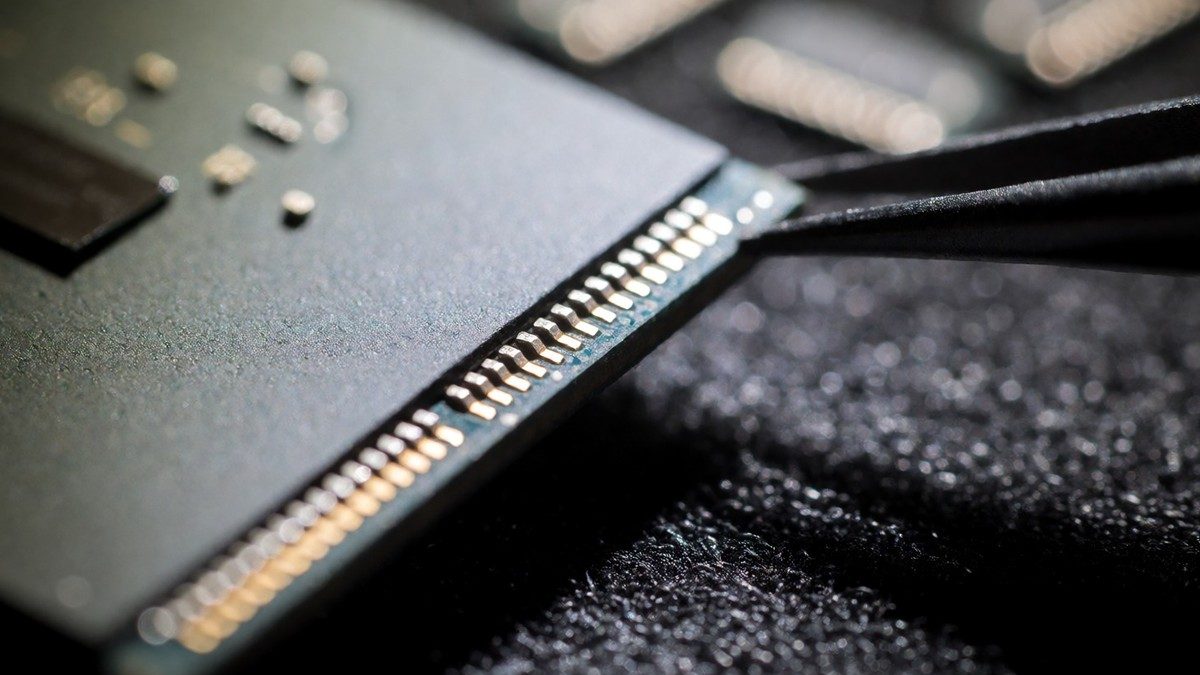
Memory prices surged because Samsung, SK Hynix, and Micron redirected 80% of production capacity toward HBM memory for NVIDIA and AMD AI accelerators. This shift caused 4GB LPDDR4X chip prices to rise from $7 to $30 since early 2025. Component inventories fell from eight weeks to just three or four weeks. Contract prices for DRAM and NAND rose by 30% to 50% in Q4. TrendForce analysts predict retail prices for budget smartphones under $300 will increase 10% to 20% compared to pre-crisis levels. The memory crisis in 2026 forced manufacturers to choose between increasing device prices by 30 percent or cutting technical specifications because the high demand for AI infrastructure captured most of the available chip supply. I see manufacturers like Xiaomi struggle to maintain the "more performance for less money" model. LPDDR4X is the poverty standard because it is three to four times cheaper than LPDDR5X. Samsung and SK Hynix are discontinuing DDR4 production in 2026, which makes the simplest models using older memory more expensive. The 2025-2026 memory crisis will hit the budget segment hardest as chip inventories shrink.
Nothing Phone 3a hardware specs
The Nothing Phone 3a uses the Snapdragon 7s Gen 3 chipset. The Google Pixel 8a uses the Google Tensor G3. The Nothing Phone 3a has 8GB of RAM and 128GB of UFS 2.2 storage, while the Pixel 8a has 8GB of RAM and 256GB of storage. I find the Nothing Phone 3a charging much faster because it supports 50W charging. The Pixel 8a supports only 18W charging. The Nothing Phone 3a display reaches 3000 nits of peak brightness, while the Pixel 8a reaches 2000 nits. The Nothing Phone 3a has a 6.77-inch AMOLED screen. The Pixel 8a has a 6.1-inch OLED. The Nothing Phone 3a includes a 50MP telephoto lens with 2x optical zoom, but the Pixel 8a has a 64MP main sensor and a 13MP ultra-wide lens. The Nothing Phone 3a has a 50MP primary sensor and an 8MP ultra-wide lens. The Nothing Phone 3a selfie camera has 32MP resolution and the Pixel 8a has a 13MP front camera. The Pixel 8a uses a 90Hz refresh rate while the Nothing Phone 3a uses a 120Hz refresh rate. I would skip the Pixel 8a if you want a telephoto lens or fast charging. You should know the Pixel 8a provides 7 years of software updates.
| Spec | Nothing Phone (3a) 5G | Google Pixel 8a |
|---|---|---|
| Chipset | Snapdragon 7s Gen 3 | Google Tensor G3 |
| RAM | 8 GB | 8 GB |
| Storage | 128 GB | 256 GB |
| Display | 6.77-inch AMOLED | 6.1-inch OLED |
| Peak Brightness | 3000 nits | 2000 nits |
| Battery | 5000 mAh | 4492 mAh |
| Charging | 50W Fast Charging | 18W Fast Charging |
| Rear Camera | 50MP + 50MP + 8MP | 64MP + 13MP |
| Front Camera | 32 MP | 13 MP |
The fight for the mid-range
The Google Pixel 8a costs $499, whereas the Nothing Phone 3a launched at Rs 24,999 in March last year. Zepto currently lists the Nothing Phone 3a for Rs 21,829, representing a reduction of Rs 4,670 from the launch price. The global smartphone market faces a decline as IDC predicts shipments will fall 12.9% to 1.12 billion units in 2026. The sub-$100 segment might become permanently uneconomical even after memory prices stabilize in mid-2027. I see the market shifting toward higher-margin models because the average selling price for smartphones reaches $523. The Pixel 8a competes with the OnePlus 12R and the Samsung Galaxy A35, while the Nothing Phone 2a costs less than $350. The Pixel 8a uses Magic Editor and Night Sight, and it also has an AI that answers calls for you. The Nothing Phone 3a uses a Samsung sensor for its 50MP primary camera and includes a 50MP telephoto lens that maintains details after zooming. I find the Nothing Phone 3a camera is decent in this segment. Can the Pixel’s software justify the higher price?