Hardware gates and the new iPhone Duo
Apple released Siri AI for English users on iOS 27, but the feature excludes many older devices. The iPhone 15 and 15 Plus lack support for this version. To access expressive voices, you need the AFM Core Advanced on-device model. This model requires the iPhone Air, the iPhone 17 Pro, or the iPhone 18 Pro. The upcoming iPhone Duo launches on October 23. You likely know the hardware restrictions already, but the iPhone 15 and 15 Plus still lack support. Most users with the iPhone 16 family can use basic Siri AI but lack the newer voice controls.
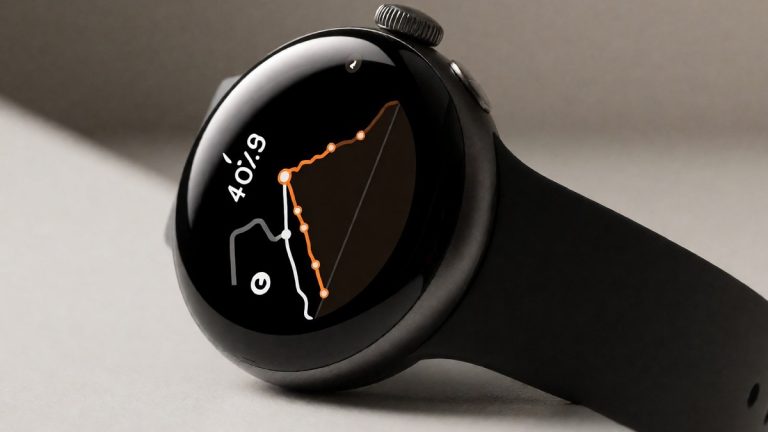
The software also imposes regional limitations. Siri AI remains unavailable on iPhone, iPad, or Apple Watch within the European Union. For iPad users, the requirements include an M1 chip or later and iPadOS 27. The standard iPad with an A16 chip cannot run these features. On Mac, the software works on models with an M1 chip or later and MacBook Neo with an A18 Pro, though Intel Macs lack support. Apple also announced support for French, Japanese, Korean, Portuguese, and Spanish in October. Watch users require a Series 9, Ultra 2, or SE 3 with watchOS 27, provided they pair with an Apple Intelligence-enabled iPhone.
| Feature | Supported iPhone Models |
|---|---|
| Siri AI (Base) | 15 Pro, 16 family, 17 family, Air, 18 Pro |
| Expressive Voices | Air, 17 Pro, 18 Pro, iPhone Duo |
| Unsupported | iPhone 15, iPhone 15 Plus |
A billion dollar privacy gamble?
In January 2026, Apple and Google signed a billion-dollar deal to license a custom version of Gemini. This 1.2-trillion-parameter model provides the foundation for Siri’s complex reasoning and summarization tasks. Apple attempts to shield users through Private Cloud Compute, a system that runs on Apple silicon and processes data ephemerally in memory to ensure that Apple cannot access your information even while data centers process it. Previously, Apple used models with 150 billion parameters.
This infrastructure uses stateless computation, which means no data remains after the task completes. The system also employs enforceable guarantees and non-targetability, which means requests cannot be traced to individuals. Apple provides a Virtual Research Environment for security researchers to inspect the system. However, security experts question the integrity of this arrangement because Google’s core business model depends on the collection of user data. Do you trust a model built by an advertising-driven company to protect your personal context?
Why the advanced features still wait
The most anticipated upgrades, such as onscreen awareness and personal context, will not arrive until the iOS 19.4 update in spring 2026. Apple engineers encountered significant difficulties with the V1 architecture, which limited the quality they expected for customers. These technical hurdles forced a postponement of the advanced features that users expected from the initial Apple Intelligence launch. I find the current rollout frustrating for those who purchased the iPhone 16 specifically for these promised capabilities. While Apple uses ChatGPT for broad world knowledge through an explicit user request, the core assistant still lacks the sophistication of its rivals.
The delay also affects the control enhancements for App Intents that serve the upcoming smart home hub. Apple continues to work on the V1 architecture to ensure the assistant can handle multi-step tasks like sending photos from a barbecue or adding addresses to contact cards. Engineers work on the App Intents toolbox so Siri can execute tasks across multiple apps. This includes the ability to locate a driver’s license number in photos or retrieve flight details from emails.