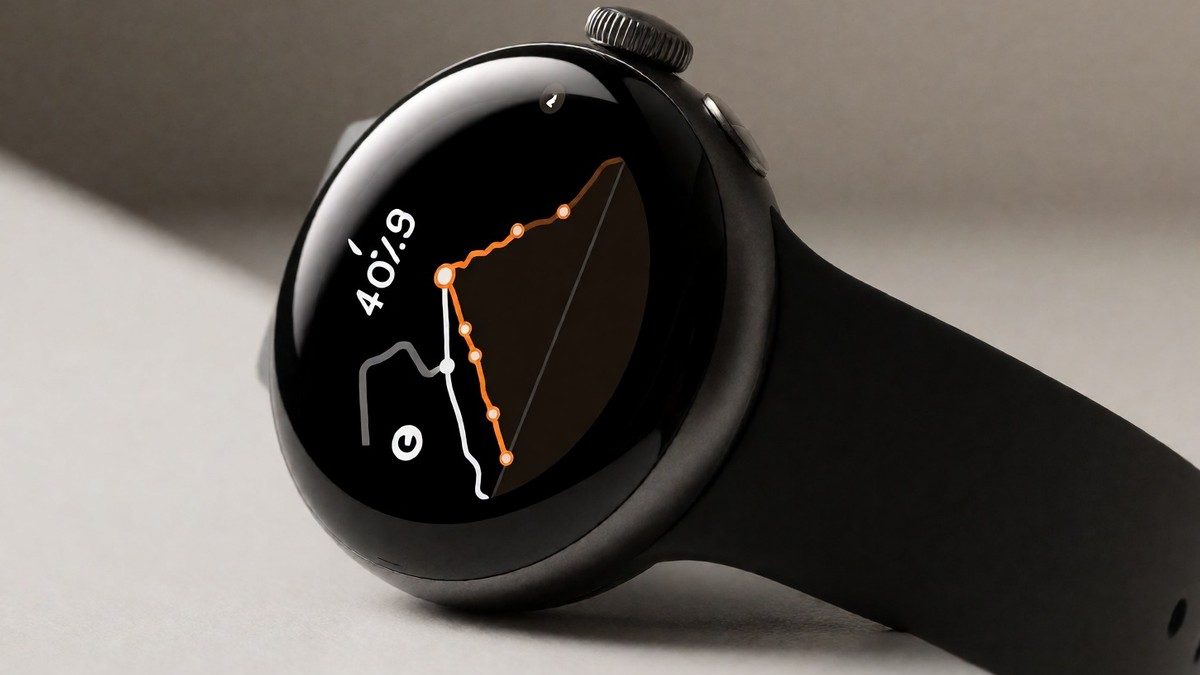
The Google Pixel Watch 3 displays glucose levels from the Dexcom G7 on the watch face. This functionality requires an Android phone and uses the Dexcom app to show readings and trends. Users with an Apple Watch also see glucose data from Dexcom G7 or FreeStyle Libre 3 on their wrists. No smartwatch in 2026 measures glucose directly from the skin. The FDA warns consumers against smartwatches or smart rings that claim to measure blood glucose without piercing the skin. Every current wrist-based display relies on a separate sensor worn on the arm or abdomen. You know that a piece of plastic on your arm does the actual work. Dexcom Stelo provides a similar service for people two years and older who do not use insulin. The Stelo system uses a small, flexible wire sensor that users insert just beneath the skin on the back of the arm. This sensor lasts up to 15 days. It sends updates to a smartphone or smart device every 15 minutes. The sensor transmits data via Bluetooth to a compatible device. Users should consult a health care provider before making medication adjustments based on the device output. The FDA previously cleared the Stelo system for individuals 18 years and older in March 2024.
Inference instead of measurement
Google released an Insulin Resistance Trends feature in August 2026. This feature uses resting heart rate, activity, and sleep data to report directions in metabolic health. Apple takes a different path with its hypertension notifications. Because the algorithm prioritizes high specificity to minimize false positives, the Apple Watch hypertension notification feature misses 59% of hypertension cases and 70% of all Stage 1 hypertension cases throughout the testing period. This approach uses the inference route rather than the direct sensing route. Apple’s feature uses data from the optical heart sensor to analyze how blood vessels respond to heart beats. This method analyzes data over 30-day periods. Apple’s training data for this feature came from over 100,000 participants across seven studies, and the company later validated the performance in a study with 2,229 participants. Does a notification based on correlated signals provide enough accuracy for medical decisions? The algorithm uses a receiver operating characteristic curve to select an operating point that favors specificity.
Comparing the leading wearables
Apple targets health users with sleep apnea detection and irregular rhythm notifications. The Apple Watch Series 11 provides 24 hours of battery life and 5G cellular capabilities. Aluminum models use Ion-X glass that is 2x more scratch-resistant. Pixel Watch 4 provides 30 hours of battery life and a 3,000 nit display. Pixel Watch 4 also includes satellite connectivity without the extra cost seen in Apple’s higher-end models. The Pixel Watch 4 beats Apple on battery and price, but Apple provides better certified health features. Apple Watch Series 12 uses the S11 chip to power the Health Sensing System. This system delivers higher-frequency heart rate and heart rate variability measurements. The watch provides two variants of heart rate variability to help users understand stress and recovery. Higher variability usually indicates better recovery, while lower variability indicates stress. The watch also includes a new readiness score to help users decide how to take on their day. The Apple Watch Series 11 is thinner and lighter than the Pixel Watch 4. The Pixel Watch 4 has a thicker case and a circular build.
| Specification | Apple Watch Series 11 | Google Pixel Watch 4 |
|---|---|---|
| Price | Starting at $399 | Starting at $350 |
| Peak Brightness | 2,000 nits | 3,000 nits |
| Battery Life | 24 hours | 30 to 40 hours |