The Ai Pin 2 fixes early flaws
The Humane Ai Pin 2 Launch Edition provides improved battery life and a faster translation engine to resolve the failures of the 2024 model. The original Ai Pin encountered thermal issues that caused the device to throttle or shut down during use. Reviewers from The Verge documented how the laser projector became hard to read in non-dark environments. This 2026 version attempts to fix those issues for users who want a screenless interface. You should choose the 2026 edition to avoid the overheating problems that characterized the first version. The original company raised $100 million in funding and laid off some of its workforce in January. However, the company sold its software business to HP in February 2025 after reviewers described the device as a failure. The original product also struggled with response times that exceeded ten seconds. Additionally, the battery lasted only four hours. Users also found the tilt and pinch gestures hard to master. David Pierce at The Verge described the first model as a proof-of-concept rather than a killer device.
Hardware and performance specifications
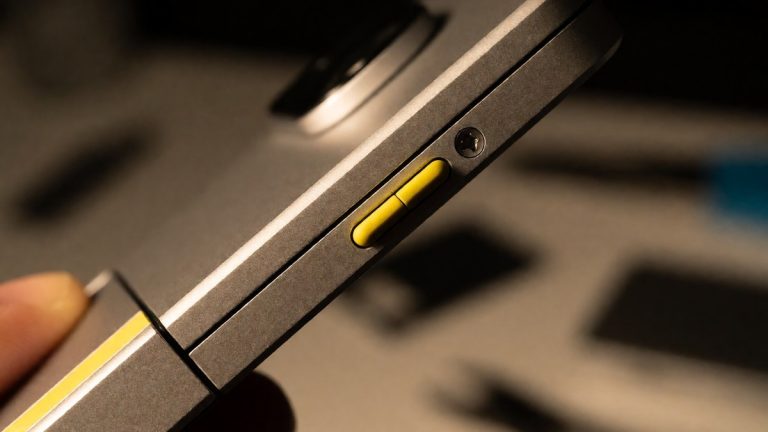
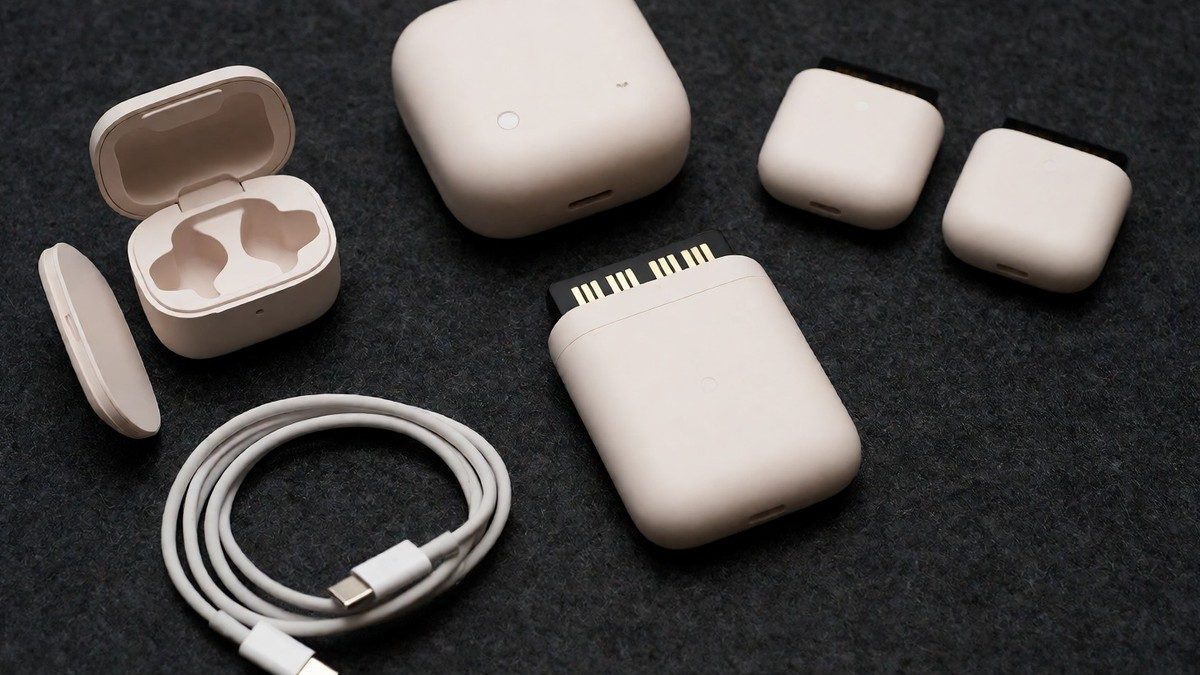
The Ai Pin 2 uses new hardware to manage the heavy power needs of large language models. The original version required a $24 monthly subscription for cellular data and access to AI tools from Microsoft and Google. This subscription includes a dedicated phone number, unlimited talk, text, and data, and a TIDAL HiFi music subscription. The complete system includes the Ai Pin, a charge case, a charge pad, a cable, an adapter, and two battery boosters to manage the heavy power requirements of the integrated AI software through the magnetic system. The $699 price covers the hardware kit, while the T-Mobile partnership provides the wireless connectivity. The hardware is a two-piece design consisting of the main computer and a battery booster.
| Specification | Detail |
|---|---|
| Base Price | $699 |
| Monthly Fee | $24 |
| Connectivity | T-Mobile |
| Display Type | Laser projection |
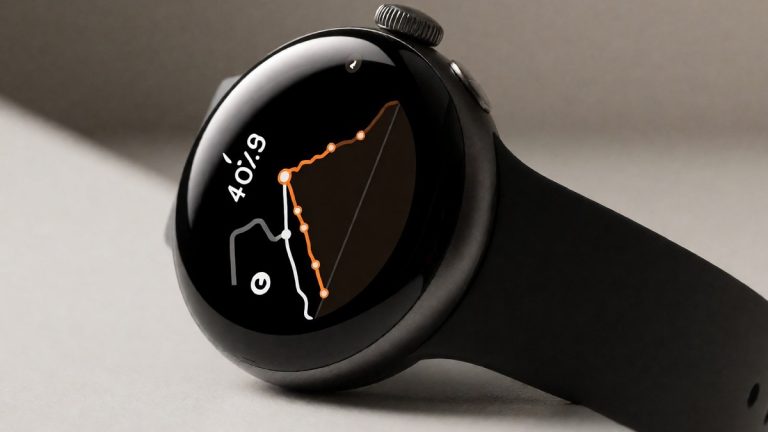
The device uses a laser ink display to show information on the user’s palm. This method replaces the traditional screen found on the Apple Watch. The original Ai Pin lacked the ability to add things to a calendar or set a timer. The device also failed to provide a persistent memory of the user, so every conversation started cold. The original model could scan a QR code or use its camera to find reviews for a restaurant, but it could not perform many essential phone functions. Does the 2026 model finally provide the personal memory needed for a true assistant?
The wearable market and the Apple rivalry
Qualcomm’s Snapdragon Wear Elite platform competes for the wearable market by using a Hexagon NPU to run models with up to 2 billion parameters. This processor provides 30% longer usage and allows for 50% faster charging in only 10 minutes. The chip supports 5G RedCap, MicroPower Wi-Fi, NB NTN satellite communications, UWB, GNSS, and Bluetooth 6.0 to ensure connectivity. This platform targets smart pins, pendants, and other compact personal devices. The Apple Watch occupies a different space by focusing on health and fitness tracking. Apple also uses proximity technology so that a user with an Apple Watch can unlock a smart deadbolt lock without tapping. LG cameras in the Apple Home collection capture up to 2.5K resolution and recognize faces, pets, and vehicles. The Ai Pin aims for an ambient experience that works alongside a smartphone rather than a device that tries to replace the phone entirely. The Ai Pin uses a laser projector on the palm while the Apple Watch uses a screen. An Apple Watch with an LLM powered Siri could provide AI capabilities without the distractions of a smartphone. The Ai Pin provides real-time translation across approximately 50 languages.