
The move to TSMC 3nm architecture
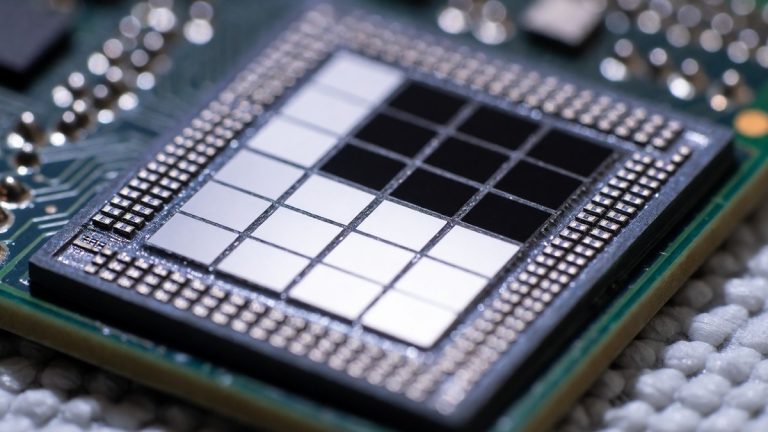
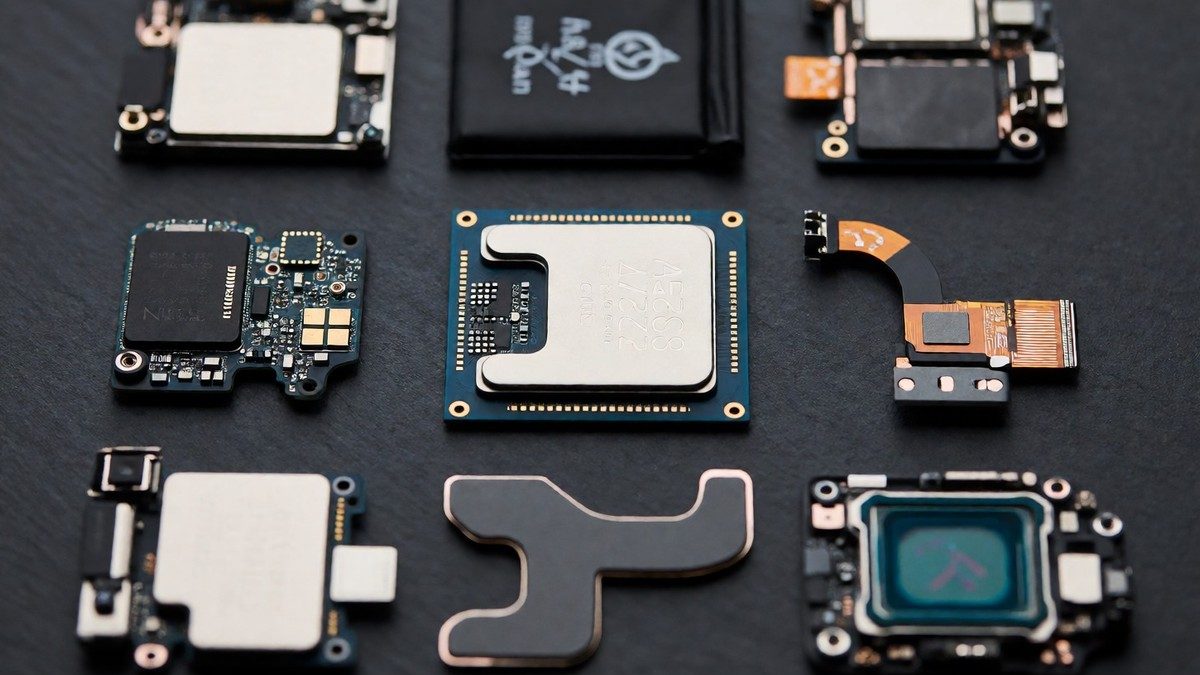
The Tensor G5 uses TSMC’s 3nm manufacturing process to power the Pixel 10 series. This transition ends the previous manufacturing partnership with Samsung. Google engineers designed the G5 with a 1+5+2 core cluster architecture to improve efficiency. The chipset contains one Cortex-X4 core running at 3.78 GHz, five Cortex-A725 cores at 3.05 GHz, and two Cortex-A520 cores at 2.25 GHz. This architecture provides a 34 percent performance improvement over the Tensor G4. The change in manufacturing is a response to thermal management and power consumption needs.
The shift to a 3nm process allows for more transistors to fit on the chip. This density aims to improve power efficiency for daily tasks. The Pixel 10 base model includes a 4,970 mAh battery, while the Pro XL version has a 5,200 mAh cell. The Pixel 10 Pro contains a 4,870 mAh battery. These hardware changes are intended to provide longer usage times. However, the physical hardware still faces thermal challenges during intensive workloads.
Benchmarks and performance reality
Performance tests show the Tensor G5 exceeds the G4 in many categories, though it still trails competitors. The AnTuTu benchmark gives the Tensor G5 a score of 1,291,252, which is more than 20 percent higher than the 1,069,935 score of the Tensor G4. In the CPU department, the G5 provides a score of 457,073, while the G4 provides 196,635. The GPU score for the G5 is 382,578, which is lower than the 457,703 score recorded for the G4. In Geekbench 6, the G5 achieves a single-core score of 2,285 and a multi-core score of 6,191. The G4 reached 1,929 in single-core and 4,586 in multi-core tests.
The Galaxy S25 Ultra is faster than the Pixel 10 Pro. It outperforms the Pixel in single-core Geekbench 6 tests by 28 percent and in multi-core tests by 37 percent. The GPU in the Pixel 10 uses an Imagination Technologies DXT-48-1536 architecture. This GPU provides a 27 percent peak performance gain in 3DMark Wild Life Extreme tests compared to the previous generation. The GPU lacks ray-tracing support.
| Benchmark Category | Tensor G5 Score | Tensor G4 Score |
|---|---|---|
| AnTuTu Total | 1,291,252 | 1,069,935 |
| CPU Score | 457,073 | 196,635 |
| GPU Score | 382,578 | 457,703 |
| Memory Score | 242,613 | 205,592 |
| UX Score | 208,898 | 210,005 |
| Hardware Spec | Tensor G5 Detail |
|---|---|
| Core Architecture | 1+5+2 |
| Process Node | 3 nanometers |
| GPU | PowerVR DXT-48-1536 |
| RAM Type | LPDDR5X |
| Max Bandwidth | 68.2 Gb/s |
AI processing and the NPU
The fourth-generation Tensor Processing Unit provides a 60 percent performance increase over the Tensor G4. Google uses the Matryoshka Transformer architecture, which includes 2 billion effective computational parameters. This setup allows the Gemini Nano model to run 2.6x faster and 2x more efficiently for tasks like Pixel Screenshots and Recorder. The model uses 32,000 tokens for computational capacity, which is enough to analyze 100 screenshot images. The system reserves 3GB of the 12GB RAM pool to keep AI models loaded in memory.
The Gemini Nano model uses 8 billion parameters for its full mode, but only 4 billion sit in RAM. A submodel version uses 5 billion parameters with 2 billion sitting in RAM. This method allows the device to pull parameters from flash storage in small increments. These AI capabilities enable features like Magic Cue, Voice Translate, Call Notes with actions, and Personal Journal. The chip also improves existing tools like Scam Detection and Gboard, which supports voice editing on the Pixel 10 series.
Computational photography and ISP
The Tensor G5 contains a new Image Signal Processor that manages computational photography. This hardware enables the 100x Pro Res Zoom feature. The ISP reduces motion-blur artifacts in 10-bit video capture for 1080p and 4K 30 fps recording. Google uses this processing for Real Tone, Add Me, and Auto Best Take. The Pixel 10 Pro and Pro XL models use camera hardware that is virtually identical to the previous generation.
Software improvements provide the main advantages for the camera. The G5 processes high-resolution data to improve low-light video and motion capture. The base Pixel 10 includes a telephoto lens for the first time. The Pro models rely on the ISP to create an AI-powered digital darkroom. Users can use Video Boost for ultra-high-resolution content through cloud-based services.
Battery drain and thermal management
Battery life remains a frequent complaint for the Pixel series. A user in Berlin reported that the Pixel 10 Pro XL battery fell from 100 percent to 32 percent after three hours of use. This usage included taking 150 photos, calling two Ubers, and using Google Maps and Uber. The screen used 24 percent of the battery, while mobile network usage accounted for 30 percent. Google Photos and Synology Photos used 16 percent and 14 percent of the battery respectively. The CPU used 19 percent and the camera used 7 percent.
The phone also generates heat during standard tasks. In a 24-hour video playback test, the Pixel 10 Pro with a 4,870mAh battery reached 0 percent at 1:17 p.m. after starting at 5:45 p.m. the previous day. This result is only slightly better than the Pixel 9, which had a 4,700mAh battery and reached 0 percent at 1:08 p.m. The Pixel 9 Pro, which had an older battery, lasted until 1:41 p.m. Users in India have also reported the phone getting hot during regular use in air-conditioned rooms.
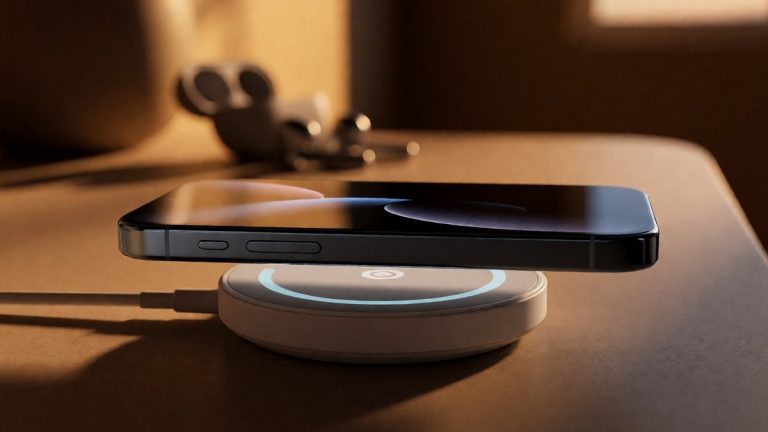
To manage these issues, users can enable Adaptive Charging. This feature uses AI to charge the phone to 80 percent and waits to finish the remaining 20 percent until closer to the time of unplugging. Adaptive Battery is another option that monitors app usage to limit performance and save power. You should check the Battery usage report in Settings to see if a specific app is responsible for the drain.
| Pixel Model | Battery Capacity |
|---|---|
| Pixel 10 | 4,970 mAh |
| Pixel 10 Pro | 4,870 mAh |
| Pixel 10 Pro XL | 5,200 mAh |
Network connectivity and modem performance
The Exynos 5400c modem manages wireless connections for the Pixel 10 series. Users report that the phone struggles to stay connected to the right network. Many users experience dropped calls or issues with WhatsApp because the device bounces between Wi-Fi and mobile data. In one case, a user with a -118dBm signal reported that the Pixel 10 Pro lost 10 percent of its battery while idle from 3:00 AM to 7:00 AM. This happened while the user had the mobile network enabled and Wi-Fi turned off.
Network instability can cause the phone to run hot. When the phone searches for the best signal, it uses more power. This is especially true in areas with few 5G antennas. The March and April 2026 Pixel updates caused more reports of battery drain and overheating while idle. Users have noted that the phone can drain significantly even when it is in airplane mode.
Software updates and AI diagnostics
Google uses AI Core to provide Battery usage summaries for the Pixel 10 and Pixel 11. This feature translates technical battery statistics into plain-English explanations. The system analyzes background app activity and compares current consumption to the recent average. Users can find this setting under Settings > Battery & charging > Battery usage.
The Pixel 10 also uses machine learning to optimize battery performance based on usage patterns. This optimization process takes several weeks to fully adjust after a factory reset or a new setup. Google states that increased drain immediately after a software update is often caused by the phone downloading and optimizing new software. Will the AI-driven software fixes eventually stabilize the battery life across all Pixel generations?
The verdict on Tensor G5
The Tensor G5 delivers significant CPU and NPU improvements. The 34 percent faster CPU and 60 percent faster TPU provide a smoother experience for AI features like Magic Cue and Gemini Nano. The move to the 3nm TSMC process helps with efficiency, but it does not resolve all heat or battery concerns. The Pixel 10 Pro is a strong device for computational photography and on-device AI.
The device remains difficult to recommend for users who prioritize long battery life or network reliability. The inconsistent battery drain during heavy usage and the issues with the Exynos 5400 modem create frustration. The Pixel 10 is a high-end option for those who want the unique Gemini Nano capabilities. If you need a phone that maintains a stable connection and lasts a full day of heavy outdoor use, the current Pixel performance is a compromise.