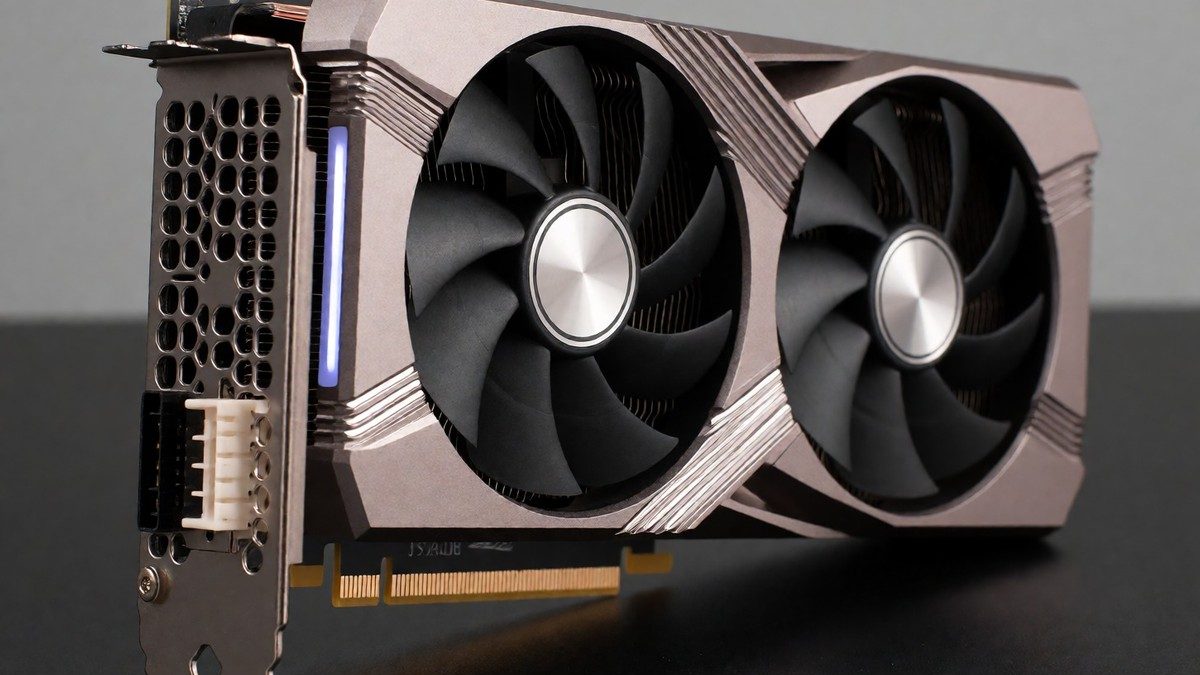
Stable Diffusion launched in August 2022 as a latent diffusion model that ran on consumer hardware with just 2.4 GB of VRAM, a stark departure from the cloud-only services of DALL-E and Midjourney. The project originated at LMU Munich, where researchers developed the underlying architecture before four key authors joined Stability AI to release subsequent versions. Training consumed 150,000 GPU-hours on 256 Nvidia A100s, costing $600,000, yet the open weights allowed anyone to download and build upon the code for free. This accessibility drove over 10 million users globally within two months, creating a massive community that MIT Technology Review described as having "the doors… off their hinges." The initial model struggled with human limbs and non-English prompts due to its training data, but it established a new standard for local deployment.
The Commercial Clash
The rivalry intensified as OpenAI’s DALL-E 2 and Midjourney maintained their lead in aesthetic quality while Stability AI pursued aggressive fundraising. In October 2022, Stability raised $101 million led by Coatue and Lightspeed Venture Partners, valuing the company at approximately $1 billion. However, some AI researchers disputed the startup’s claim of ownership, noting that Stable Diffusion was originally an open-source academic project. By early 2023, reports indicated Stability was seeking another $1 billion at a multibillion-dollar valuation, though those talks eventually stalled. Meanwhile, OpenAI secured a multi-year investment deal with Microsoft, solidifying its position with ChatGPT and DALL-E 3. I view this period as a clear mismatch: Stability had the community but lacked the polish of its closed rivals. The company’s founder, Emad Mostaque, later resigned to pursue decentralized AI, citing concerns about centralized control. His departure highlighted internal issues, including misleading claims about his Oxford degree and partnerships with organizations like the OECD and World Bank, which they denied. These controversies eroded trust even as the technology gained traction.
Stagnation and Succession
As of mid-2026, Stable Diffusion 3.5 remains the flagship image model, released in October 2024 without a successor announced since. This stagnation contrasts sharply with competitors who shipped multiple generations; Midjourney now offers V7 with a polished web app, and OpenAI has integrated image generation into GPT-4o. The community largely shifted attention to FLUX from Black Forest Labs, founded by former Stability researchers, which absorbed much of the momentum. SD 3.5 Large features 8.1 billion parameters and runs on consumer hardware, but its license restricts commercial use for organizations earning over $1 million annually, a clause that caused significant friction. Earlier versions like SDXL used a permissive CreativeML Open RAIL-M license with no revenue cap, leading many users to stay on older checkpoints. Stability’s pivot toward enterprise products like Brand Studio and Stable Audio 3.0 suggests a retreat from the pure open-source race. For developers needing high-volume, privacy-sensitive generation, the open route still holds value, but the cost of assembly and maintenance is real. Is the open model worth the complexity when hosted alternatives keep improving?