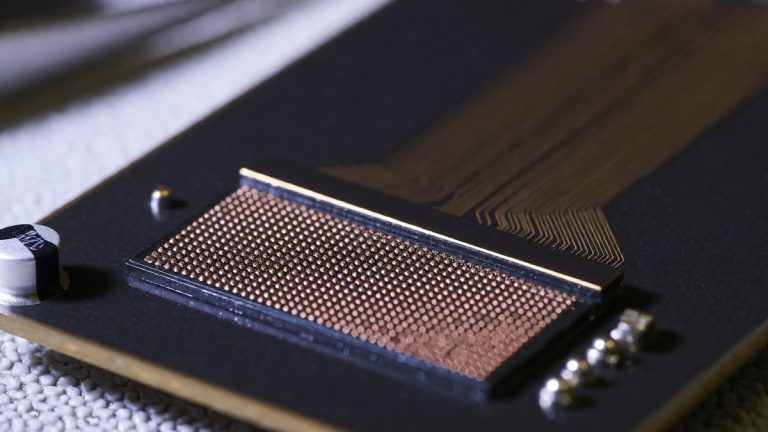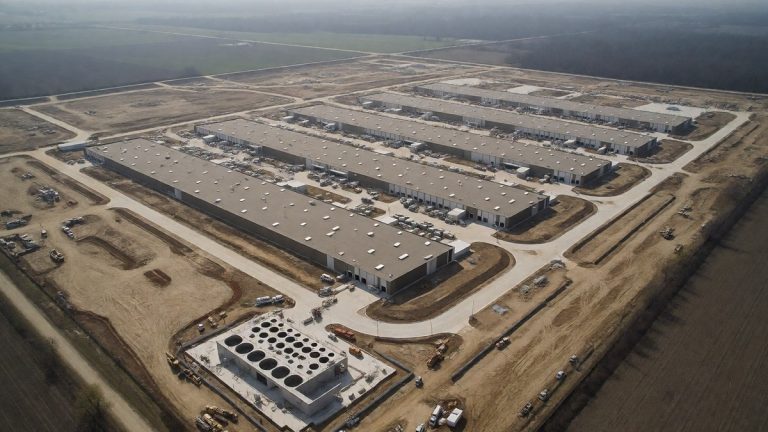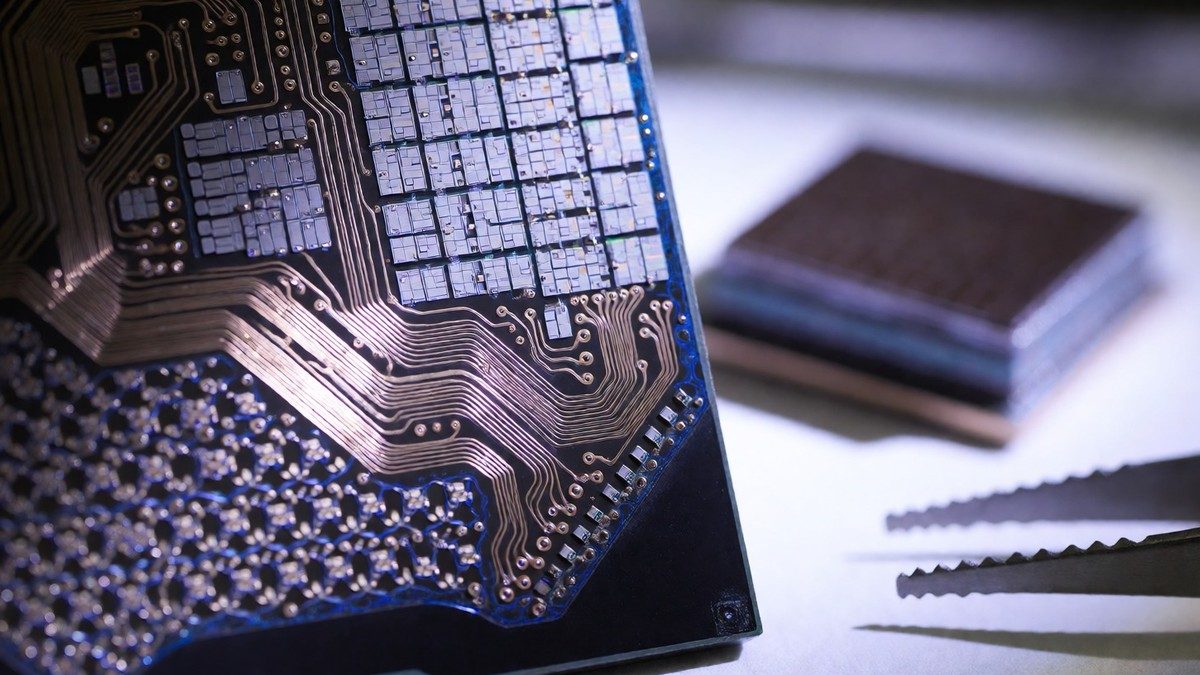
NVIDIA’s Blackwell GPUs are sold out until the end of 2025, with major customers like Meta, Microsoft, Google, Amazon, and Oracle snapping up the entire inventory. This scarcity leaves smaller companies waiting a year or more for hardware that is essential for their AI development plans. The chip itself packs over 200 billion transistors and delivers 20 petaflops of performance, which is five times faster than the previous Hopper generation while consuming the same power. I see this as a clear victory for NVIDIA’s market dominance, but it also creates a dangerous vacuum that rivals are already trying to fill. The shortage is not just about high demand; it is a complex mix of production issues, strategic prioritization, and supply chain bottlenecks that have left many in the industry confused about what is actually happening.
Production Hiccups and Strategic Priorities
The initial delay in Blackwell shipments was caused by a design flaw that lowered production yields, an issue CEO Jensen Huang admitted was "100% NVIDIA’s fault." He confirmed that no functional alterations were necessary, only a change to the GPU mask to improve yield, and TSMC helped recover manufacturing at an incredible pace. However, customers still face overheating challenges in the GB200 NVL72 server racks, which house 72 chips each and require multiple design revisions to manage heat effectively. Some cloud providers are even considering buying older Hopper chips as a backup, which could boost near-term sales but hurt long-term revenue if Blackwell deployments slip further.
| Metric | Value |
|---|---|
| Transistors | >200 billion |
| Performance | 20 PFLOPS FP8 |
| Memory | 192 GB HBM3e |
| Bandwidth | 8 TB/s |
I find it hard to ignore the fact that NVIDIA is deliberately cutting consumer GPU supply to prioritize these AI accelerators. Gaming revenue dropped from 35 percent of total sales in 2022 to just 8 percent by 2025, while data center sales reached $51.2 billion in Q3 2026. The company skipped new gaming GPU releases entirely in 2026, pushing the RTX 60 series beyond 2027 because AI servers are consuming all available DRAM supply. Micron’s CEO noted that memory markets will remain tight past 2026, meaning gamers will likely wait until 2028 for meaningful hardware upgrades. You know the drill: premium prices for existing cards like the RTX 5090, which hits $4,438 on third-party listings despite a $1,999 MSRP, are becoming the norm rather than the exception.
Market Share Shifts and Competitor Moves
TrendForce projects that Blackwell’s share of high-end GPU shipments will surge from 61 percent to 71 percent in 2026, driven by the maturity of the product line. In contrast, the next-generation Rubin series faces delays due to HBM4 certification issues and technical upgrade challenges, causing its projected share to drop from 29 percent to 22 percent. This shift means Blackwell remains the primary driver of NVIDIA’s revenue well into 2026, supported by continued shipments from existing 2025 orders. The transition from CoWoS-S to CoWoS-L packaging is also reducing demand for certain supply chain partners, leading to significant stock price corrections for some suppliers.
Intel and AMD are circling, hoping to capitalize on customer frustration with long lead times. Intel claims its Gaudi 3 chip offers 40 percent more power efficiency and 50 percent more inference speed than NVIDIA’s H100, though it trails behind Blackwell in raw training speed. AMD has released smaller language models trained on its Instinct MI250 accelerators, taking a different approach to efficiency. ThirdAI managed to train its Bolt LLM using only CPUs, achieving 160 times more efficiency than traditional GPU-based methods according to Omdia analyst Michael Azoff. These alternatives are clearly gaining ground, but can they truly compete with NVIDIA’s ecosystem? The answer remains uncertain as the market continues to evolve.