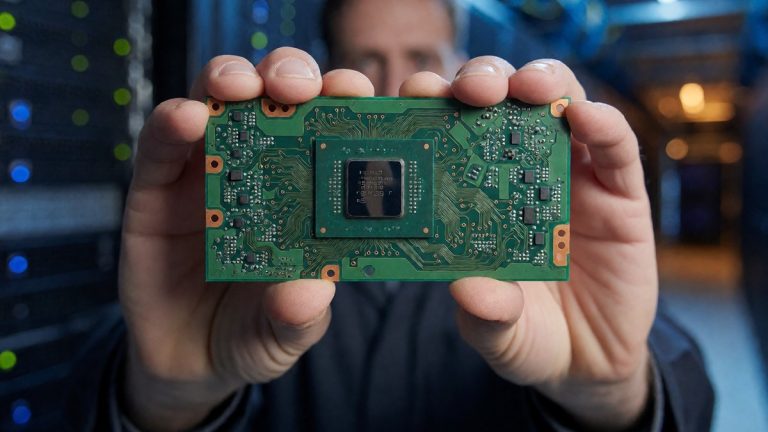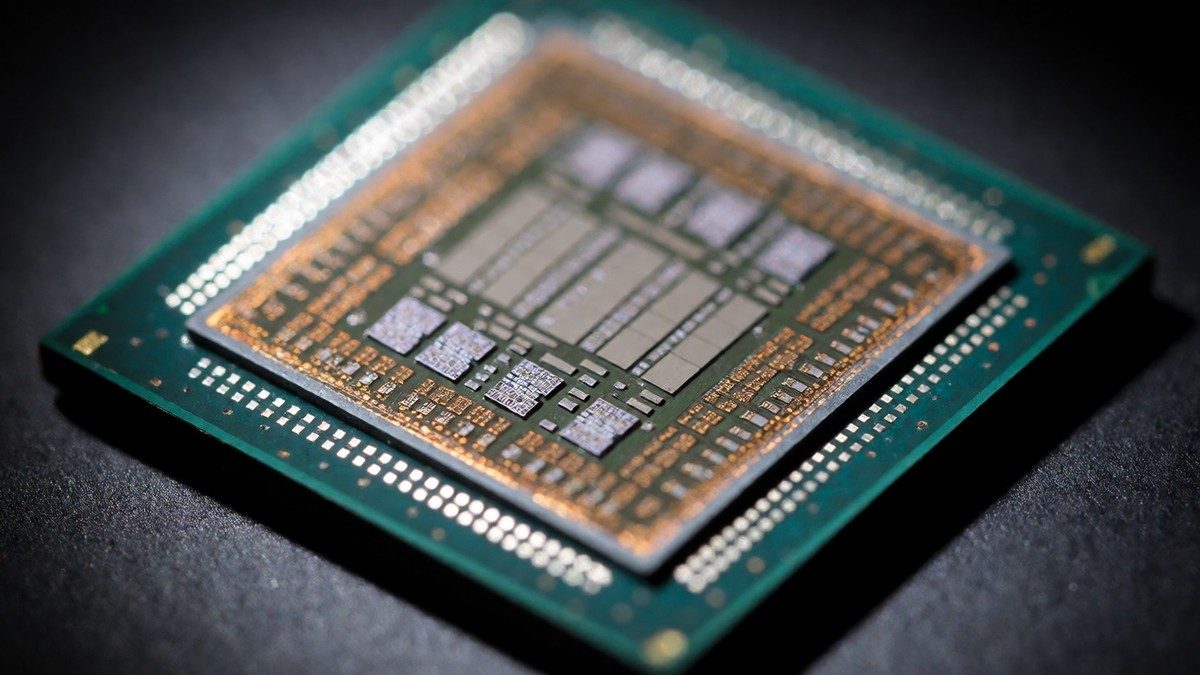
MediaTek’s Dimensity 9400+ is a 3nm flagship chipset that swaps the standard core layout for an "All Big Core" design. This configuration pairs one Cortex-X925 core clocked at 3.73GHz with three Cortex-X4 cores and four Cortex-A720 cores. The peak frequency exceeds the previous Dimensity 9400, which ran at 3.63GHz, by a small margin. You already know the basics of ARM architecture, so focus on the cache difference: the 9400+ allocates 12MiB of L3 cache, whereas the base 9400 uses 22MiB. This reduction in shared memory space is a specific technical trade-off that defines the chip’s current identity.
Performance And AI Features
The graphics unit is a 12-core Arm Immortalis-G925 GPU that brings detailed texture rendering capabilities typically seen in PC graphics to mobile devices. MediaTek’s Frame Rate Converter 2.0+ doubles the frame rate while cutting power use by up to 40%, a significant efficiency gain for sustained gaming sessions. The updated NPU 890 supports on-device large language models and includes Speculative Decoding+, which speeds up AI tasks by up to 20%. A new "Dimensity Agentic AI Engine" also helps developers create more advanced AI systems directly on the hardware. The Imagiq 1090 ISP handles HDR video across all zoom levels and adds a "Smooth Zoom" feature to keep subjects steady while filming. These components work together to deliver a high-performance package that rivals competitors like the Snapdragon 8 Elite in raw throughput. However, the chip’s performance under sustained load remains a point of contention among reviewers who note thermal throttling issues in devices like the Vivo X200.
Connectivity And Market Reception
Connectivity specs include Wi-Fi 7, Bluetooth 6.0, UFS 4.0 storage, and LPDDR5X memory running at 10667 Mbps. OPPO was among the first to use this chipset in its Find X8s and Find X8s+ models, which have already released in China. Enthusiasts are divided on the upgrade path, with some users disappointed that the NPU TOPS did not improve significantly over the previous generation. One common complaint is that the only major change is a minor prime CPU core frequency bump, leaving other aspects largely unchanged. Critics argue that MediaTek could have added more substantial upgrades but chose not to, inexplicably. The lack of LPDDR5T support, which the base 9400 had, has also sparked debate in online forums. Some users question why the overclocked version lacks features present in the standard model, suggesting a marketing trick rather than a genuine architectural improvement. Whether these minor tweaks justify the premium over the base 9400 remains an open question for buyers evaluating their next flagship device.