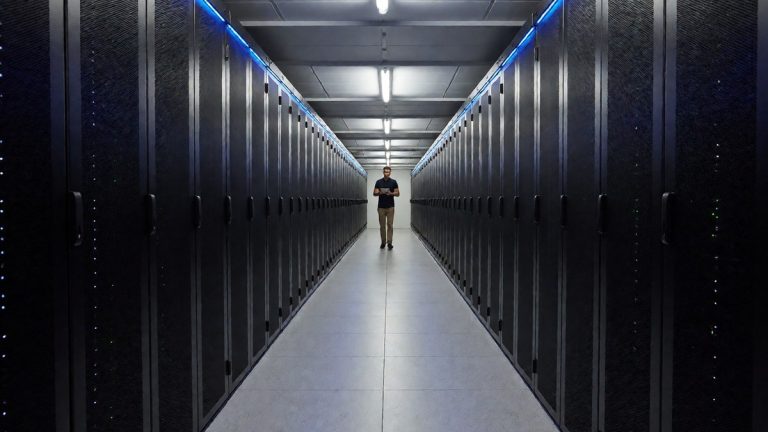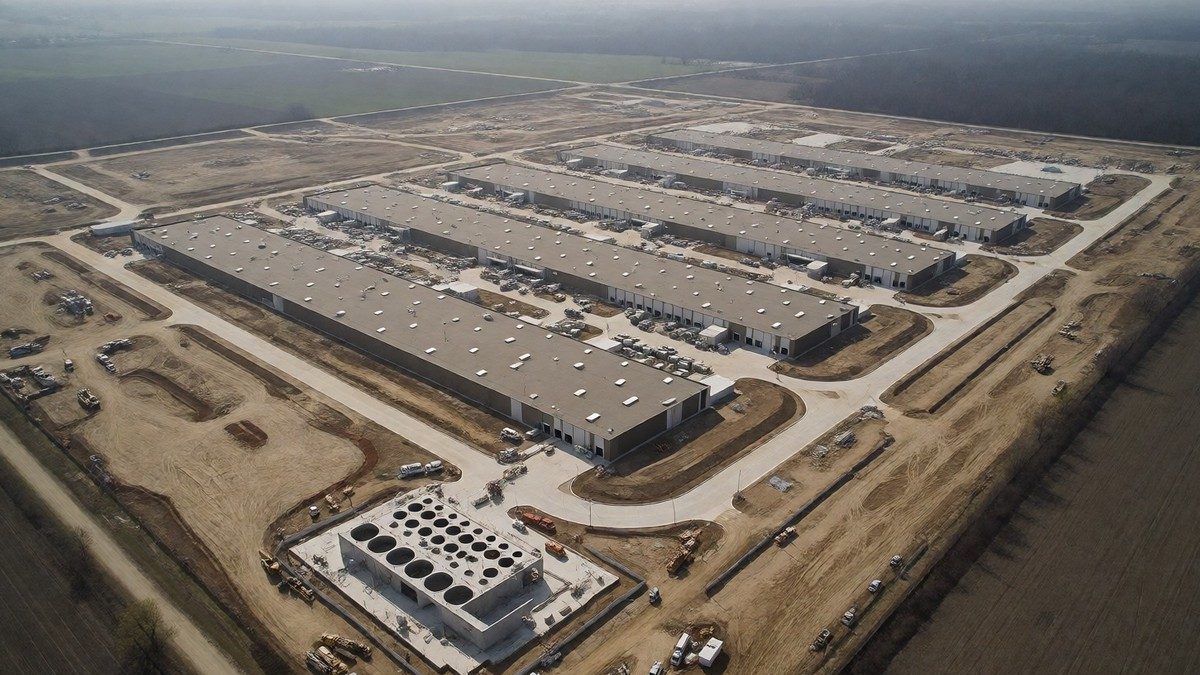
SpaceXSI’s Memphis campus faces a critical infrastructure gap. The $80 million wastewater recycling plant, designed to cool the Colossus supercomputer with 3 million gallons of greywater daily, remains incomplete after construction halted in April 2026. President Michael Nicolls committed to resuming work by Q1 2027, but this delay forces the facility to rely on alternative cooling methods that strain local resources. The original timeline targeted completion by late 2026, yet weather delays and prioritization of other projects have made that target "hazy." This stall creates immediate operational risk for a system that demands continuous thermal management.
Grid Strain and Permitting Failures
The energy requirements for the Colossus cluster are staggering. A 100,000-GPU configuration consumes roughly 70 megawatts just for accelerators, pushing total facility power draw toward 150 megawatts. To meet this demand, SpaceXSI deployed 41 methane gas turbines at the Colossus 2 site in Mississippi. Reuters reported in July 2026 that these 59 turbines operate without federal air permits, emitting pollutants into communities already suffering from high lung disease rates. The NAACP sued the company in April 2026, alleging illegal operations under the Clean Air Act. This legal exposure threatens the stability of the entire expansion plan. Furthermore, the reliance on portable generators indicates that grid connections from Memphis Light, Gas and Water and the Tennessee Valley Authority remain insufficient for peak loads.
| Metric | Value |
|---|---|
| Peak Power Draw | 150 MW |
| GPU Count (Colossus) | 100,000 |
| Wastewater Plant Cost | $80M |
| Daily Cooling Need | 3 Million Gallons |
I view the permitting violations as the most severe threat because they invite regulatory shutdowns. The company promised to ship a disassembled gas-fired power plant to Memphis in July 2025, but no timetable followed. This lack of transparency compounds the uncertainty surrounding their long-term energy strategy. Meanwhile, the rivalry with OpenAI intensifies the pressure to maintain uninterrupted training cycles. In August 2026, OpenAI stopped providing models to Cursor, citing contract violations by Musk’s companies. This dispute highlights how fragile the ecosystem around Grok has become. Any interruption in compute availability could allow competitors to gain ground in model performance.
Water Scarcity and Aquifer Depletion
Water consumption presents a second major hazard. While the first Colossus uses reclaimed wastewater, the new facilities in South Memphis and the third planned site will use millions of gallons of drinking water daily. These sites are too far from the xAI treatment facility to access the recycled supply. Sarah Houston of Protect Our Aquifer notes that more water is being pumped from the Memphis Sands Aquifer than is being replenished. Deep wells drilled to access the aquifer increase the risk of breaching the clay layer separating it from contaminated coal ash ponds above. This contamination poses a direct threat to the drinking water supply. The city’s public works director acknowledged that using wastewater is a "definite win," but the current infrastructure cannot support the full scale of the expansion.
The question of whether the community can sustain this level of industrial extraction remains unanswered. With two-thirds of planned U.S. data centers located in drought-prone areas, the Memphis model offers a partial solution, but only for one site. The rest of the complex continues to draw from potable sources. I recommend that investors scrutinize the status of the Q1 2027 restart date closely. If construction slips further, the environmental and legal liabilities will escalate rapidly. The company must prove it can deliver stable power and clean water simultaneously, or face significant operational disruptions.