Camera and S Pen changes
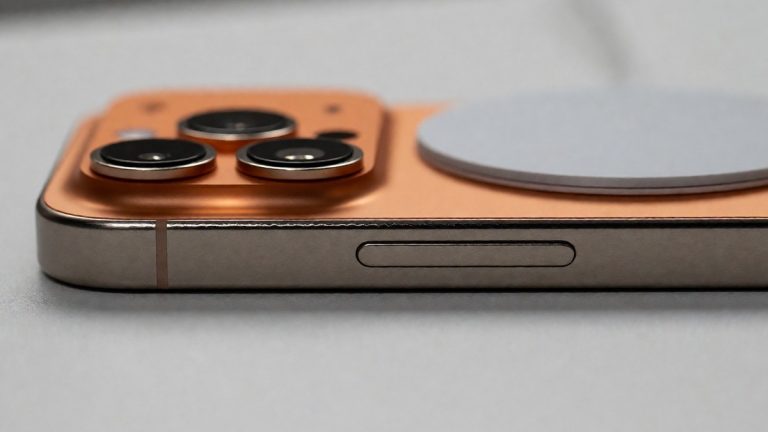
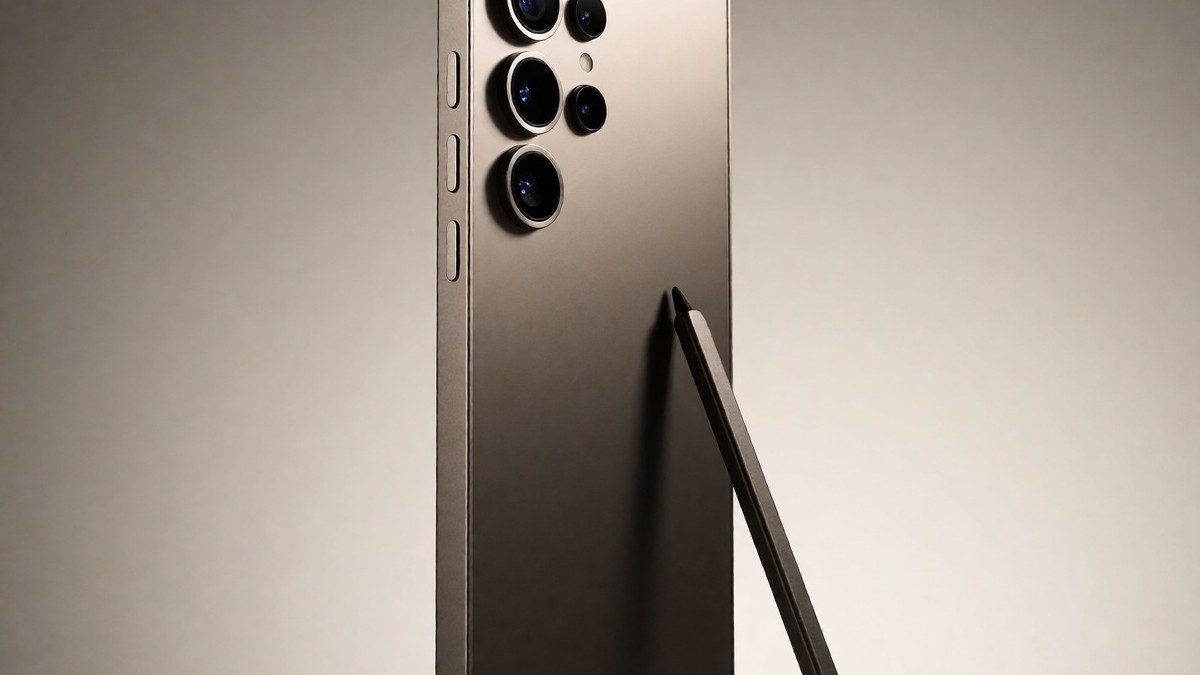
The Galaxy S26 Ultra camera improvements prioritize light capture. The 200MP wide sensor uses an F1.4 aperture to capture 47% more light than the F1.7 aperture on the S25 Ultra. Its 50MP telephoto lens uses an F2.9 aperture to gather 37% more light than the F3.4 aperture on the previous model. The 50MP ultra-wide and 10MP telephoto lenses remain identical to last year. Samsung included AI tools to add an artificial light source to photos to soften shadows or illuminate dark corners. The 12MP front camera uses an AI-powered image signal processor to improve skin tones and details in selfies. Samsung removed Bluetooth functionality from the S Pen because user adoption of Bluetooth Low Energy features is very low. This decision limits the stylus to direct screen input and note-taking. If you need remote camera control, media playback, or gesture-based Air Actions, you must purchase a Galaxy Watch for $350 or a Galaxy Ring for $400. The Galaxy S24 Ultra remains a viable alternative because it includes a Bluetooth-enabled S Pen and receives updates until 2031. The S24 Ultra also provides a Snapdragon 8 Gen 3 chip, a 200MP main camera, and a nearly identical display. This older model remains a strong choice for power users.
Satellite connectivity and remote work
Samsung satellite connectivity uses 5G NTN to send full messages, pictures, and videos. This capability exceeds the Emergency SOS Via Satellite functionality found on the iPhone 14 series. The technology sends data from the smartphone to satellites and then transmits it back down to ground stations for transfer to the recipient. Samsung developed this for the Exynos 5300 modem, which also powers Google Pixel 7 devices. Qualcomm and Iridium integrated Iridium data services into the Snapdragon MTR chipset on October 14, 2025. The Snapdragon X75 5G Modem-RF System supports "Snapdragon Satellite" and provides peak download speeds of 10 Gbps alongside peak upload speeds of 3.5 Gbps through its dual mmWave and sub-6GHz converged transceiver architecture using up to 10 carrier-aggregation for mmWave. This platform targets government, defense, and autonomous platforms that require low size, weight, power, and cost. This integration combines Iridium’s L-band satellite constellation with Qualcomm’s wireless stack. Iridium’s Short Burst Data service is optimized for low-latency telemetry and messaging, while Iridium Burst provides one-to-many broadcasts to messaging fleets and emergency alerts. These systems allow devices to switch between cellular, Wi-Fi, and satellite paths to maintain communication in remote areas. Remote workers and field engineers can send low-latency telemetry or messages when cellular networks fail. How will these satellite features influence long-term device subscription models?
Launch timing and pricing
Samsung postponed the Galaxy S26 series launch from January to February or March 2026 because of technical challenges with the 2nm Exynos 2600 chip. This delay impacts the trade-in value of older phones if their warranties end in January 2026. The delay signals a change in strategy and reflects internal issues related to development, supply, or product planning. A delay to February or March means Samsung loses some new-year momentum. For consumers planning upgrades around the annual cycle, the wait is longer. The Galaxy S26 Ultra costs $1,300 for the 256GB model and $1,800 for the 1TB model. Samsung offers the device in six colors, including two online exclusives. Pre-orders began on February 25, 2026, and shipments started on March 11, 2026.
| Feature | Galaxy S26 Ultra | Galaxy S25 Ultra |
|---|---|---|
| Main Sensor | 200MP (F1.4) | 200MP (F1.7) |
| Telephoto 1 | 50MP (F2.9) | 50MP (F3.4) |
| Telephoto 2 | 10MP | 10MP |
| Ultra-Wide | 50MP | 50MP |