Surface damage on the new aluminum frame
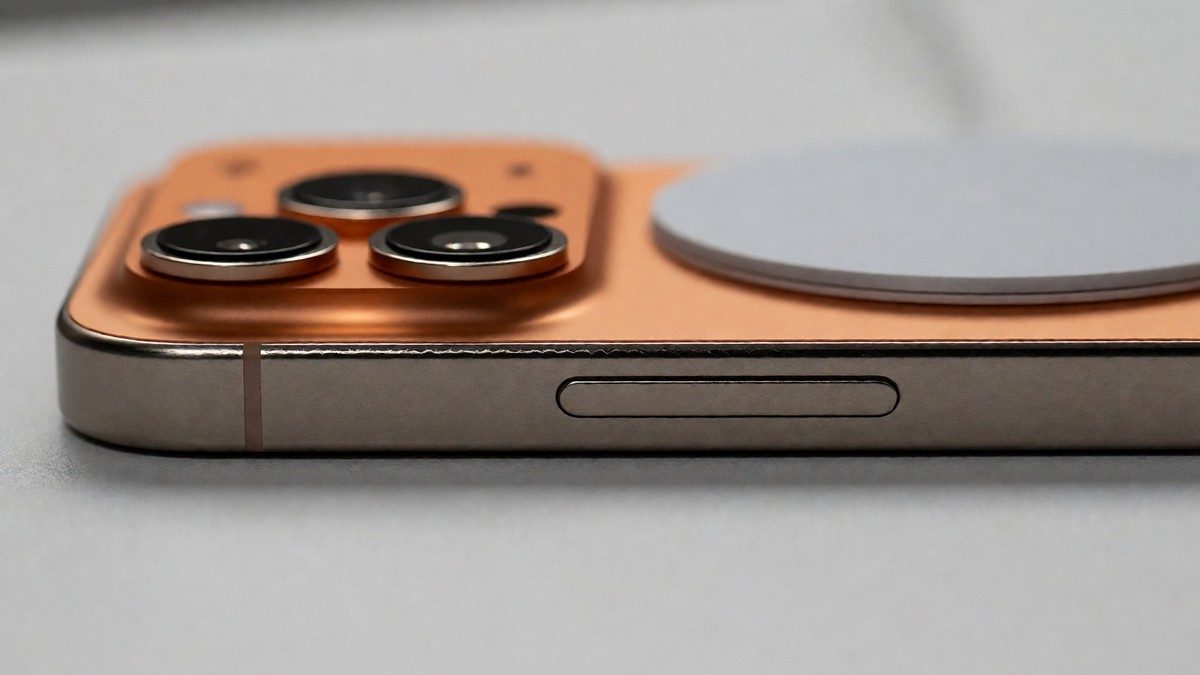
The iPhone 17 Pro aluminum unibody suffers from frequent surface damage that the previous titanium models avoided. I find that users report scratches from MagSafe chargers, restaurant tables, and even pockets. Anodized aluminum on sharp edges scratches easily, and some users report dents near the sim tray within hours of use. This shift from the grade 5 titanium of the iPhone 16 Pro Max to aluminum makes the device prone to scuffs. While titanium resists deformation by transferring impact stress to the glass, the softer aluminum absorbs the shock, which leads to surface scuffs. People using the device without a case often find that dirt trapped under a case also scratches the finish. The loss of value for those who upgrade annually is a real concern. One user noted that the iPhone 16 Pro Max had excellent build quality with its titanium, whereas the iPhone 17 Pro Max feels like an average build. In terms of ergonomics, the lack of texture or knurling on the metal makes the device hard to grip, which forces users into a cycle of buying cases to prevent drops and scratches. On TikTok, users demonstrate how their devices scratch after contact with restaurant tables or magnetic wireless chargers. This issue mirrors the camera visor problems seen on the Pixel 7 Pro.
Thermal management and the cost of materials
Apple replaced the titanium shell with an aluminum unibody to help the thermal performance of the A19 Pro chip. This chip generates a high thermal load when it processes ProRes RAW video or runs on-device AI models. Aluminum conducts heat more efficiently than titanium, so the chassis acts as a passive heatsink for the internal components. The decision to move to an aluminum unibody allows Apple to redirect its manufacturing budget toward the new 100mm f/2.8 tetraprism telephoto lens and the needed internal vapor chamber cooling system to manage heat.
| iPhone 17 Pro Specification | Value |
|---|---|
| Frame Material | Aluminum |
| Telephoto Lens | 100mm f/2.8 tetraprism |
| Chipset | A19 Pro |
| Colors | Orange, Deep Blue |
The decision to abandon titanium also mitigates supply chain risks because aluminum comes from a diversified, global supply. Titanium production relies on a complex and geopolitically sensitive supply chain that introduces long-term risk to Apple’s manufacturing pipeline. Machining titanium at scale costs too much, so Apple uses aluminum to keep prices stable and improve production efficiency. This choice allows for colors like Orange and Deep Blue. The aluminum unibody provides a lighter weight for the 6.3-inch and 6.9-inch models, which helps with ergonomics. You should probably use a case to avoid these cosmetic issues. Why did Apple prioritize these new colors over the durability seen in the older titanium PVD coatings?
Samsung and the race for better heat control
Samsung evaluates a move to aluminum for the Galaxy S26 Ultra to compete with Apple’s thermal management. The Galaxy S26 Ultra needs better heat dissipation for its custom Snapdragon 8 Elite Gen 2 chip, which runs at 4.74GHz. Samsung currently uses Armor Aluminum on its base models, but the S26 Ultra might require a more refined finishing process to prevent paint from chipping like the iPhone 17 Pro. The iPhone 15 Pro used a thin titanium shell bonded to a recycled aluminum internal frame, but the iPhone 17 Pro utilizes a full aluminum unibody milled from a single block of metal. This unibody design creates a chassis with fewer seams or potential points of failure, which helps rigidity. While Samsung’s Armor Aluminum held up well in durability tests, the company must address whether its paint will chip during daily use. The Galaxy S25 series already uses Armor Aluminum, so Samsung has the experience to implement this change. However, Samsung must decide if the benefits of better heat management and lower costs outweigh the potential for surface scuffs.