Thermal management and chip history
Qualcomm’s thermal performance defines the success of its mobile chipsets. In 2014, the Snapdragon 810 suffered from overheating and throttling issues. This failure caused Samsung to ditch Snapdragon for its Galaxy S6 flagship. Modern Snapdragon processors utilize ARM architecture to manage power and heat. The RISC design philosophy uses a simplified set of instructions to minimize transistor counts. This design reduces power consumption and heat generation compared to CISC architectures. The ARM design philosophy uses a simplified set of instructions that execute quickly, which reduces the transistor count and helps to lower both power consumption and heat generation for mobile devices. The CISC approach used by Intel and AMD utilizes complex instructions that perform multiple operations in a single instruction. This requires more complex logic and higher power consumption. In contrast, the RISC approach used by ARM emphasizes power efficiency through high-speed execution and optimized pipelines. This efficiency enables longer battery life and lower heat output, which allows for thin and lightweight designs. Early Snapdragon 835 models used Samsung 10 nanometer FinFET processes, while the Snapdragon 845 used the same 10 nanometer process. The Snapdragon 855 used TSMC 7 nanometer manufacturing. Later, the Snapdragon 888 introduced the ARM Cortex-X CPU architecture.
The mobile landscape
Qualcomm operates under a fabless manufacturing model to develop its Snapdragon line. This product line powers smartphones, tablets, and laptops through integrated systems on a chip. The success of Snapdragon depends on Android manufacturers because Apple does not incorporate these processors into its products. Samsung provides various AI services like those listed under "Advanced intelligence." Samsung tied with other manufacturers for service experience in the 2024 ACSI survey. Qualcomm expanded its influence by acquiring the generative AI unit Movian AI. The company also acquired the Israeli semiconductor firm Autotalks. Qualcomm previously bought Nuvia for $1.4 billion to develop laptop CPUs. This acquisition involved architects from Apple and Google. You should note that Qualcomm also acquired the advanced driver-assistance systems brand Arriver. The Nuvia acquisition allowed Qualcomm to develop custom-designed processors using ARM licenses. This strategy targets the growing demand for high-performance computing in the mobile and PC sectors. Samsung holds the number one rank for warranty coverage in the appliance market. The competition between ARM-based designs and x86 architecture continues as software ecosystems mature. Will the efficiency of ARM-based processors eventually surpass the peak computational throughput of x86 chips?
System on chip architecture
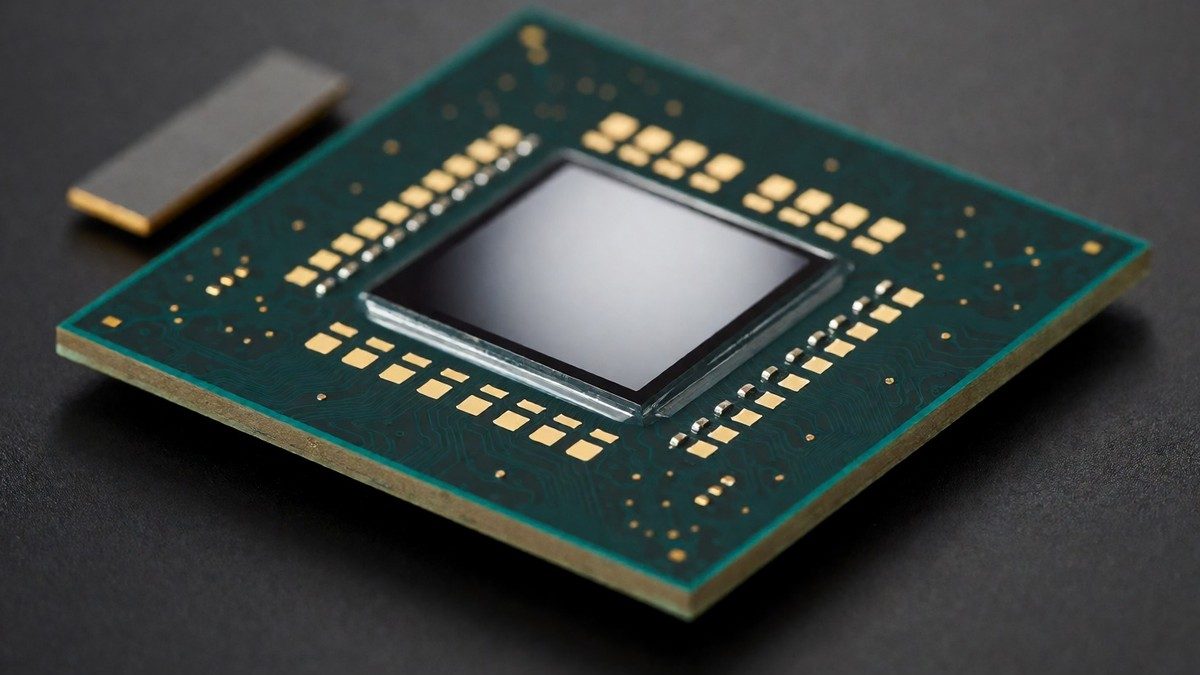
A Snapdragon SoC consolidates vital components onto one piece of silicon. This integration includes an Adreno GPU, a central processing unit, and an integrated 5G modem. The NPU specifically manages the matrix math required for modern AI and machine learning workloads. This dedicated hardware improves performance by offloading tasks from the general CPU. The integration of the Adreno GPU and cellular modem into a single package simplifies overall design while lowering manufacturing complexity for mobile devices. Snapdragon SoCs also include an Image Signal Processor to manage camera data. These systems include a Hexagon digital signal processor and a dedicated security processor. Qualcomm also integrates FastConnect technologies to manage wireless network interface controller functions. The first Snapdragon released in 2007 had a 1 GHz CPU clock speed and could output display at up to 720p resolution. The Snapdragon 800, which Qualcomm renamed in 2013, helped establish the brand in the high-end market. The integrated CPU uses the ARM architecture.
| Component | Specific Function |
|---|---|
| CPU | Primary computing tasks |
| Adreno GPU | Graphics and rendering |
| NPU | AI and machine learning |
| Modem | 5G and cellular connectivity |
| ISP | Camera data processing |