Motorola Razr relaunch risks
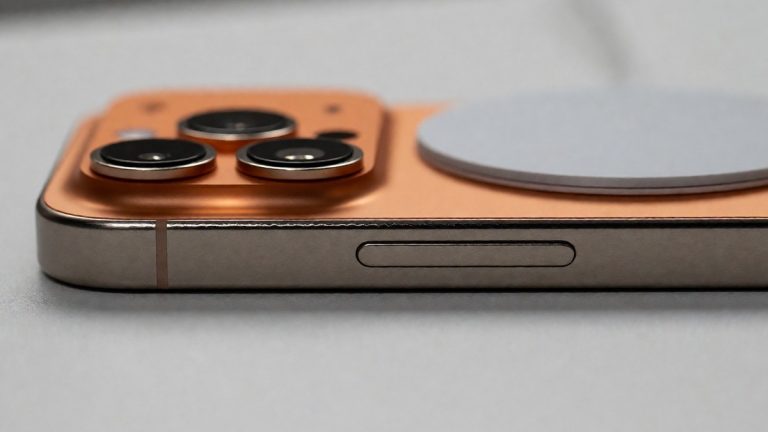
Motorola faces significant pressure following the October leak concerning its 6.9-inch crease-free display for the Razr Ultra. The 6.9-inch display is the centerpiece of the relaunch. The company previously lost significant market share in the second half of the 2000s despite a brief resurgence with the RAZR. This new hardware aims to fix the foldable experience, yet Motorola’s history with smartphones relies on the Android operating system used since the 2009 release of the Motorola Droid. The company must manage a market where Samsung holds the fifth-highest brand value in the world as of 2024. Motorola’s history reveals a pattern of business shifts, including a 2011 split into Motorola Solutions and Motorola Mobility. This new attempt to capture the foldable market follows decades of evolution from its 1928 founding as the Galvin Manufacturing Corporation, which later renamed itself Motorola, Inc. in 1947. Motorola’s handset division remains a direct descendant of the company that pioneered the first mobile phone with the Motorola DynaTAC in 1983 and produced radio-related communication equipment for many years. Will the 6.9-inch display sufficiently distance the Razr from its competitors?
Samsung trade-in and AI pressure
Samsung leverages aggressive promotional pricing and Galaxy AI features to protect its enterprise foothold. The company provides specific discounts for the upcoming Galaxy Z series to discourage users from switching to Motorola’s foldable devices. These offers require purchase through Samsung.com or the Shop Samsung App.
| Device | Promotion Period | Discount Amount |
|---|---|---|
| Galaxy Z Flip8 | 10/9/2026 – 11/2/2026 | $150 |
| Galaxy Z Fold8 | 10/12/2026 – 11/2/2026 | Up to $200 |
Samsung AI services include free basic features found under the "Advanced intelligence" category in the current terms. Future releases may charge for enhanced features or new services that are offered on a paid basis. Samsung makes no promises regarding the accuracy or reliability of the output provided by these AI features, as the service is powered by artificial intelligence. Certain AI functions, including Photo Assist, require a Samsung Account login and a network connection. Photo Assist also places a visible watermark on the image output to indicate AI generation. Samsung trade-in credits apply specifically to qualifying purchases and exclude many other promotions. Samsung provides heavily incentivized trade-in credits for qualifying Galaxy devices, provided the user sends the old device within 15 days and the device meets specific requirements like having a functioning display and no liquid damage. The program requires the device to hold a charge, have a verified FCC ID, and lack a blacklisted status. You should note that Samsung’s trade-in program excludes leased devices and requires the user to remove all personal information and reset the device to factory settings.
Hardware reliability and market history
The enterprise rivalry intensifies as Samsung controls a massive ecosystem of AI and hardware loyalty. Motorola must contend with Samsung’s established reputation, especially after the 2016 Galaxy Note 7 battery defect forced a permanent cessation of production in October 2016. Samsung’s current market strength stems from its massive investment in research and development, which began when the company entered the electronics industry in the late 1960s. Motorola’s relaunch must overcome the memory of its mid-2000s market share loss to succeed against the Galaxy Z Flip 7. Samsung trade-in credits apply specifically to qualifying purchases and often exclude many other promotional offers or carrier discounts. Consumers must own the device and ensure it has no liquid damage to receive credit, or they face a chargeback of the trade-in amount. Samsung trade-in values depend on the specific device being sent back. If a user fails to send the device within 15 days of purchase, Samsung charges back the trade-in credit minus $25 if the device fails to meet eligibility requirements. Samsung trade-in eligibility contains a verified FCC ID and a functioning display. The trade-in program requires the device to hold a charge, have a verified FCC ID, and lack a blacklisted status.