
The origin of the Fairphone movement
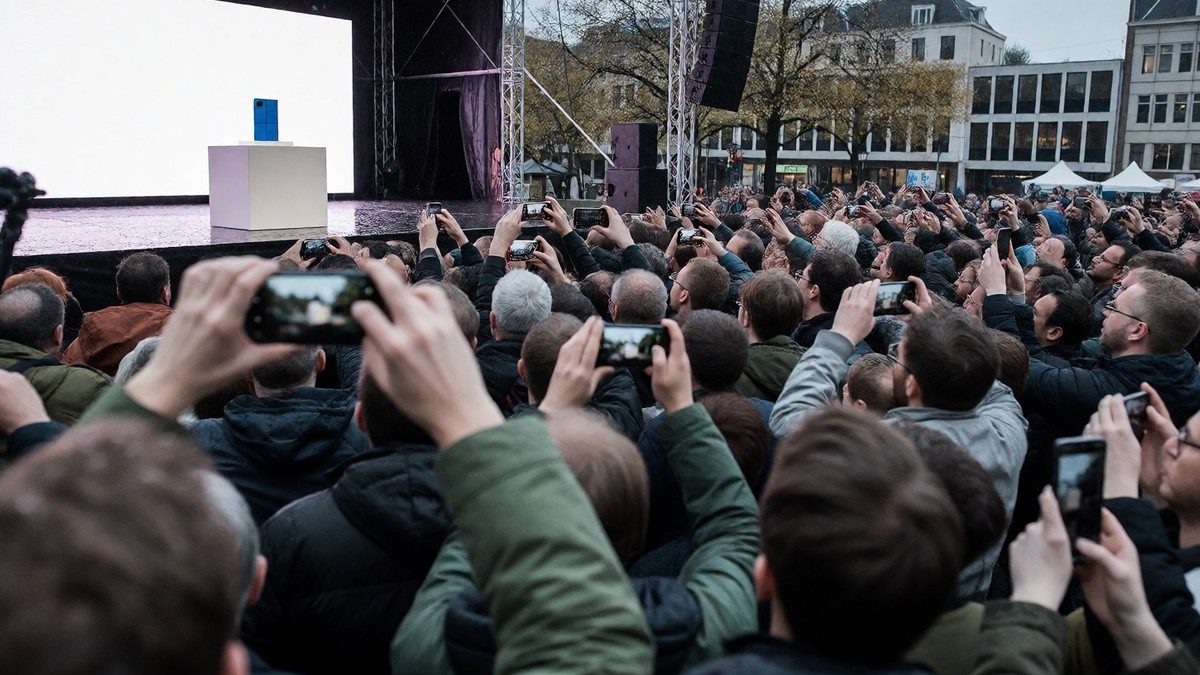
Bas van Abel founded Fairphone in 2013 following a campaign at Waag regarding conflict minerals. This 2010 campaign highlighted the impact of tin, tungsten, tantalum, and gold in the Democratic Republic of Congo. The 2013 crowdfunding campaign raised 2.5 million euros to scale production and increase the company’s positive impact. This effort generated more than 25,000 pre-orders before the first phone existed. Fairphone targets the electronics industry’s unfair practices by prioritizing long-term use, fair materials, and good working conditions. The business uses materials like gold, tungsten, and neodymium that often involve mining by children in deplorable circumstances. The first Fairphone 1 launched in 2013 as an alternative to disposable tech. The company works with suppliers to use recycled aluminum, magnesium, tin, nickel, and copper. Fairphone has attracted 150,000 customers since its inception.
Modular hardware and technical evolution
The product line grew with the modular Fairphone 2 in 2015 and the Fairphone 3 in 2019. The Fairphone 3 used a Qualcomm Snapdragon 632 processor, 4GB of RAM, and a 5.65-inch display running Android 9 or 10. The Fairphone 4 arrived in 2021 with 5G capabilities and a five-year warranty. This model earned a 9.3 out of 10 repairability score under French laws. Fairphone 4 uses 40 percent recycled plastics and provides software updates for five years. The company also promises to recycle or refurbish one device for every Fairphone 4 sold. In 2023, the company released Fairbuds, which are modular earbuds with replaceable batteries.
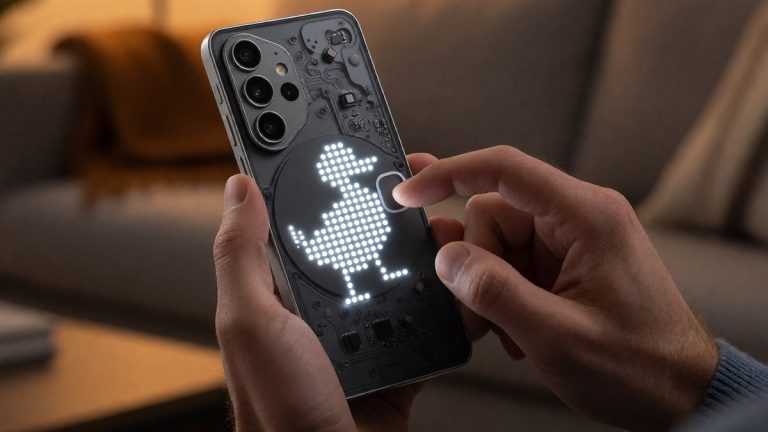
The Fairphone 6+ continues the mission of building devices that last by using 51 percent recycled or ethically sourced materials and providing 12 replaceable parts that users can swap with a single screwdriver in minutes. The hardware includes 12 replaceable parts like the battery, cameras, USB-C port, and the display. The battery maintains 80 percent of its original capacity for 1,000 full charge cycles. Having a replaceable battery helps you because you already know that they fail after a few years. Charging takes 80 minutes for a full charge via the 30W wired connection, and the battery reaches 50 percent in under 30 minutes. Repairing the device costs relatively little, with a battery at £34.20 and a screen at £77.00.
| Feature | Fairphone 6+ Specification |
|---|---|
| Processor | Snapdragon 7s Gen 4 |
| Memory | 12GB RAM |
| Storage | 256GB plus microSD |
| Display | 6.31-inch 1126×2484 LTPO OLED |
| Primary Camera | 50 MP f/1.88 |
| Battery | 4415 mAh |
| Price | $649.99 |
US expansion and performance
Fairphone now sells the Fairphone 6+ directly in the US. The device supports T-Mobile and AT&T networks. The hardware includes a Snapdragon 7s Gen 4 processor, 12GB of memory, and 256GB of storage. The phone comes in Cobalt Blue, Horizon Black, and Forest Green. The primary camera has 50 megapixels and an f/1.88 aperture, while the secondary camera has 13 megapixels and an f/2.2 aperture. The selfie camera has 32 megapixels and an f/2.0 aperture. The device weighs 193g. The screen is a 6.31-inch 1126×2484 LTPO OLED display with a 120Hz refresh rate and 1400 nits brightness. The phone costs $649.99. This price competes with the £499 Google Pixel 10a and the £599 iPhone 17e. The camera performance struggles in low light. The battery life is average. Does the mid-range performance justify the price?