The Nuremberg Foundation and Global Growth
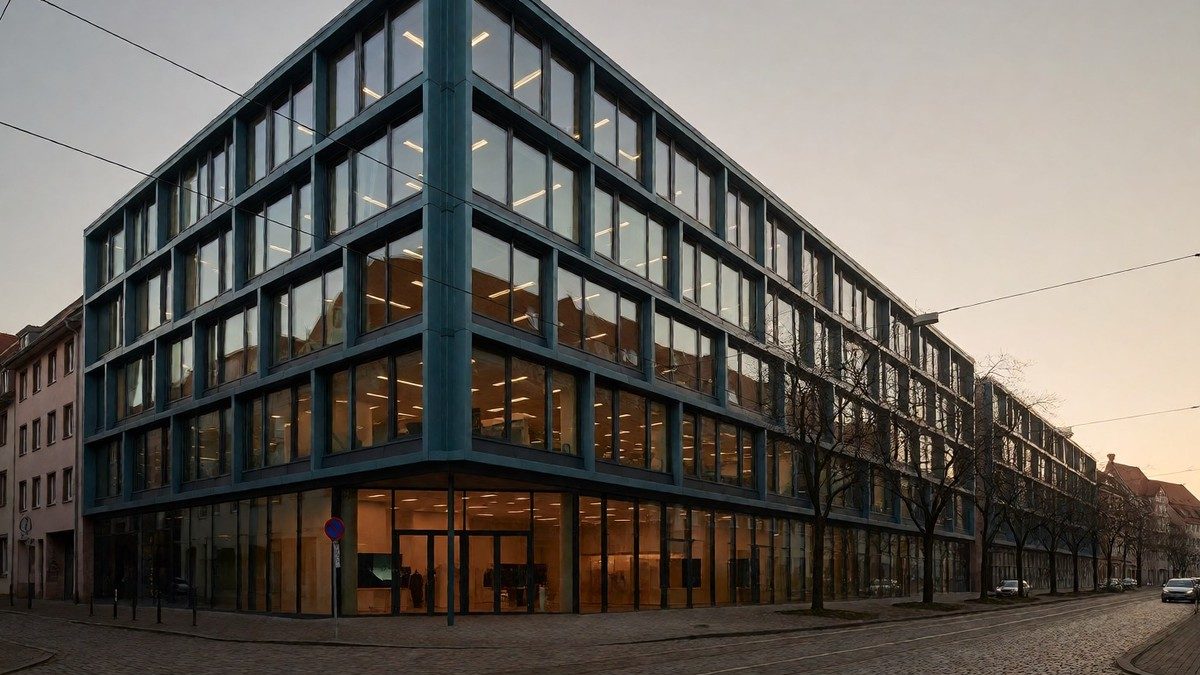
Roland Dyroff, Burchard Steinbild, Hubert Mantel, and Thomas Fehr founded the Software and Systems Development Corporation on September 2, 1992, in Nuremberg. The company’s first Linux product relied on the Slackware distribution and arrived on 40 floppy disks. SUSE released its own Jurix-based distribution in May 1996. Novell acquired the firm in 2003, the same year it purchased Ximian and SUSE Enterprise Linux. This acquisition included Ximian’s development of Linux applications like Evolution, Red Carpet, and Mono. In 2006, Novell signed a joint venture with Microsoft to expand the market for SUSE Linux and improve software compatibility. This agreement included a $348 million prepayment from Microsoft for patent cooperation and SUSE Linux subscriptions, plus $46 million annual for marketing. SUSE Linux Enterprise Server was the first Linux server to offer Xen-Hypervisor based virtualization. Novell also produced NetWare, a multi-platform network operating system. The Attachmate Group bought Novell in 2010 for $2.2 billion, and Micro Focus International merged with Attachmate in 2014. EQT Partners completed a $2.535 billion acquisition of SUSE in 2019. The company now employs nearly 1,750 people.
Rancher Prime and Kubernetes Management
SUSE expanded its cloud capabilities by acquiring Rancher Labs to lead in Kubernetes management. This acquisition combines SUSE’s Linux systems with Rancher’s multi-cluster management platform. Rancher earned a leader position in the Forrester Wave: Multicloud Container Development Platforms report in Q3 2020. The current Rancher Prime platform provides the Rancher Prime AI Assistant and delivers security through NeuVector to assist users. It also includes the SUSE Application Collection with certified Helm charts and container images. Does the reliance on the SUSE ecosystem prevent true vendor neutrality for large enterprises? You likely already know that managing Kubernetes at scale requires reliable lifecycle support. Rancher Prime provides 18-month lifecycles for releases from version 2.9 onwards. The platform provides FIPS-ready RKE2 images for Linux AMD64 architectures. It also includes the OCI Prime Registry with signed and trusted artifacts. Rancher Prime includes UI extensions and allows for easy company integration with SSO, RBAC, and LDAP/AD. NeuVector provides runtime security and image scanning for containers. Harvester is a cloud-native HCI platform built on Kubernetes. Rancher software serves more than 30,000 engineering teams worldwide.
| Tier | Annual Cost per Node | Support Level |
|---|---|---|
| Rancher Prime Standard | $1,200 – $1,800 | Business-hours |
| Rancher Prime Priority | $1,800 – $2,800 | 24×7 |
| Rancher Prime Custom | Negotiated | Specialized |
The Red Hat Rivalry and Pricing Shifts
Red Hat OpenShift competes directly with Rancher Prime in the enterprise market. While Red Hat uses a per-vCPU pricing model, Rancher Prime uses a per-node subscription. In 2025, SUSE moved Rancher away from node-based licensing to a CPU and vCPU-based model which caused significant changes for many users. This change forced many organizations to face cost increases of 4 to 9 times the previous rates. A single 16-core virtual machine that previously cost $2,000 per year now costs approximately $19,200 per year for standard support because the new model calculates costs based on CPU and vCPU units. The platform’s evolution under SUSE lacks the innovation needed to justify these massive price spikes. For bare-metal users, the per-socket model means one to two sockets now cost up to $9,800 for priority support. The "Suite" edition includes technologies like Longhorn and Harvester, and it reaches $13,100 per server for bare metal. VMware Tanzu uses a per-core model, which differs from Rancher’s approach. Red Hat OpenShift provides secure UPI images, container networking, and integration with Istio and GRPC. Priority support adds 15 to 25 percent to the cost per node. SUSE’s current strategy clearly favors enterprise scale through its bundled modules.