
Hinge failure after repeated use
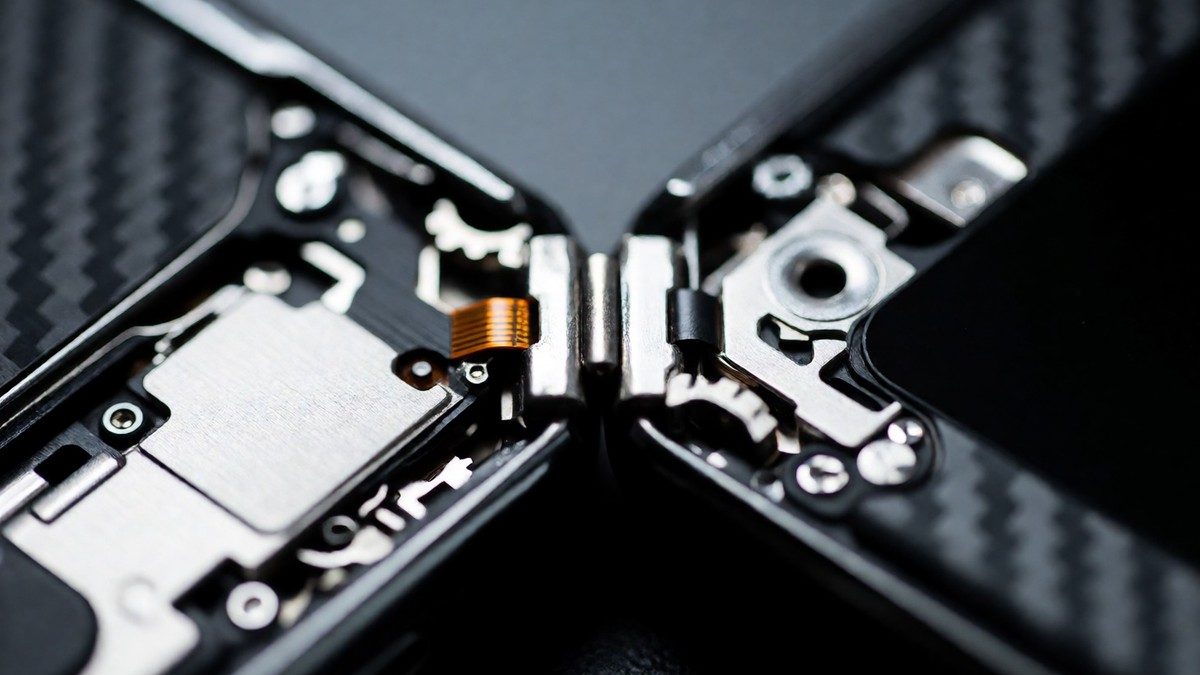
Samsung claims the Galaxy Z Fold 7 hinge survives 500,000 folds. YouTuber Tech-it put the device through 200,000 folds to test this claim. The results show significant mechanical failure well before the rated service life. After 6,000 folds, the device showed a reboot error. By 10,000 folds, the phone experienced a reboot error that reappeared at similar intervals. At 46,000 folds, the hinge made creaking noises. When the device reached 75,000 folds, an unknown black liquid leaked from the hinge. The speakers at the top, bottom, and earpiece stopped working completely at the 175,000-fold mark. These failures occur at a fraction of the promised durability. The testing used folding machines that do not mimic the varied force of real-world use, which may explain the discrepancy between the manufacturer claim and the results.
Structural weaknesses in slim designs
The slim design of the Galaxy Z Fold 7 introduces several mechanical risks. To achieve a weight of 201g, Samsung made compromises in structural reinforcement. Slim designs reduce tolerance for pressure or inadvertent bending during use. Early display units showed gap inconsistencies in the hinge area. Frequent folding puts microstrain on mechanical parts. The device carries an IP48 rating. This rating means it resists splashes but does not provide protection against fine dust. While the device is lighter than the Google Pixel 10 Pro Fold, the 201g weight necessitates structural compromises that increase the risk of hinge failure and internal component damage over time.
Vulnerable inner displays
The internal foldable screen is highly sensitive to pressure, torsion, and dust. Users must avoid pressing too hard on the screen. The surface scratches at level 2 on the Mohs scale. Even fingernails leave permanent marks. This vulnerability persists despite the 50% thicker Ultra-Thin Glass protective layer that Samsung uses. A single drop or intense pressure can damage the panel. Replacing this inner display costs between $400 and $600 out of warranty. This complexity makes the display the most expensive single repair for the device. If you spent $2,000 on this device, you likely expected better longevity.
High costs for device repairs
Protecting the investment requires careful planning regarding repair costs. Samsung Care+ offers cracked screen repairs for $29 per claim. Other claims may require a deductible between $99 and $199. Without Samsung Care+, users face much higher prices. Historical costs for inner screen replacements reach $600. A minor scratch or dent reduces the resale value of the device. Repair shops may refuse to fix hinge damage cheaply because of the complexity and risk involved. Many repairs require full disassembly, which increases the risk of collateral damage to other components.
Battery and internal component risks
Internal components face risks from the thin construction of the device. Dual ultra-thin battery cells are glued and delicate. If a user pulls them too forcefully, the cells can bend or rupture. The Galaxy Z Fold 7 uses a 4,400mAh battery and supports 25W wired charging. Repairing the camera or other modules requires disassembling much of the device. This process increases labor costs and the possibility of mistakes. The 4,400mAh battery is smaller than the 5,015mAh battery found in the Google Pixel 10 Pro Fold.
Hardware specifications and comparison
The Galaxy Z Fold 7 competes directly with high-end devices from Google.
| Feature | Samsung Galaxy Z Fold 7 | Google Pixel 10 Pro Fold |
|---|---|---|
| Base Price | $1,999.99 | $1,799 |
| RAM | 12GB | 16GB |
| Base Storage | 256GB | 256GB |
| Internal Battery | 4,400mAh | 5,015mAh |
| Weight | 201g | 258g |
| Main Camera | 200MP | 48MP |
| Dust Resistance | IP48 | IP68 |
The Z Fold 7 has a 2,184 by 1,968 resolution on its inner display. This provides a higher pixel density than the Pixel 10 Pro Fold, which has a 2,152 by 2,076 resolution. The Samsung inner display reaches 2,600 nits of brightness. The Google device reaches 3,000 nits. The Samsung camera includes a 200MP main sensor, whereas the Google camera uses a 48MP main sensor.
Market competition and growth
The foldable market in 2026 is led by a three-player race. Samsung holds a 32% share of the global foldable market. Apple’s iPhone Duo entered the market in September 2026 and is projected to capture 25% of the market. Huawei holds a 24% share. Motorola holds 8% and Honor holds 3%. Samsung’s market share saw a decline from 40% in 2025. Foldable smartphones generated $41.6 billion in revenue in 2026, which is an increase from $32 billion in 2025. The market is expected to grow to $66 billion by 2031.
Mechanical instability and verdict
The Galaxy Z Fold 7 remains a high-risk investment. Mechanical instability in the hinge and the extreme sensitivity of the inner display create significant concerns for long-term owners. The 201g weight comes at the expense of structural reinforcement and dust protection. While the device delivers high performance, the possibility of liquid leaks or total speaker failure after only 175,000 folds remains a reality. Can Samsung prevent these mechanical failures from affecting future generations?