Premium display specifications
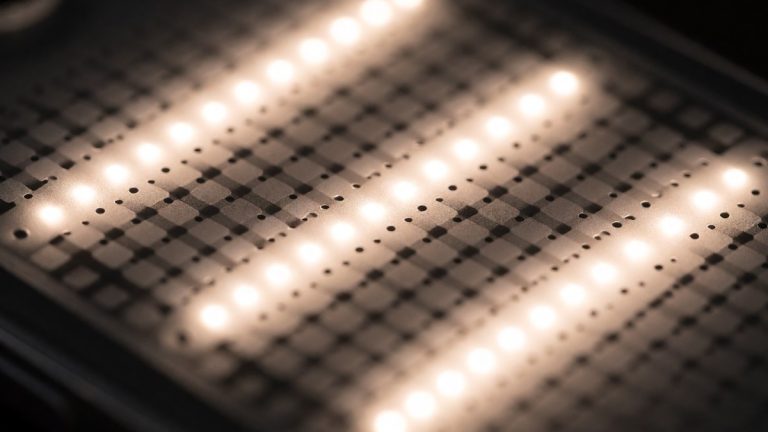
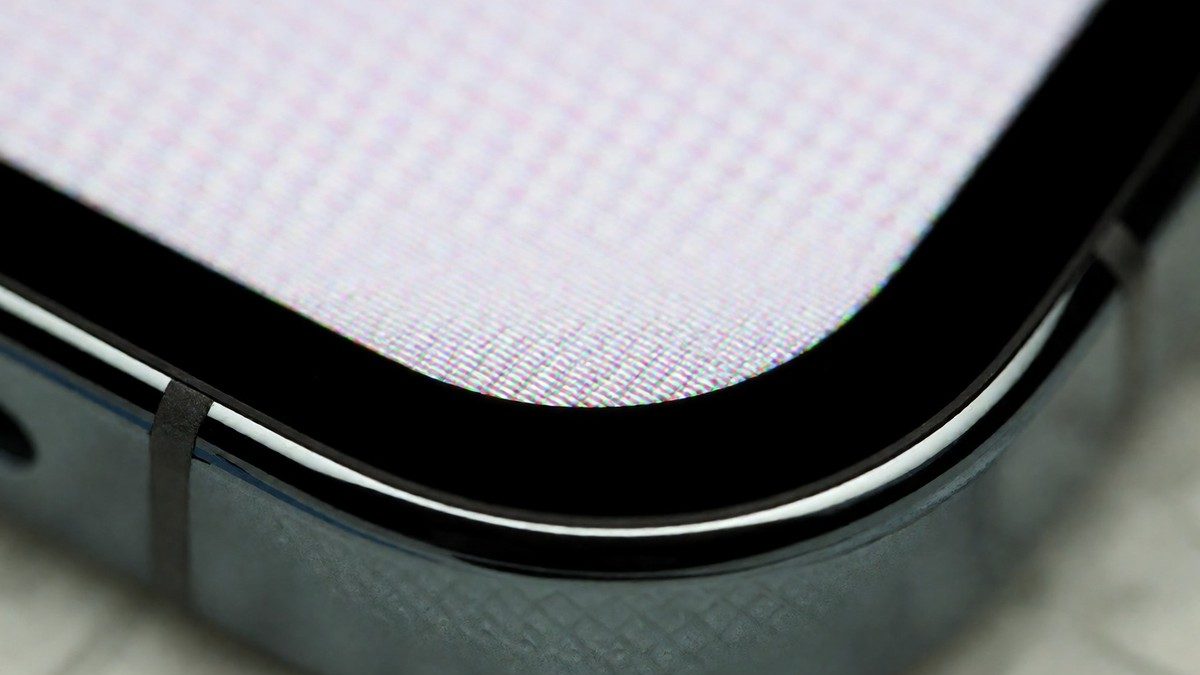
The iPhone 16 Pro models utilize Samsung’s M14 OLED panels to achieve 2000 nits of outdoor brightness. These screens measure 6.3 inches for the Pro model and 6.9 inches for the Pro Max model. High-end models also provide 1600 nits of peak HDR brightness. The resolution for the iPhone 16 Pro reaches 2622×1206 at 460 ppi, while the Pro Max reaches 2868×1220 at 460 ppi. Standard iPhone 16 and 16 Plus models use M12 OLED technology instead of the M14 panels. These non-Pro models lack the 120Hz ProMotion technology found in the Pro series. Consumers purchasing the base models receive 60Hz screens. This technical gap exists because Apple limits ProMotion to the higher-priced devices. You should note that Pro models show the slimmest borders in the current lineup. Future iPhone 17 models should include LTPO technology to enable variable refresh rates between 1Hz and 120Hz. This change will allow the 120Hz ProMotion feature to appear on standard versions too. The introduction of LTPO technology in 2025 should also enable Always-On displays for all models.
Repair economics and hardware costs
Repairing a cracked screen costs much more at an Apple Store than through independent technicians. Apple charges $379 for an iPhone 15 Pro Max screen replacement. iFixit provides a soft OLED kit for that model at $199.99. Replacing a screen with an LCD multitouch display for the iPhone 15 Pro Max costs $124.99 through iFixit. For many consumers who prioritize cost savings over perfect color reproduction, replacing a modern OLED screen with an LCD multitouch display can save an average of $200 compared to the official cost for Apple’s out-of-warranty repair service. Independent shops offer professional installation at a lower price point than the Apple Store. These providers often deliver same-day service, which beats the mail-in options that leave users without a phone for a week. However, attempting a DIY repair carries risks such as permanent damage to Face ID ribbon cables. One mistake with a plastic pry tool can destroy biometric security. Replicating the manufacturer’s water-resistance seals also presents a significant challenge for home users. For the iPhone 12, Apple charges $279 for a repair, while iFixit sells a soft OLED kit for $119.99. For the iPhone 11, iFixit kits for LCD replacements cost $74.99, saving $124 compared to Apple. For the iPhone 13 Pro Max, Apple charges $329, while iFixit sells a soft OLED kit for $139.99.
| Model | Apple Out-of-Warranty | iFixit Soft OLED | iFixit LCD |
|---|---|---|---|
| iPhone 15 Pro Max | $379 | $199.99 | $124.99 |
| iPhone 15 Pro | $329 | $154.99 | $99.99 |
| iPhone 14 Pro Max | $379 | $149.99 | $99.99 |
| iPhone 13 Pro Max | $329 | $139.99 | N/A |
| iPhone 11 | $199 | N/A | $74.99 |
Market strategy and future roadmap
Apple’s strategy centers on premiumization to manage rising costs for memory chips and high-end components. The company expects the iPhone 17 lineup to include LTPO displays on all models to allow for 120Hz ProMotion. This transition to OLED across all models should conclude by 2025. In the refurbished market, the iPhone 13 remains a popular choice because it balances performance and price. This model provides a modern experience without the high cost of the latest releases. Apple currently holds a 25% market share in the smartphone market as of Q4 2025. Sales in Greater China jumped 38% year-on-year to $25.53 billion in Q1 2026. The company also expects to capture 34% of the foldable market value in the first year of its foldable iPhone release. In the US, iPhones accounted for 54% of smartphone shipments in Q2 2025. Some analysts suggest Apple keeps ProMotion exclusive to the Pro line to protect its average selling price. This strategy forces users to buy more expensive models to access smoother scrolling and better power efficiency. The global foldable market is forecast to grow 30% year-over-year in 2026, boosted by the introduction of Apple’s first foldable iPhone. 27% of current iPhone owners express interest in a foldable device. Will the upcoming under-display Face ID technology arrive as early as predicted?