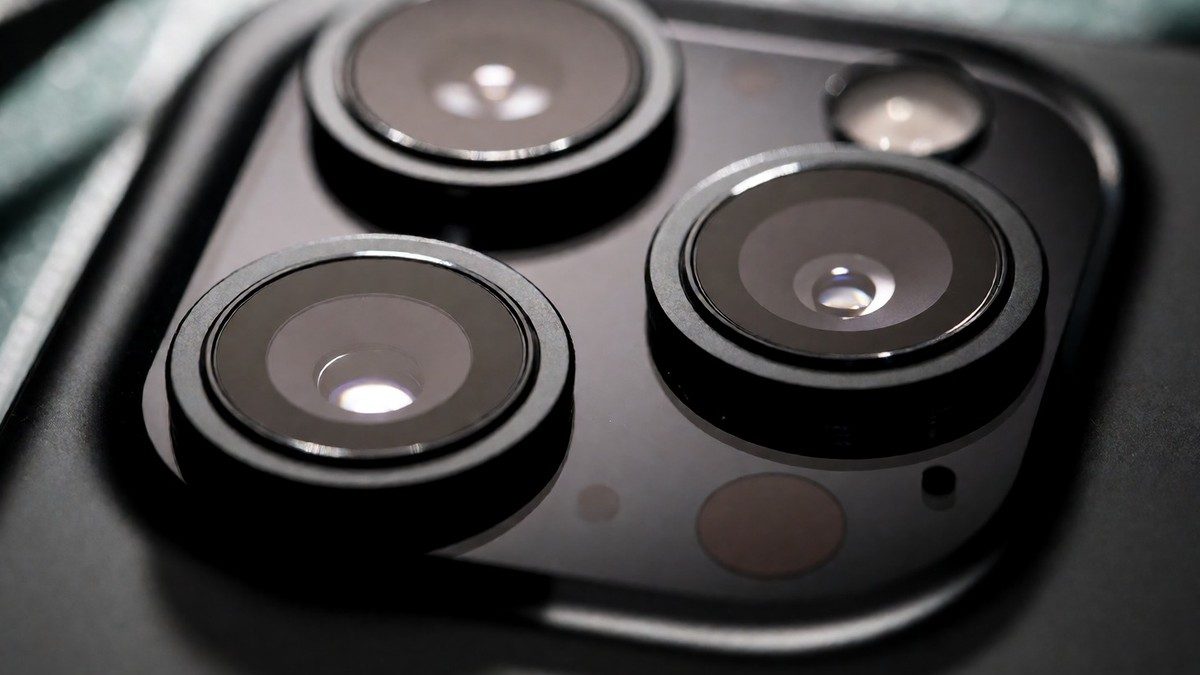
Carl Pei and Akis Evangelidis oversee the camera hardware implementation for the Nothing Phone 3. The device uses a triple camera setup with three 50MP sensors. The primary OmniVision OV50H sensor has a 1/1.3" size and an f/1.7 aperture. This sensor includes Optical Image Stabilization. The telephoto lens uses a Samsung ISOCELL JN5 sensor with a 1/2.76" size and an f/2.7 aperture. This lens provides 3x optical zoom and 60x ultra zoom. The ultrawide lens uses a Samsung ISOCELL JN1 sensor with a 1/2.76" size and an f/2.2 aperture. The front camera is a 50MP sensor with a 1/2.76" size and an f/2.2 aperture.
| Component | Sensor | Size | Aperture | Stabilization |
|---|---|---|---|---|
| Main (Wide) | OmniVision OV50H | 1/1.3" | f/1.7 | OIS |
| Telephoto | Samsung ISOCELL JN5 | 1/2.76" | f/2.7 | OIS |
| Ultrawide | Samsung ISOCELL JN1 | 1/2.76" | f/2.2 | EIS |
| Front (Selfie) | Samsung ISOCELL JN1 | 1/2.76" | f/2.2 | EIS |
The hardware layout places the telephoto lens in the top corner, separate from the main and ultrawide sensors. This misaligned design received mixed reactions. Carl Pei responded to design complaints by saying that users either like the design or they do not. The device has a 6.7-inch LTPO AMOLED display with a 120Hz refresh rate and 3000 nits brightness. This display is a 1.5k resolution panel. You know the hardware aims for a flagship experience, but the marketing failed.
The stock photo controversy
Retail demo units in New Zealand caused controversy when they displayed images from the stock photography service Stills. The controversy began when a screen recording from a demo unit in New Zealand showed five images under the tagline "Here’s what our community has captured with the Phone (3)" which misled buyers into thinking the phone’s camera took them. These images included a staircase, a woman, a window, glass, and a headlight. Investigation revealed that all five images are available for licensing on Stills. Roman Fox confirmed he captured the headlight photo in Paris in 2023 using a Fujifilm XH2s. He also shared the image on his Instagram last summer. Nothing licensed these images, but the presentation suggested the Phone 3 captured them. Akis Evangelidis said the company used stock images as placeholders during development. He explained that some demo units mistakenly kept these placeholders instead of real camera samples. Nothing is currently replacing these images in all demo units to ensure accuracy.
The images appearing in the demo units were unusually polished and looked like professional photography. One photographer stated that his photo of a car headlight was taken with a Fujifilm camera well before the Phone 3 announcement. Nothing did not deny the allegations regarding the images but said they would update the demo units. The company maintains that accuracy in product representation remains a priority.
Sensor disparity and performance
The Phone 3 uses a Samsung JN5 telephoto sensor, which is smaller than the Sony LYTIA 600 sensor in the Phone 3a Pro. This makes the Phone 3 telephoto performance lower than its mid-range counterpart. The device uses a Snapdragon 8s Gen 4 chipset, which is slower than the Snapdragon 8 Elite. It also contains a 5,150mAh battery and 16GB of LPDDR5X RAM. The phone supports 65W wired charging and 20W wireless charging. In India, the battery capacity is 5,500mAh. The phone also supports 5W reverse wireless charging. The camera is mediocre at best.
The telephoto lens produces sharp macro shots from 10cm away. The main sensor uses Dual Conversion Gain (DCG) HDR to capture shadow and highlight detail in a single exposure. However, the ultrawide lens is a fixed-focus model, which means it lacks the autofocus macro capability found on the Phone 2. The device also has a USB 2.0 port, which limits data transfer speeds for 4K video files. The phone is priced at approximately £800, Rs 90,000, or $799 for the base model. Will the company manage to win back consumer trust after these marketing mistakes?