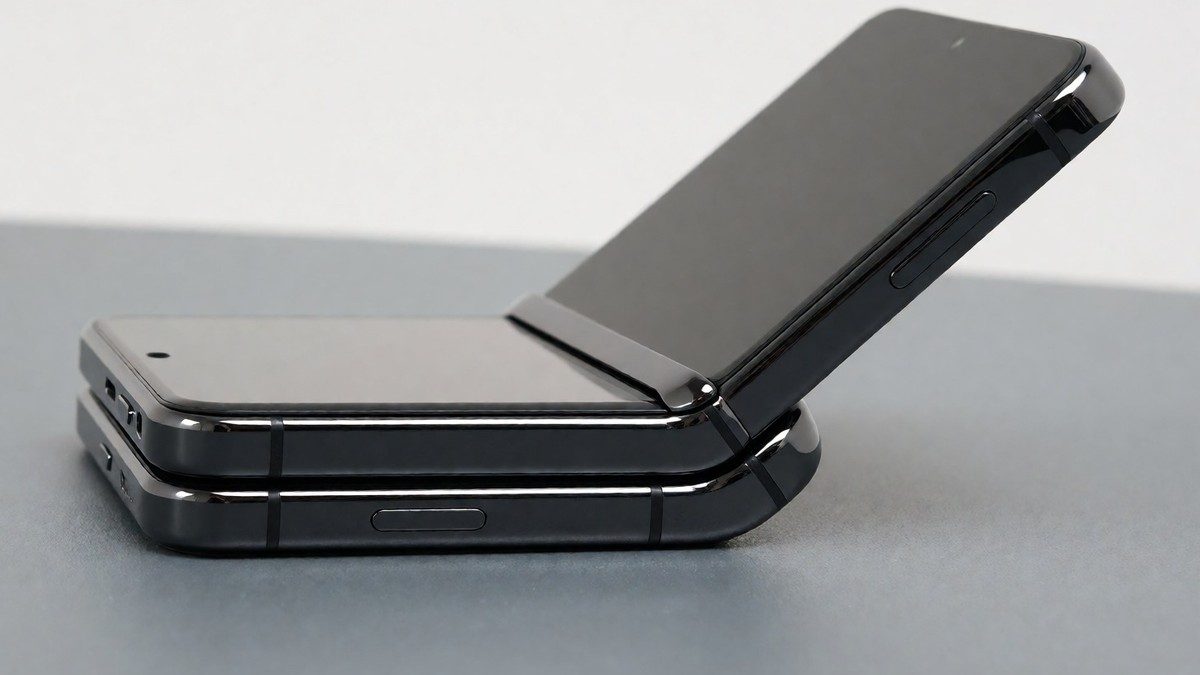
Multi-alloy steel forms the internal hinge of the Pixel 9 Pro Fold, while an aerospace-grade aluminum alloy covers the surface. JerryRigEverything tested this mechanism and found that the hinge remains strong, though it shows no improvement over the previous model. The device holds up well when closed, but pressure applied to the back when the phone stays open exposes a weakness. The antenna lines near the hinge cause the display to pop out rather than crack under pressure. This behavior mirrors the issues found in last year’s model, and Samsung’s Z Fold 6 manages similar tests with more resistance.
Under the cover screen sits the larger battery, while the other half of the device contains a smaller cell and the motherboard. A vapor chamber sits beneath the battery to manage heat dissipation. Most heat exits from the inside when the device closes, funneling from the Tensor G4 processor to the center of the device. The hinge construction uses materials that provide durability, even as the device stays extremely slim.
Display fragility and repair expenses
The Pixel 9 Pro Fold has a 6.3-inch Super Actua OLED external display and an 8-inch Super Actua Flex OLED internal display. Both panels use LTPO technology and provide a refresh rate between 1 and 120 Hz. The screens reach a maximum brightness of 2,700 nits. While the Gorilla Glass Victus 2 on the outer display scratches at level six, the inner Ultra-Thin Glass scratches at level two. Even fingernails cause damage to the inner panel. Because the device lacks dust protection despite its IP68 rating, sand or dirt can easily penetrate the device. You should probably keep a closer eye on your screen than your slab phone, given these vulnerabilities. The device comes in Obsidian and Porcelain colors, with the Porcelain model including golden undertones.
The most vulnerable component in a foldable phone remains the main display used when the device stays unfolded. Damage often occurs when users apply intense external force to a single point or trap fine sand particles against the screen. In the Japanese market, repair costs for these devices significantly exceed those of traditional high-end smartphones.
| Model | Type | Display Repair Cost |
|---|---|---|
| Pixel 10 Pro Fold | Book-style Fold | ¥132,000 |
| Galaxy Z Fold 7 | Book-style Fold | ¥88,000 |
| nubia Flip 3 | Clamshell Flip | ¥33,000 |
The Pixel 10 Pro Fold carries a repair price of approximately ¥132,000 because of limited replacement parts, which makes it one of the most expensive repairs for foldable devices in the Japanese market. This cost exceeds the ¥30,000 to ¥40,000 repair fees seen for typical high-end smartphones. Many users in Japan find purchasing insurance a necessity when they buy book-style foldables. Huawei’s Mate XT costs approximately ¥180,000, while the Samsung Galaxy Z TriFold reaches approximately ¥182,000.
Software updates and signal stability
The November 2026 software update for Pixel devices includes fixes for Bluetooth connectivity, Adaptive Connectivity Services, and the Google App. This update also addresses performance improvements for system applications and the home screen clock widgets. It contains a fix for the virtual keyboard not appearing during search input and fixes for media volume issues. The update also addresses a fix for the charging indicator displaying when no charger connects and improves fingerprint recognition stability. Despite these patches, some users report that the Pixel 9 Pro Fold struggles to maintain data connections and Wi-Fi signal strength even near routers. These owners experience Bluetooth issues and difficulty obtaining a cellular connection despite strong local coverage. Will Google engineers ever solve these hardware-related signal failures through software alone? The Tensor G4 processor and 16GB of LPDDR5X RAM power the device, but they cannot fix physical antenna interference.