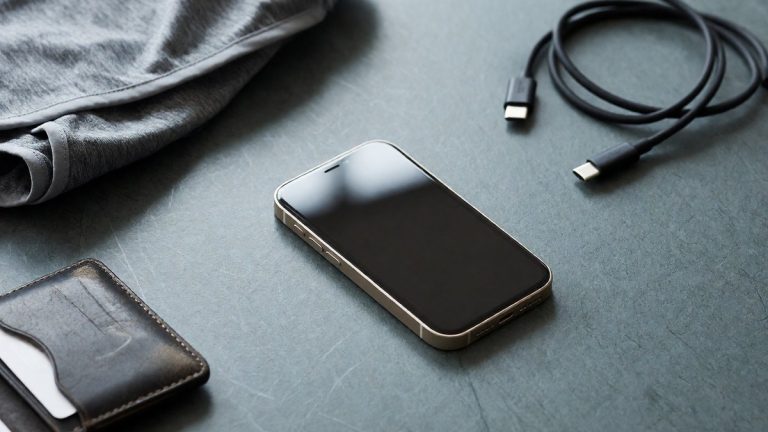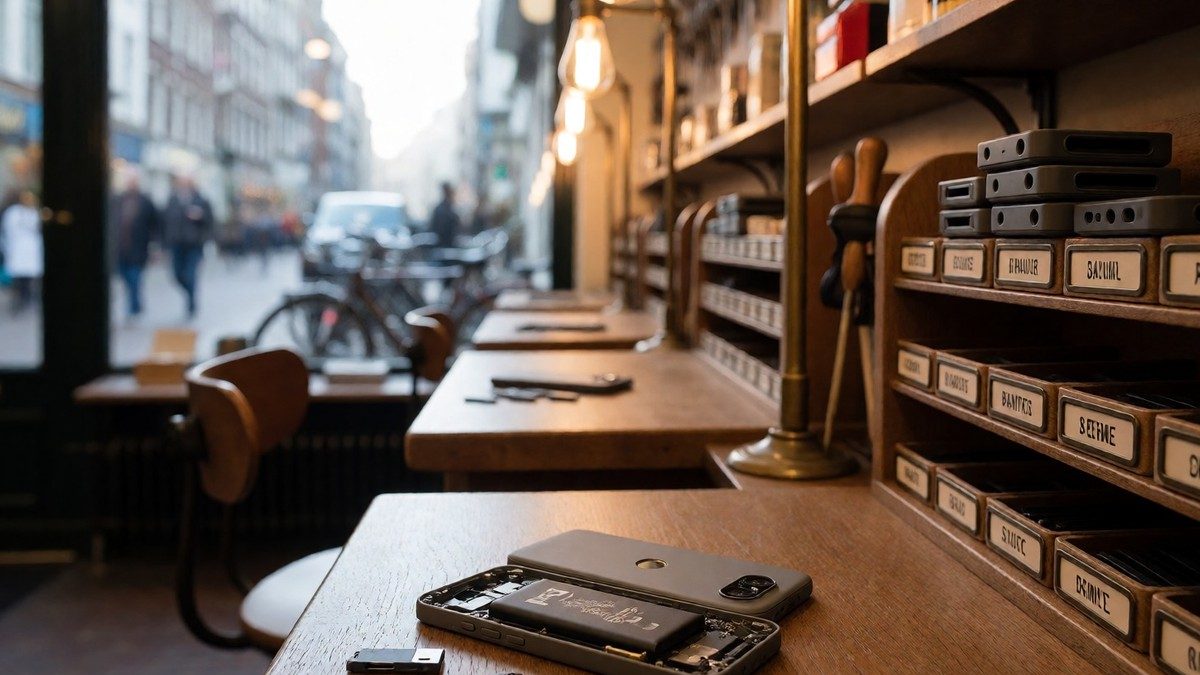
Fairphone expanded its flagship smartphone sales to the United States in August 2026. The Gen 6+ contains 12GB of RAM and uses a Qualcomm Snapdragon 7s Gen 4 platform. This device includes 12 user-replaceable parts and holds an A repairability class. Owners can replace the 4,415mAh battery, the display module, the back cover, and the USB-C port in under five minutes without technical expertise. This modularity shifts commercial value toward accurate diagnosis and post-repair testing instead of simple disassembly. The device also supports accessories like the Finger Loop, the Card Holder, and a low-profile Protective Case. Technicians can isolate a single faulty USB-C port without replacing a whole assembly. While users swap many parts, Fairphone directs repairs for microphones, side buttons, and the fingerprint sensor toward repair centers. The company promises software support until 2033. This hardware reaches a much larger consumer market than its previous European-only focus. Because the Gen 6+ allows technicians to replace a single module like a USB-C port in minutes, they can maintain better margins on repairs that previously required complex and costly board-level work. You should look closely at how these modular parts affect the long-term resale value of your device. Fairphone 4 remains available through various resellers where 128GB models cost approximately 579.00€ at MediaMarkt. This follows the legacy of the Fairphone 3, which earned a perfect 10 on the iFixit repairability index. That model used 50 percent recycled polycarbonate and included conflict-free minerals like tantalum, tin, tungsten, and gold.
| Model or Program | Metric |
|---|---|
| Fairphone Gen 6+ | 12 replaceable parts |
| Fairphone Gen 6+ | 4,415mAh battery |
| Apple Tool Rental | $49 per week |
| Pixel 6 Screen Kit | $119.99 |
| Pixel 5 Battery Kit | $49.99 |
The competition for DIY repair
Apple maintains a "Self Service Repair" program for the iPhone 14 lineup, the iPhone 12 and 13 models, the third-generation iPhone SE, M1 Macs, and the Studio Display. Users rent toolkits for $49 per week to perform DIY repairs. This program requires a "System Configuration" process through Diagnostics mode to ensure parts work correctly. iFixit competes in this space through partnerships with Google to sell parts for Pixel devices. These kits include the iOpener to help apply heat to components joined with adhesive. Google sells parts for the Pixel 2 through the Pixel 6 and 6 Pro. A Pixel 6 screen-replacement kit costs $119.99, while a battery kit for the Pixel 5 costs $49.99. Samsung and Valve also have partnerships to supply replacement parts for Galaxy devices and the Steam Deck. Although Apple allows DIY repairs, the program does not save much money over taking an iPhone to an Apple Store, and the specialized tools remain unique to each model.
Regulatory shifts and the used market
EU regulations since June 2025 require repairability labels for smartphones in classes from A to E. These labels show battery endurance, resistance to repeated drops, and ingress protection. Manufacturers must provide specified critical spare parts to professional repairers for seven years after sales end. Producers also give professional repairers non-discriminatory access to software or firmware for component replacement. The rules also require manufacturers to keep upgrades available for at least five years after they place the last unit of a model on the EU market. Longer-lasting hardware affects the used-device industry. A readily replaceable battery makes a fault less likely to end the commercial life of the phone. Refurbishers can find it profitable to fix devices that previously required intensive labor. Traders use MobiCHECK to review IMEI information against fraud-prevention datasets to avoid blocklist issues. Does the rise of modularity eventually eliminate the need for professional repair shops?