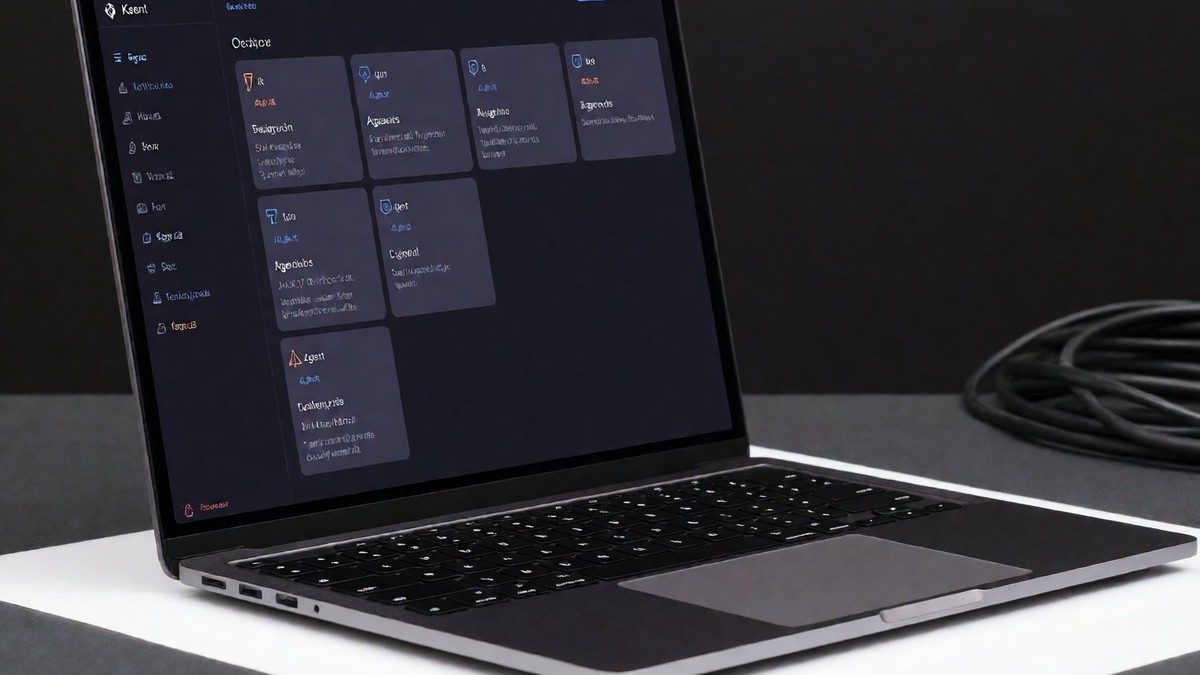
Codeium released Wave 12 for Windsurf to integrate Devin capabilities directly into its AI-native IDE. This update introduces the "Devin Desktop" experience, which functions as an agent command center for managing local and cloud agents through a single Kanban view. The release also brings "Devin Local" to users, a successor to the Cascade agent that the Cognition team rebuilt from scratch in Rust. This new local agent uses up to 30% less tokens than the previous version and supports subagents.
The Wave 12 update introduces "DeepWiki" to help engineers understand unfamiliar codebases through specialized cards. Users trigger these cards by hovering over symbols or using a specific click command to open explanations in the left-hand side panel. The update also adds "Vibe and Replace," a tool that applies AI prompts to text matches to perform context-aware transformations like renaming variables semantically. While these features aim to improve workflow, the transition from the legacy Cascade agent to Devin Local remains limited, as users can only continue using the old version until July 1st.
| Feature | Specification |
|---|---|
| Local Agent Efficiency | 30% more token efficient than Cascade |
| Supported LLM Models | GPT-5 (low, medium, and high reasoning) |
| DeepWiki Trigger | Hover or CMD/Ctrl+Shift+Click |
| Legacy Support | Cascade access ends July 1st |
| Integration | Devin capabilities and DeepWiki |
Agentic workflows and codebase reasoning
Windsurf operates as an agentic IDE where the AI functions through "AI flows," which describe collaborative agents. The built-in Cascade assistant handles debugging, refactoring, and documentation by maintaining real-time awareness of user actions. In Wave 12, the planning mode became automatic, meaning Cascade autonomously creates to-do lists in the chat to scope out long-running tasks without manual toggles. The update also improves the Tab autocomplete feature by using a new system for more frequent suggestions and an improved diff algorithm.
The IDE supports a wide range of programming languages, including Python, JavaScript, Java, C++, and TypeScript, along with frameworks like React, Node.js, and Django. Users can configure specific rules for Cascade Memories through the Windsurf Quick Settings panel. These include global rules applied to all workspaces and workspace rules for specific projects. For users working in Linux environments, the company currently offers WSL support in beta. The system also allows users to set an allow list or deny list for terminal commands that Cascade might attempt to run.
Competition with Cursor and enterprise capabilities
Windsurf distinguishes itself from Cursor by acting as a standalone, AI-first IDE rather than a fork of Visual Studio Code. While Cursor maintains full compatibility with the VS Code extension marketplace, Windsurf builds its own interface and integrated assistant. The developer team focuses on providing deep contextual awareness that allows Cascade to run on production codebases. This capability includes multi-file multi-edit functionality and LLM-based search tools that target performance beyond standard embeddings.
The enterprise-focused direction of the product involves several specific tools. The "Vibe and Replace" tool uses AI prompts to handle complex tasks such as removing feature flags or generating documentation. The IDE also introduces the ability to manage third-party agents that support the Agent Client Protocol (ACP). At launch, this protocol allows compatible agents like Claude Agent or OpenCode to run inside the editor. These third-party agents appear in the same Kanban view as Devin sessions and share context through Spaces. Can the integration of third-party agents truly match the native performance of the built-in Cascade assistant?
The new UI includes updated Chat and Cascade panels designed to help users scan agent trajectories and tool calls. Paid users can access the GPT-5 suite of models, which includes low, medium, and high reasoning versions, for a limited time. These features attempt to keep developers in their flow by reducing the need for manual context switching between the editor and the assistant.