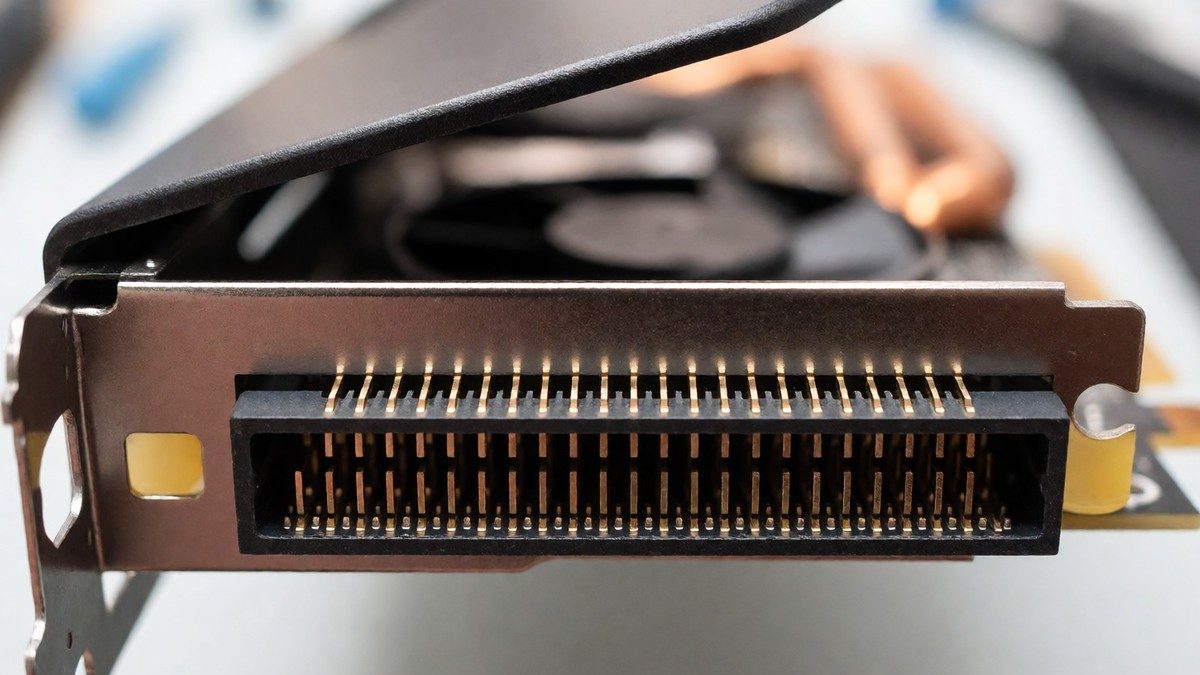
The Framework Laptop 16 now pairs AMD Ryzen AI 300 Series processors with a swappable graphics module, letting you swap hardware without replacing the whole machine. The current lineup includes the NVIDIA GeForce RTX 5070 Laptop GPU and the second-generation AMD Radeon RX 7700S. Both modules connect via a PCIe x8 interface in the rear Expansion Bay, which increases the laptop’s thickness to 21.95mm when installed. This design allows for generation-over-generation upgrades, a capability that has historically been missing from most gaming laptops. I find this approach far more practical than buying a new chassis every two years.
Choosing your graphics card
The RTX 5070 module costs $699 and delivers up to 40% higher gaming framerates than the older Radeon RX 7700S option. It supports NVIDIA technologies like DLSS and CUDA, which significantly improve performance in games with ray-traced lighting effects. However, the mobile version of the RTX 5070 is technically the same chip as the desktop RTX 5060, equipped with only 8GB of RAM. This memory limit means it cannot handle 4K resolution in most modern titles and may struggle to utilize the full potential of the internal 165Hz 1600p screen. Professional workloads requiring more graphics RAM will also find this configuration lacking.
The AMD alternative remains available at a lower price point, with some users noting a $300 savings compared to the Nvidia option. I would skip the bonus buy if you need maximum frame rates, but the AMD card is solid for general use. The new modules feature a different fan and cooling design than the original units, using Honeywell phase change thermal interface material to support 100W sustained TGP. This improved thermal system helps cut noise while maintaining performance under load. If you are already running a first-generation unit, the new cards are backwards compatible, so you can upgrade without changing your motherboard or chassis.
| Feature | RTX 5070 Module | RX 7700S (2nd Gen) |
|---|---|---|
| Price | $699 | Lower cost |
| Performance Gain | Up to 40% over RX 7700S | Baseline |
| VRAM | 8GB | 8GB |
| Key Tech | DLSS, CUDA, G-SYNC | FreeSync |
| Compatibility | Backwards compatible | Backwards compatible |
Installation and system integration
Installing a new module takes about two minutes, involving sliding the card into the Expansion Bay and securing it. The laptop continues to support up to 96GB of DDR5-5600 memory and dual M.2 SSDs, allowing for storage expansion up to 10TB. The updated mainboard drives four simultaneous external displays and includes Wi-Fi 7 connectivity via an AMD RZ717 card. A new default 240W USB-C power adapter supports the latest USB-PD 3.1 spec, ensuring the system sustains full load operation without draining the battery. This is a notable jump from the previous 180W adapter.
One significant drawback is the availability model; Framework does not let you order out-of-stock items directly. Instead, you must wait for stock to replenish and press the buy button quickly enough to secure a unit. This creates a frustrating experience for buyers who want immediate upgrades. The laptop also offers a "Dev Kit" option for OCuLink connections, though this is intended for enthusiasts rather than casual users. It requires a separate desktop power supply and involves 3D printing custom stands. I question whether the complexity of the OCuLink setup is worth it for average gamers, given the convenience of the internal module. The ecosystem relies heavily on one brand for incremental upgrades, which demands a lot of trust from investors.
If you prioritize Linux compatibility, the AMD GPU tends to run more smoothly, while NVIDIA drivers have historically presented challenges with graphical artifacts on Wayland. The keyboard and trackpad areas have also been refined into single-piece modules, improving the overall aesthetic of the device. Whether the premium price tag justifies the long-term value depends on how often you plan to upgrade components.