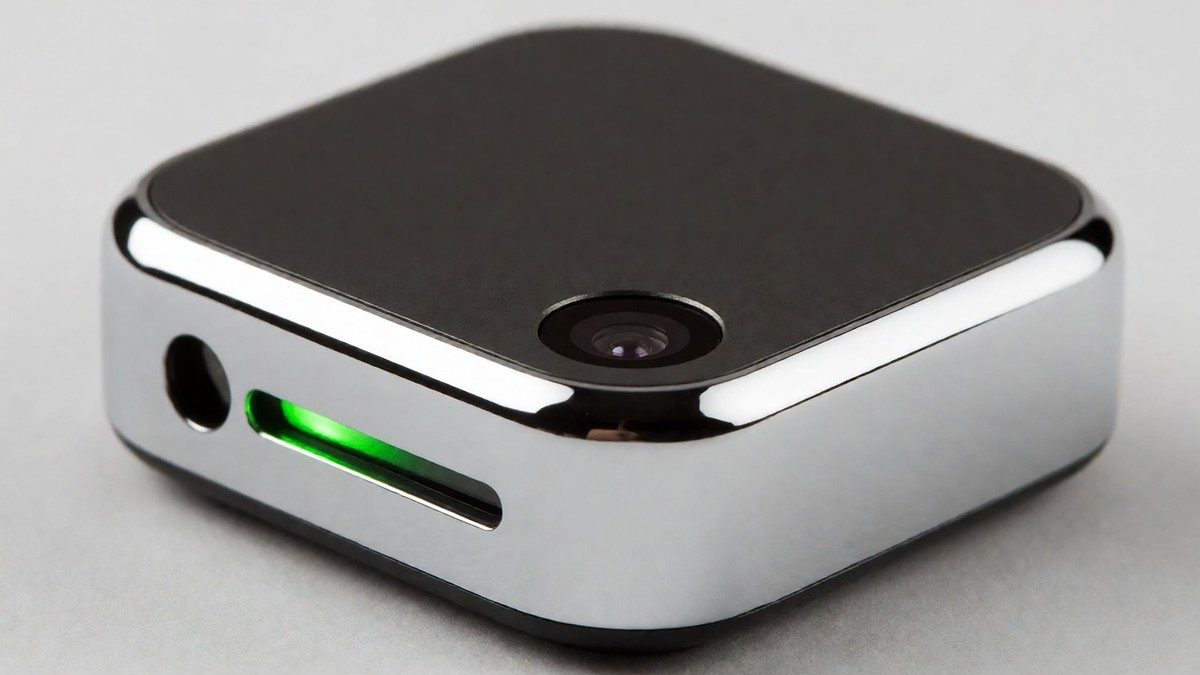
The $699 base model of the first-generation Humane Ai Pin is dead. The device launched in April 2024, but Humane discontinued it at the end of February 2025, giving users only ten days’ notice before the hardware turned into a brick. This abrupt end came as HP acquired the company for $116 million, purchasing the CosmOS AI platform and over 300 patents while explicitly excluding the physical pin from the deal. I find this timeline disorienting because the market still discusses the "second generation" as if it is imminent, yet no such product exists today. The original unit required a mandatory $24 monthly subscription for cellular data on T-Mobile’s network, meaning early adopters spent at least $1,000 on a device that stopped working less than a year after purchase. The failure was total; the laser projector could not beat sunlight, the battery life averaged four to five hours without boosters, and the AI responses were often slow or incorrect.
What you need to know before buying anything similar
If you are considering an AI wearable now, the lessons from the Ai Pin’s collapse are blunt. The device ran on a Qualcomm Snapdragon 720G processor with a dedicated AI engine, which handled computations locally to reduce latency, but the hardware overheated quickly during back-to-back requests. Reviewers noted that the chrome edges felt burned against skin, forcing the device to shut down for cooldowns. The screenless design relied on a green laser projection onto the user’s palm, a method that proved unreadable outdoors and difficult to navigate with tilt and pinch gestures. One user described the experience as walking a social tightrope with no net, especially when the device misidentified contacts and sent messages to the wrong person. The lack of integration with standard smartphones meant users had to manage content through a web portal rather than a native app, adding friction to every task.
| Feature | Specification |
|---|---|
| Processor | Qualcomm Snapdragon 720G |
| Display | Laser ink projection (720p) |
| Connectivity | T-Mobile MVNO |
| Battery Life | 4-5 hours (up to 9 with booster) |
| Price | $699 base / $799 premium |
The pricing structure made the device inaccessible for casual use. At $699 plus $24 per month, the cost rivaled high-end smartwatches but offered fewer core functions. The camera quality was poor in dim light, and the speaker volume was inadequate for public spaces. Tidal was the only supported music service, and even that connection was frequently broken. I would skip any new entrant that ignores these specific failures. The form factor demands voice interaction, which is socially inappropriate in meetings or loud environments, limiting the device’s utility to quiet, private moments.
Why the concept failed despite strong backing
Sam Altman backed the company with a 14 percent stake, lending credibility to the project, but the execution fell short of the hype. The founders, former Apple employees, prioritized sleek design over functional reliability, chilling prototypes on ice packs to extend demo times for investors. Internal culture discouraged dissent, leading to the dismissal of engineers who raised concerns about power consumption. The product shipped before reaching a minimum viable state, missing critical features like calendar integration and timer support. While some long-term users found the device useful for niche tasks like real-time translation or gaming tips, the general consensus was negative. The Verge graded it 4/10, and CNET refused to issue a formal review due to its unfinished nature. The question remains whether a simpler, cheaper device without a laser display can succeed where the Ai Pin failed.