Revenue growth and the valuation gap
Notion reached $600 million in annual recurring revenue by December 31, 2025, an 83% increase over the previous year. While a January 2026 employee tender valued the company at $11 billion, secondary markets placed the valuation between $6 billion and $8.5 billion during 2025 and 2026, creating a significant discrepancy between primary and secondary marks. This valuation gap suggests a disagreement between inside investors and outside traders regarding the actual worth of the company. As of July 2026, Notion maintains over 100 million users and 4 million paying customers. AI-paying customers accounted for 50% of Notion’s annual recurring revenue by the end of 2025, which exceeds the 10% to 20% range seen in 2024. The company operates from San Francisco and employs 660 people as of late 2024.
Autonomous agents and the Mail shutdown
The company released autonomous AI agents in September 2025, and more than 1 million Custom Agents existed by mid-2026. This momentum follows the February 2026 launch of Custom Agents. This rapid adoption of agentic workflows matches the fact that 70% of marketers plan to increase investment in AI-powered automation tools. However, Notion announced the shutdown of Notion Mail on June 25, 2026, and the service ended on September 22, 2026. More than half of users stopped opening the inbox, so the company let AI agents handle email directly. This pivot shows that Notion prioritizes the data layer over single interfaces. You probably already know that such shifts can alienate users. Productivity gains remain significant as automation lifts sales productivity by 14.5% on average. Companies that nurture leads with automation see up to 451% more qualified leads, and nurtured leads make 47% more purchases than leads that get no follow-up. The marketing automation market reached $8.44 billion in 2026, and it is projected to rise to $21.7 billion by 2032. This growth is driven by the fact that 68% of marketers expect their automation budget to increase this year.
The competition with Microsoft Loop
Microsoft Loop targets the Microsoft 365 ecosystem by allowing users to share components across Teams and Outlook. Notion maintains a lead in customization because its database engine supports relational data structures, whereas Loop only provides flat tables. Notion provides more block types, including toggles and callouts, while Loop keeps its library simpler. Notion also has a massive ecosystem of thousands of community templates, but Loop’s library grows more slowly. Notion’s Developer Platform beta opened in May 2026 to plug in external agents like Claude Code and Cursor.
| Feature | Notion | Microsoft Loop |
|---|---|---|
| Database Capability | Relational databases | Flat tables and checklists |
| Template Library | Extensive community ecosystem | Small and growing slowly |
| Third-party Integrations | Slack, GitHub, Jira, Zapier | Microsoft 365 apps |
| Public Web Publishing | Yes via Notion Sites | No |
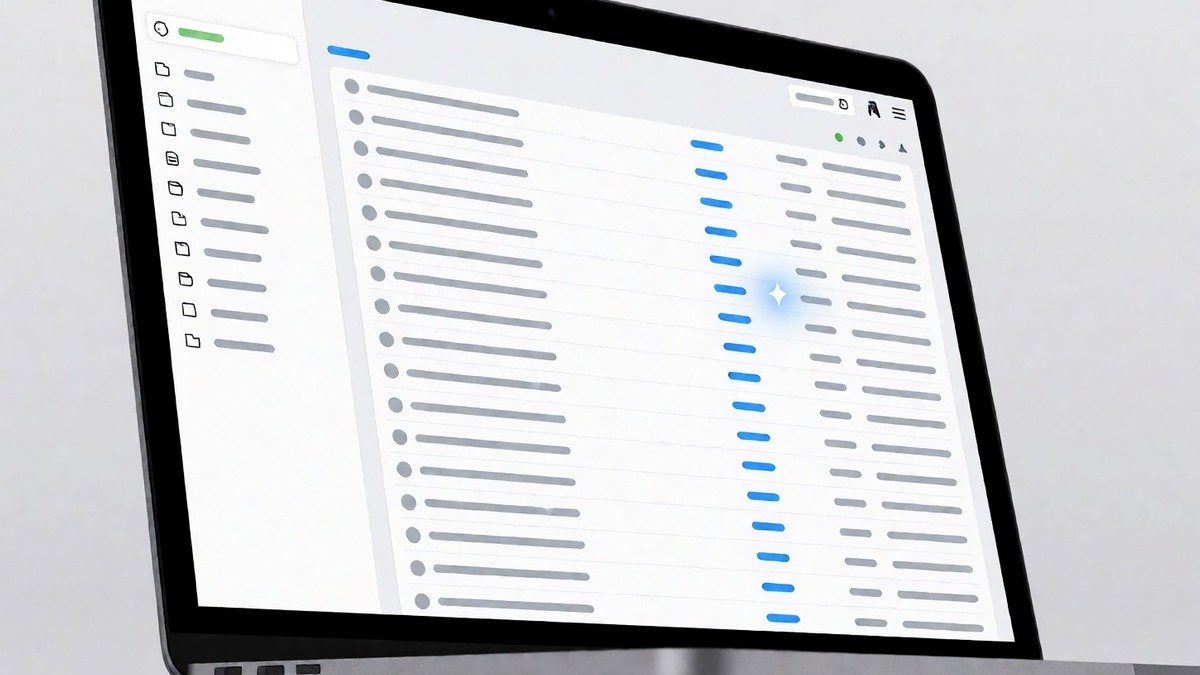
Notion allows users to publish pages as websites, but design control remains minimal and SEO performance stays weak. A hacker claimed to have stolen 110 million Notion user records around June 30, 2026, though Notion disputes this. Notion’s database engine allows users to view data as a table, board, calendar, gallery, list, or timeline. Microsoft Loop has no native database functionality, which forces users toward Microsoft Planner or Project for project management. Notion AI can auto-fill database properties. Microsoft Copilot is a powerful option for enterprise teams with Microsoft 365 Copilot licenses. Notion’s integration with tools like Slack, GitHub, and Jira provides more flexibility than Loop’s Microsoft-centric focus. Performance slows once databases reach thousands of entries. Will the company resolve this security issue before more enterprise teams migrate to Microsoft?