A new hardware architecture
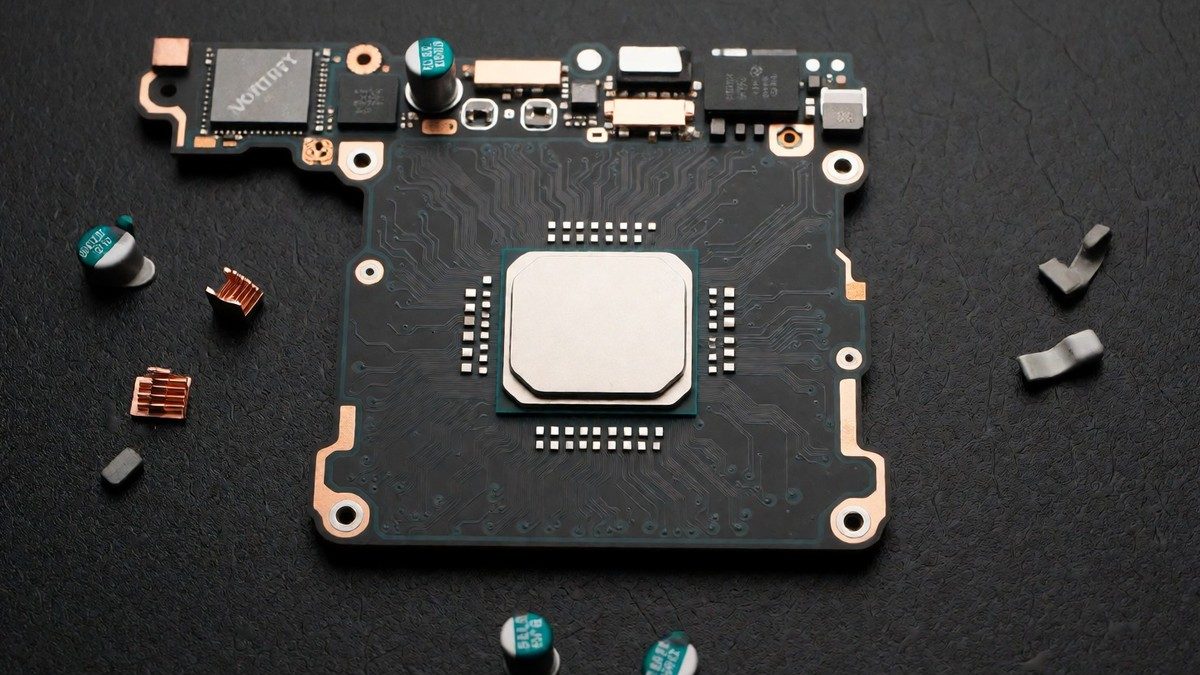
MediaTek’s Dimensity 9400 changes the mobile market through its 3nm manufacturing process. This chip uses an all-big-core design to manage heavy computational workloads. While the Snapdragon X2 targets thin, light tablets, the Dimensity 9400 targets high-end smartphones. The architecture relies on Cortex-X4, A720, and A520 cores to maintain high speeds. This design differs from the hybrid core models of recent years. The increased transistor density allows for higher performance in a smaller package. This shift to 3nm technology helps the device handle demanding tasks. The chip delivers the bandwidth necessary for the most intense mobile applications. The high-performance cores ensure that the processor handles complex instructions without delay. This density of transistors allows for more efficient electrical paths within the silicon. The 3nm fabrication uses a new transistor structure that increases the gate control over the channel. This structure reduces leakage current and improves the energy efficiency of each core. The Cortex-X4 cores deliver the high single-thread performance needed for intensive gaming and complex calculations.
Generative AI and computational power
Generative AI drives the primary utility of the Dimensity 9400. The APU 780 NPU handles complex AI models locally on the device. This prevents the need for cloud-based processing for many tasks. Because the NPU handles all the generative AI tasks locally, the device maintains user privacy and reduces the latency that typically comes with cloud-based processing for all mobile interactions. This capability enables real-time photo editing and advanced language processing. The NPU, known as the APU 780, performs massive operations for generative AI. This specialized hardware handles the complex math required for large language models. The chip processes these models without sending data to external servers. The ImagiN engine in the ISP manages advanced image processing tasks. This engine handles 8K video capture and real-time noise reduction. The GPU, the Immortalis-G925, includes hardware-accelerated ray tracing. This allows for realistic lighting and shadows in mobile games. The GPU also supports variable rate shading to improve efficiency during gameplay. This shading technique allows the GPU to allocate more resources to parts of the image with high detail. The Immortalis-G925 handles lighting calculations with high precision. The APU 780 uses a specialized architecture to accelerate the mathematical operations required for diffusion models. This allows the chip to generate images from text prompts in seconds. The Immortalis-G925 GPU also manages advanced geometry shading to enhance the complexity of 3D environments.
Market position and performance
The Dimensity 9400 competes with flagship processors from Qualcomm. It delivers a high-performance option for mobile manufacturers. The all-big-core architecture delivers high peak performance. However, the high power draw of the design increases thermal output during sustained gaming. This heat production can lead to performance throttling in certain conditions. The chip supports the latest connectivity standards for high-speed data. The LPDDR5X memory subsystem ensures high bandwidth for data-heavy applications. The high-speed modem integrates advanced antenna technologies to maintain signal strength in congested areas. How will thermal management evolve for future all-big-core designs?
| Component | Specification |
|---|---|
| Process | 3nm |
| CPU Cores | Cortex-X4, A720, A520 |
| GPU | Immortalis-G925 |
| NPU | APU 780 |
| Memory | LPDDR5X |