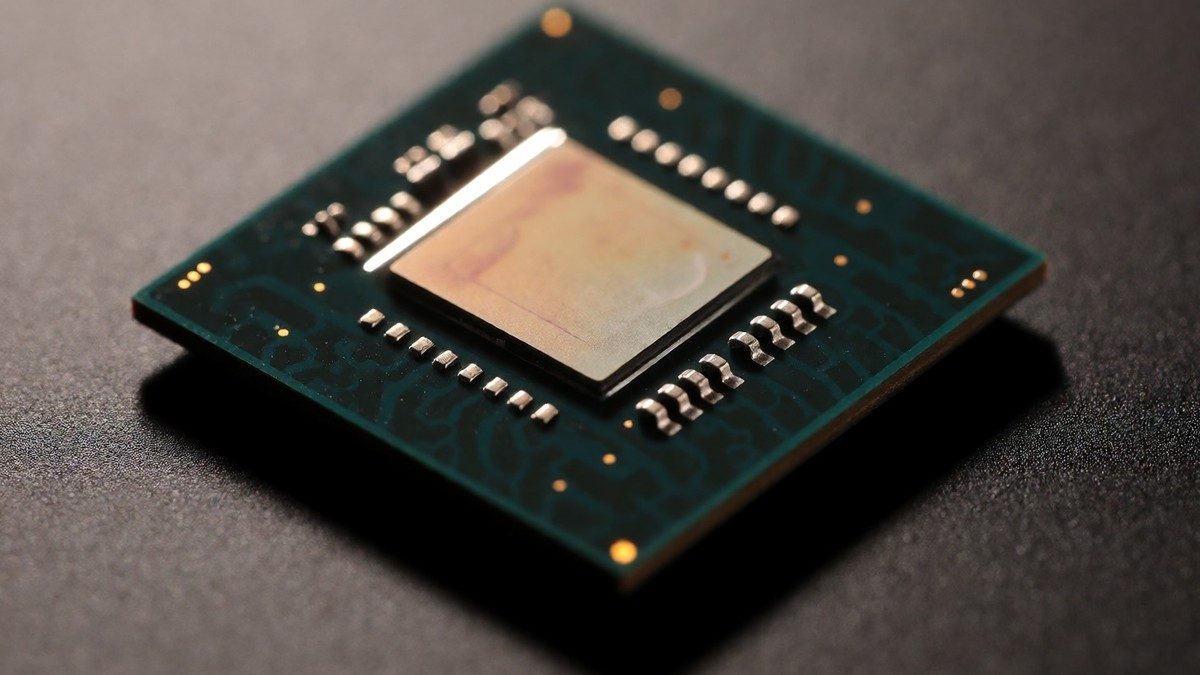
The Tensor G4 provides an 11.5% single-core boost and a 6.1% multi-core boost over the Tensor G3. This generational stagnation occurs because Google uses Samsung’s FOPLP packaging instead of the more advanced FOWLP. This choice limits heat dissipation. Because the chip stays hot, the operating system aggressively clocks down the primary CPU cores to prevent hardware degradation. 28% of negative buyer sentiments focus on overheating and related issues. Users playing games like Diablo Immortal see temperatures rise above 110 degrees Fahrenheit. After four minutes of stress, the Pixel 9 Pro XL performance falls by almost 60%. This drop stabilizes at 65% of the maximum capacity. The processor loses over half its maximum performance in less than four minutes when users run demanding games. Apple’s and Qualcomm’s latest silicon is about 33% faster than the Tensor G3 when it comes to multi-core CPU performance. The Tensor G4, codenamed "Redondo", is a semi-custom processor built with Samsung and uses Arm for CPU and GPU cores. The Tensor G4 is a disappointment for heavy gamers.
Technical Specifications and Efficiency
The single-core performance of the G4 is roughly 10% faster than the G3. This increase helps with responsiveness during everyday tasks like opening apps. The Tensor G4 utilizes a Samsung 4nm process and an eight-core architecture comprising one Cortex-X4 core at 3.1GHz, three Cortex-A720 cores at 2.6GHz, and four Cortex-A520 cores at 1.95GHz. The new Exynos 5400 modem provides 50% better efficiency than the previous 5300 modem. This modem supports 3GPP Rel. 17 and enables satellite communication for SOS messaging. The chip delivers an AnTuTu score between 1.07 and 1.17 million points. This score lags far behind the Snapdragon 8 Gen 3, which reaches 2.34 million points. The Mali-G715 GPU provides a minimal 4.5% to 8% graphics improvement for the Pixel 9 and Pro XL models, though its peak performance remains 50% of the Snapdragon 8 Gen 3’s Adreno GPU. The Pixel 9 Pro models reserve 3GB of RAM specifically for Gemini AI. The single-core score for the standard Pixel 9 hit 1,635 on Geekbench. The Gemini Nano on-device processing reaches 45 tokens per second. Will these modem improvements actually solve the power drain during high-frequency band hunting? You should check if these modem improvements actually solve the power drain during high-frequency band hunting.
| Component | Specification |
|---|---|
| Primary Core | Arm Cortex-X4 (3.1GHz) |
| Efficiency Cores | 4x Arm Cortex-A520 (1.95GHz) |
| GPU | Arm Mali-G715 |
| Modem | Exynos 5400 |
| AI RAM (Pro) | 3GB |
Mitigating Performance Dips
Aggressive 5G polling and background AI tasks drive thermal runaway, and forcing the device to a rock-solid LTE carrier profile reduces modem operating temperatures by as much as 4 to 6 degrees Celsius during active data transfers. Background processes like Android System Intelligence and diagnostic telemetry also keep the processor from reaching deep idle power states. Re-compiling stale app packages via the Android Debug Bridge command adb shell cmd package compile -m speed-profile -a reduces core utilization. The LTPO display governor can also cause issues. When the device approaches thermal thresholds, the thermal engine tells the display manager to throttle down to 60Hz, but user input requests 120Hz. This conflict causes jittery touch responsiveness and erratic scrolling dynamics. The transition to the Laguna chipset in 2025 involves a shift to TSMC. This new Laguna processor will use a 3nm process.