Unrivaled repairability scores
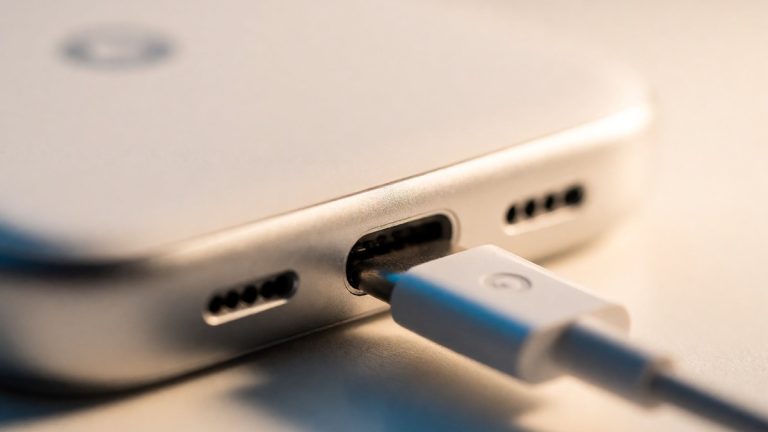
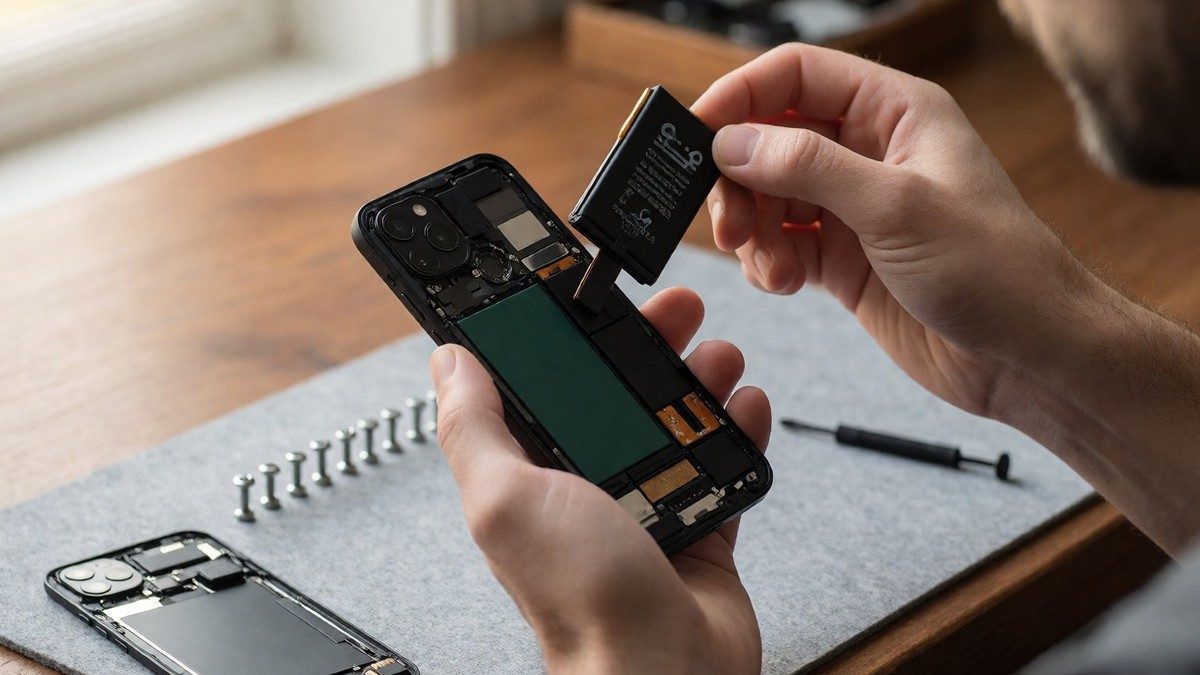
iFixit gave the Fairphone 6 a 10/10 repairability score. I find this score significant because most high-end smartphones receive scores between 3 and 5 due to glued batteries and sealed casings. You can disassemble this device in less than five minutes using a single T5 Torx screwdriver. The design includes 12 user-replaceable parts, such as the battery, display, USB-C port, and cameras. Because the Fairphone 6 uses a screw-based assembly instead of the heavy adhesives found in most modern smartphones, I can replace the screen or the USB-C port without needing professional tools or expensive service center visits. Removing the battery requires only seven screws and two minutes of work. The display also connects without glue, so removing eight screws and the top half of the back panel allows for a quick swap. While most components are modular, the only part that requires opening the motherboard involves the power and volume keys. The USB-C port stays separate from the motherboard, which simplifies one of the most common repairs. Every component stays available as an official replacement part with international shipping.
Hardware and longevity
Fairphone uses recycled plastics for the frame and back cover. The internal circuitry contains Fairtrade gold, conflict-free tin, and tungsten. The company uses responsibly sourced cobalt and lithium for the battery.
| Specification | Fairphone 6 / 6+ Details |
|---|---|
| Display | 6.31-inch LTPO OLED, 1116 x 2484, 120Hz |
| Processor | Snapdragon 7s Gen 3 or Gen 4 |
| Memory | 8GB or 12GB RAM |
| Storage | 256GB with microSD expansion up to 2TB |
| Battery | 4415mAh, 30W wired charging |
| Camera | 50MP main, 13MP ultrawide, 32MP selfie |
| Software | 7 to 8 years of updates |
At least 70% of the materials come from ethical, recycled, or certified sources, including aluminum, magnesium, nickel, zinc, copper, and indium. The company offsets remaining emissions by supporting Gold Standard climate projects. The company promises 7 to 8 years of software updates, which extends the device lifespan through 2033. For every phone sold, Fairphone takes one back to reduce e-waste. The modular back panel system accommodates accessories like a finger loop, card holder, or lanyard. These accessories attach with sturdy screws rather than magnets or adhesives. The camera system includes a 50MP stabilized main lens and a 13MP ultrawide lens with optical image stabilization. You can also access the Fairphone Moments feature to reduce distractions by limiting notifications to five specific apps.
The hardware trade-offs
The Fairphone 6 lacks the raw power of an iPhone 16. The Snapdragon 7s Gen 3 chip provides mid-range performance. The USB port relies on slow USB 2.0 speeds. I find the IP55 rating disappointing because it only protects against splashes and dust, whereas the iPhone 16 provides better water resistance. The device also weighs 193g, which exceeds the 170g weight of the iPhone 16. Apple typically supports iPhones with major updates for a maximum of 5 years, while Fairphone provides 8 years of security patches. The Fairphone 6 display reaches 1400 nits of peak brightness, which is lower than the 1600 or 2000 nits found on the iPhone 16 series. The phone does not include a charger or a cable in the box. It also lacks wireless charging and a 3.5mm headphone jack. The Fairphone 6 costs 599 Euro in Europe, but the price rises to 899 Dollars in the US. For users seeking better multitasking, the Gen 6+ version provides 12GB of RAM and a Snapdragon 7s Gen 4 processor. The iPhone 16e has a 6.1-inch screen and a 48MP camera, but it lacks the modularity of the Fairphone. You should check your carrier compatibility before you buy, as the US model only supports AT&T and T-Mobile. Will users sacrifice peak performance for a phone they can fix themselves?