The sudden loss of function
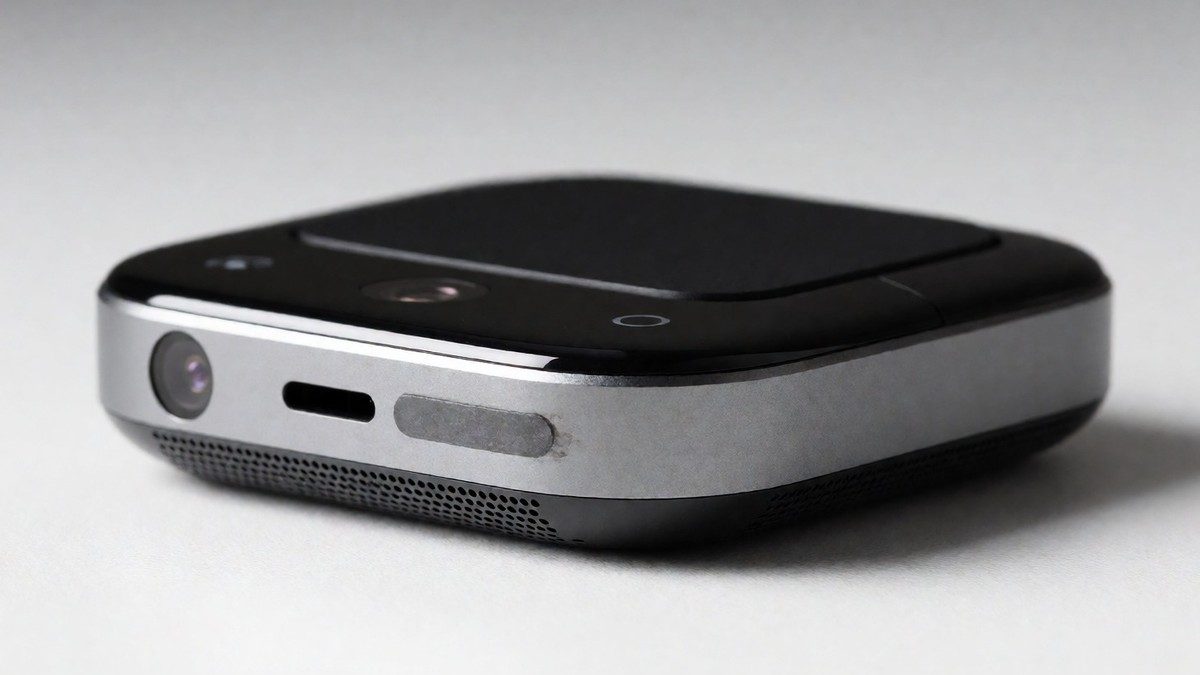
The February 28 shutdown removed access to calling, messaging, AI queries, and cloud storage. This event left the hardware mostly useless. Users can only check the battery life now. The company also deleted all personal identifiable information from its servers. This mass deletion of user data happens alongside the sunsetting of the official Discord channel. I find the speed of this disconnection to be reckless. A group of hackers on Discord bypassed the encryption using leaked codes to revive the device. They even found a hidden port under a sticker to establish a physical connection. These users still struggle because the device lacks wireless connectivity. The device runs on the Cosmos operating system and uses a Snapdragon processor from Qualcomm. It uses a T-Mobile network for cellular connectivity. The hardware includes a 13MP camera, a personic speaker, a Trust Light, and a touchpad. The device uses a touchpad and a laser ink display that projects content onto the palm. The voice assistant is based on models from Microsoft and OpenAI. Users can also connect Bluetooth headphones to the device. The product was originally intended to replace the smartphone, but reviewers from The Verge and Engadget found it to be unfinished.
Financial fallout and the HP deal
HP acquired Humane for $116 million to take over its patents and operating platform. This price is a fraction of the $750 million to $1 billion valuation the startup once sought. Most users cannot get their money back. Users who bought the device before the November 15, 2024 shipping cutoff receive no compensation for their investment in a gadget that they expected to function for years despite the product being marketed as a long-term solution. The company laid off 4 percent of its staff to cut costs before the product shipped. You already know that buying cloud-dependent hardware is a massive gamble. The company raised over $200 million from investors including Sam Altman. The CEO, Bethany Bongiorno, described the layoffs as a refresh of the organizational structure. The staff acqui-hire by HP includes the founding team. The $24 monthly subscription includes unlimited talk, text, data, and cloud storage.
| Detail | Specification |
|---|---|
| Original Hardware Price | $699 |
| Reduced Hardware Price | $499 |
| Monthly Subscription | $24 |
| HP Acquisition Cost | $116 million |
Even after the price dropped to $499, the product failed to gain traction. All pending orders were canceled and refunded in full. The company had originally planned to sell for much more, but no one was convinced of its value.
Hardware failures and uselessness
The device suffered from extreme heat and a charging case that was a fire risk. These flaws led to returns that outpaced sales. The AI response times often exceeded 10 seconds. The device also gave wrong answers about eclipse locations and protein counts in almonds. Specifically, the device claimed an eclipse would be visible in Exmouth, Australia, instead of North America. It also stated that a handful of almonds contained 15 grams of protein, though that amount requires 60 almonds. Because there is no smartphone connection, users still must pull their phones from their pockets. I think the device was a failure. The hardware feels unfinished and prone to overheating. The charging case becomes hot and makes the battery temperature on the chest unpleasant. The monochrome projector only displays limited content and requires awkward gestures. The assistant includes a "Catch Me Up" feature to summarize emails. The camera can scan food for nutritional data. The battery requires two boosters to work. The $699 price tag was a major barrier, even when it dropped to $499. This is especially true when compared to the Rabbit R1, which costs only $199. The Rabbit R1 uses a Large Action Model to handle tasks and does not rely on the same wearable form factor. Will other AI companies face this same fate?