Thinness rivalry and battery gaps
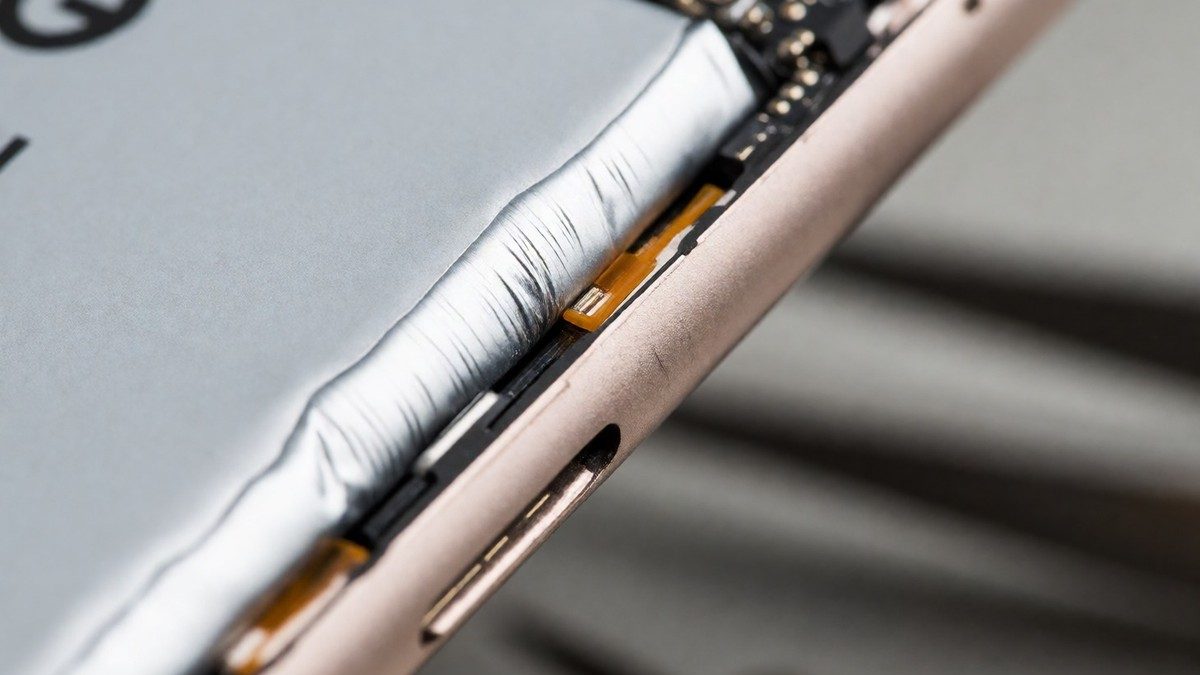
The iPhone 17 Air measures 5.6mm in thickness, which beats the 5.8mm Samsung Galaxy S25 Edge. This design pushes Apple into a direct rivalry with Samsung’s slim profile, yet the thinner chassis forces a significant reduction in battery capacity. The iPhone 17 Air uses a 3,149 mAh battery, whereas the Samsung Galaxy S25 Edge carries a 3,900 mAh cell and the iPhone 16 Plus uses a 4,674 mAh cell. I see this massive gap as a huge risk for users who prioritize longevity over aesthetics. The 3,149 mAh capacity in the Air is significantly lower than the 3,692 mAh in the standard iPhone 17, the 4,252 mAh in the iPhone 17 Pro, and the 5,088 mAh in the Pro Max. The iPhone 17 Air screen is 6.5 inches, which is slightly smaller than the 6.7-inch panel on the iPhone 16 Plus. Because the internal components sit mostly within the camera plateau, high-intensity tasks could generate excessive heat that harms battery efficiency. You should consider if a slightly thinner frame justifies a device that might struggle with thermal management. Do you really want to carry a device that might throttle performance just to stay slim?
Hardware compromises and supply constraints
Apple faces a difficult manufacturing environment this year as DRAM shortages affect hardware shipments. These memory constraints impact the A20 Pro packaging and the upcoming iPhone 18, but the current iPhone 17 Air relies on the A19 Pro. The iPhone 17 Air includes a 5-core GPU, which falls short of the 6-core configuration found in the iPhone 17 Pro. This hardware compromise, along with the single 48MP Fusion camera, suggests Apple prioritized the thin design over total performance. The iPhone 17 Air’s display uses a 6.5-inch LTPO Super Retina XDR panel with 3,000 nits peak brightness, but it lacks the advanced ProMotion capabilities found in the Pro models. To save space, Apple uses an eSIM-only design and an A19 Pro chip alongside N1 wireless and C1X cellular components. Even with the A19 Pro, the device must contend with the titanium frame supply crunch that complicates production schedules. The grade 5 titanium frame provides strength, but it won’t conduct heat as well as the aluminum frames used on the iPhone 17 Pro. The iPhone 17 Air lacks the 12MP ultrawide lens found on the standard iPhone 17.
Testing the thin design
I tested the iPhone 17 Air against the Samsung Galaxy S25 Edge to see if the thinness ruins real-world utility. During a web surfing test, the iPhone 17 Air lasted 12 hours and 2 minutes, slightly outlasting the 11 hours and 48 minutes of the Samsung Galaxy S25 Edge. In a separate 5-hour YouTube video streaming test, the iPhone 17 Air reached 81% battery remaining, while the Samsung Galaxy S25 Edge dropped to 67% after the same duration. The Samsung S25 Edge uses a 200MP main camera and a 12MP ultrawide lens, but it lacks a telephoto lens like the Pro models. The Samsung S25 Edge also provides a 6.7-inch display with a resolution of 3,120 by 1,440 pixels, which is larger than the 1260 x 2736px display on the iPhone 17 Air. However, the iPhone 17 Pro Max provides nearly 6 hours more runtime than the Air. The iPhone Air charging remains slow, too, because it only reaches 18W during tests despite a 20W peak rating. Apple also released a $99 MagSafe battery to add 65% charge, but this accessory defeats the purpose of the slim design. I find the iPhone 17 Air’s battery life to be a disappointing compromise for its price.
| Device | Thickness | Battery | Display Size |
|---|---|---|---|
| iPhone 17 Air | 5.6mm | 3,149 mAh | 6.5-inch |
| Galaxy S25 Edge | 5.8mm | 3,900 mAh | 6.7-inch |
| iPhone 16 Plus | 7.8mm | 4,674 mAh | 6.7-inch |