Software updates for the Glyph Matrix
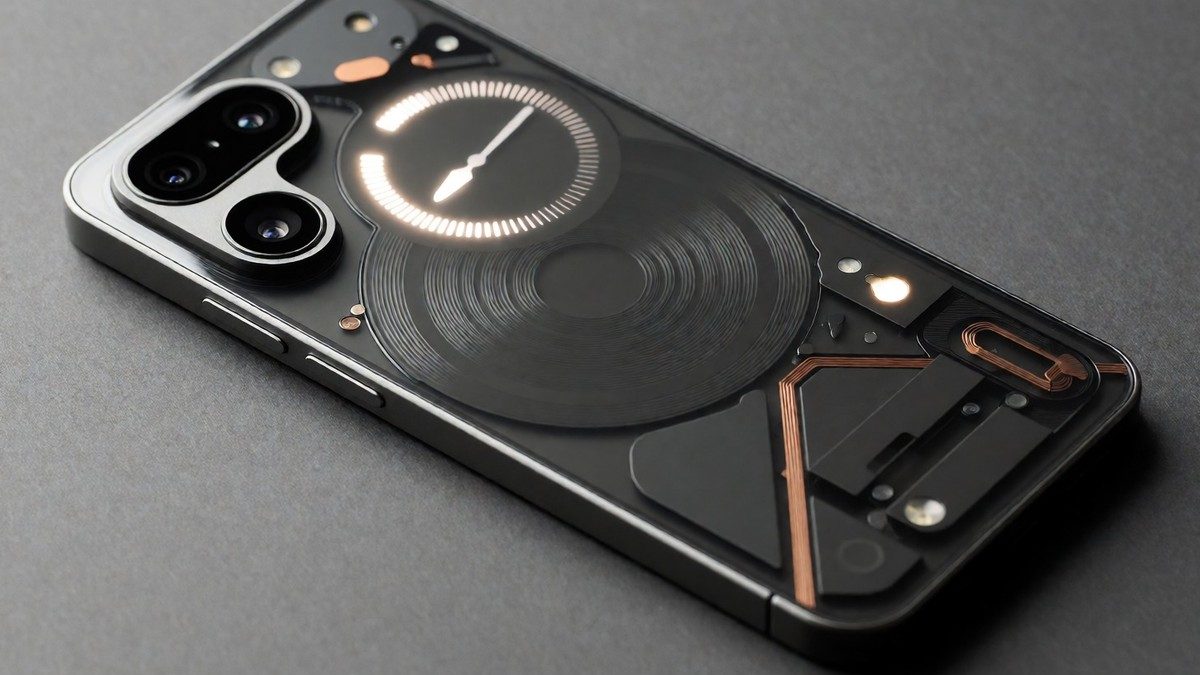
The Nothing OS 5.0 update reached the Nothing Phone (3) in October 2026. This software version introduces the Geist font and a new Glyph App to manage the 489-LED Glyph Matrix. The Matrix displays real-time information like battery levels, timers, and notifications. The update includes a Glyph Timer that lets users start countdowns from the home screen. The software also brings the Essential Apps Builder, which lets users build applications using natural language. I think the 489-LED array provides enough precision for animations, but I would prefer a larger display to compete against other flagships. The update adds a Collector widget to help users build collections. Away Time also tracks how long you stay away from your phone to help you understand your habits. You might find the new micrographics widget useful for adding information to your home screen. The software includes Essential Voice, which allows for real-time text during speech. The Matrix also functions as a compass, a level, and a Magic 8-Ball for users who like gadgets. This update allows users to split the Quick Settings and notifications into dedicated spaces. It also provides a QR code for sharing files with iPhone users.
Design asymmetry and the periscope lens
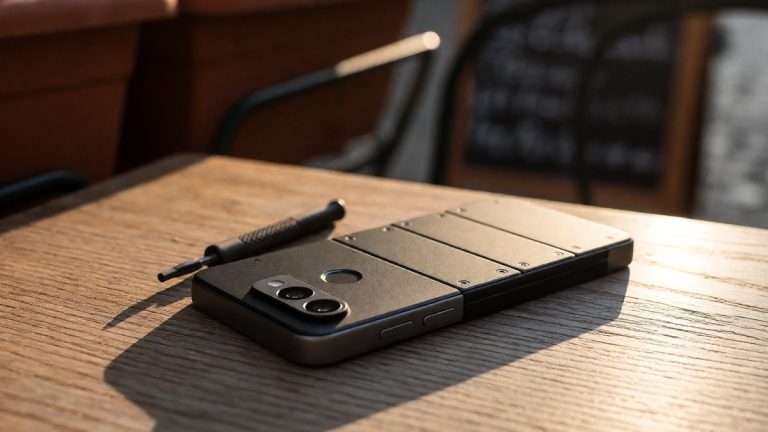
The Phone (3) design remains polarizing because the misaligned telephoto camera module requires extra depth for the periscope lens to fold light using internal mirrors, which disrupts the symmetry found on phones like the Samsung Galaxy Z Flip 7. The transparent back shows the device’s internal geometry through a Bauhaus-inspired layout of lines and planes. I find the capacitive rear button near the Glyph Matrix frustrating because the input lag makes it feel less responsive than a physical switch. The Essential Key allows me to capture screenshots and save them to the Essential Space. This key stores everything locally on the device and uses AI to process data that stays encrypted. I use this key to add meeting invites directly to Google Calendar. The 50MP periscope camera also uses a circular "iris closing" animation on the Glyph Matrix when the timer is active. The camera layout consists of three 50MP sensors in an L-shaped arrangement. This setup provides 3x optical zoom, though it lacks the larger zoom found on the Samsung Galaxy S25 Edge. The design includes an anti-fingerprint aluminum frame. Will the community eventually create enough Glyph Matrix apps to make this hardware as essential as the original iPhone App Store?
| Feature | Specification |
|---|---|
| Processor | Snapdragon 8s Gen 4 (4nm) |
| RAM | 12GB or 16GB |
| Battery | 5,150mAh |
| Charging | 65W wired |
| Display | 6.67-inch (1260 x 2800) |
Hardware performance and heat
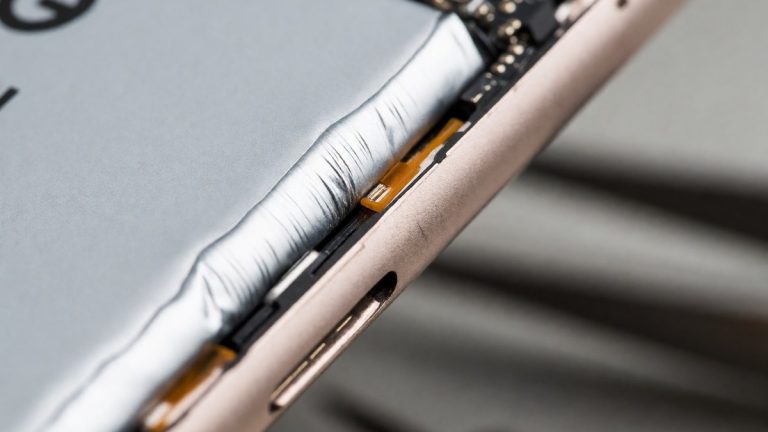
The Phone (3) hardware includes a Snapdragon 8s Gen 4 processor built on a 4nm process, up to 16GB of RAM, and a 5,150mAh battery. This 6.67-inch display has a resolution of 1260 x 2800 pixels. The device performs well with a single-core score of 2,120 and a multi-core score of 6,671 in Geekbench 6. I find that the phone gets hot while I play Marvel Snap or edit photos on Instagram, which makes the device uncomfortable to hold. The 65W wired charging helps replenish the large 5,150mAh battery. The Phone (3) costs $1,179.99 in Canada, making it more expensive than the OnePlus 13. While the design is unique, the thermal issues with the Snapdragon 8s Gen 4 chip make it a poor option for heavy mobile gamers. This phone is a better fit for users who want a unique aesthetic than for those seeking the high-performance benchmarks of the S25 Ultra or ROG Phone 9. I would skip the Phone (3) if you need a device for intense gaming or professional photography.