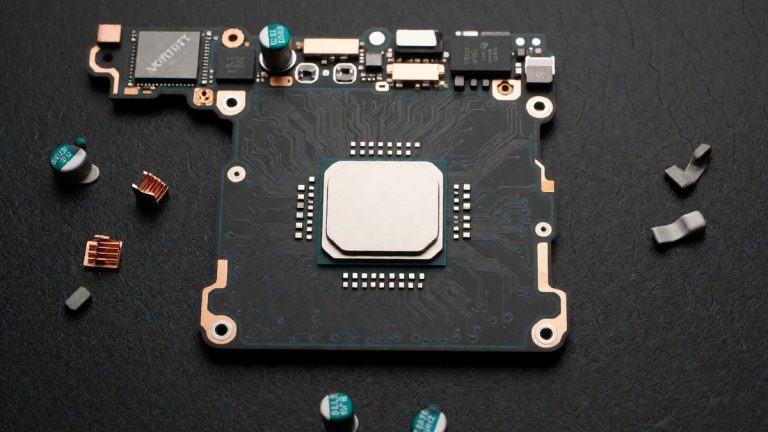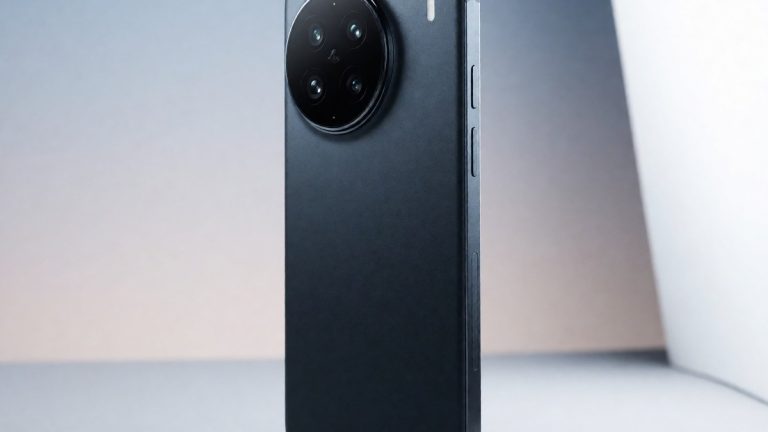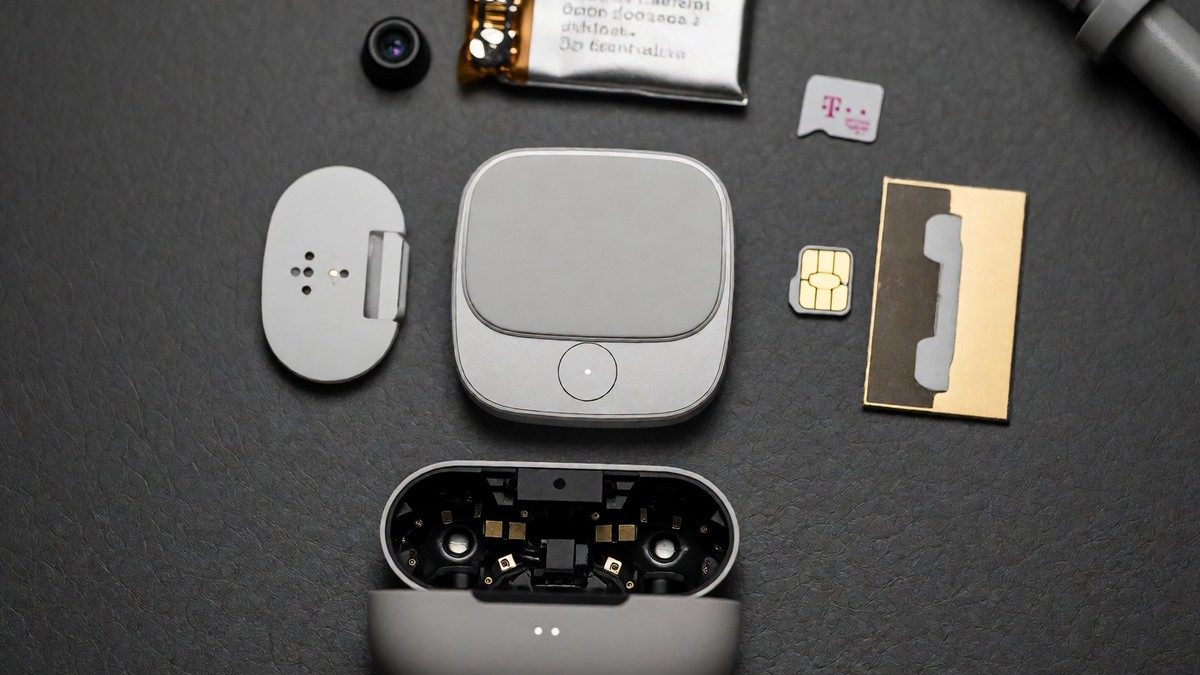
Imran Chaudhri and Bethany Bongiorno founded Humane in 2019 to create technology that feels more human. The company raised $241 million from Microsoft, OpenAI CEO Sam Altman, and other investors to develop the AI Pin. This device, which costs $699 and requires a $24 monthly subscription, uses a Qualcomm Snapdragon processor with a dedicated Qualcomm AI Engine. Users interact with the device through voice commands, a touchpad, and gestures such as pinching or tilting. The device includes a 13MP camera, a personic speaker, and a "trust light" to indicate when sensors are active. It provides a phone number through a T-Mobile line.
The AI Pin aims to reduce screen addiction through a screenless experience. It uses a laser projector to display text and monochromatic images onto a user’s palm. The "Catch Me Up" feature summarizes email inboxes, and the camera uses computer vision to identify food. The device also provides an AI-driven music experience via a partnership with Tidal. It can act as a foreign language interpreter and compose messages in the user’s tone of voice. However, the device faced many technical hurdles. The AI performance was slow, the battery life was inconsistent, and the device often overheated. In sunlight, the laser projection has poor visibility. The AI Pin was a failed experiment in consumer AI hardware.
Technical flaws and service dependency
Technical flaws and service dependency created massive risks for early adopters. Because the AI Pin relies on cloud connections, the sudden February 28, 2025, shutdown of all cloud services rendered the devices completely non-functional. This dependency means a company closure turns the hardware into an expensive paperweight. The device also faced a recall because of battery fire concerns in its charging case. While the device uses a laser projector to display text on a user’s palm, the low visibility in direct sunlight and the inconsistent battery life made the hardware very difficult to use for daily tasks.
| Feature | Humane AI Pin |
|---|---|
| Hardware Price | $699 |
| Monthly Subscription | $24 |
| Processor | Qualcomm Snapdragon |
| Camera | 13MP |
| Display Type | Laser projection |
The consumer launch was difficult as returns outpaced sales at one point. The initial price of $699 dropped to $499 within months of the April 2024 release. Reviewers like Marques Brownlee described the device as the worst product he ever reviewed because the AI was slow and often wrong. The device also had difficulty with ambient noise and low speaker volume. Users manage their photos, videos, and notes via the Humane.center website. The company raised over $230 million before the asset sale.
HP acquisition and the enterprise shift
HP acquired the assets of Humane for $116 million in February 2025. This $116 million transaction was far below the $750 million to $1 billion the company originally sought. HP acquired the Cosmos AI operating system, the engineering team, and more than 300 patents. The company plans to use these assets to build an AI innovation lab called HP IQ. This move targets AI software investments for the future of work. Can an enterprise-focused tool succeed if it carries the same hardware instability that killed the consumer version? You probably already know that hardware failures often plague specialized professional tools.
The company originally aimed to reduce distractions by removing the need for smartphone screens. The AI Pin was designed to be a standalone device that does not need to be paired with a smartphone. The transition to enterprise hardware relies on the Cosmos platform to provide hands-free assistance for work tasks.