Sovereignty in software
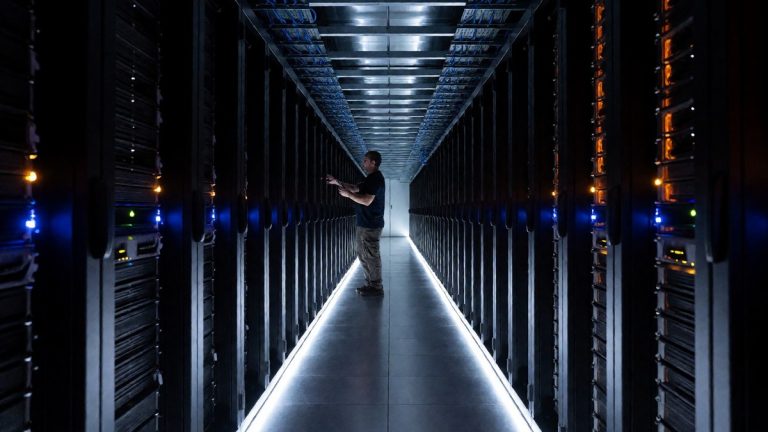
Helsing provides a European alternative to United States military AI providers. Its Clarity platform uses hundreds of specialized AI agents to analyze satellite imagery, drone video, signals, and written reports in parallel. Human operators approve every target and handover. This capability gives military control over data, AI models, and operations. Gundbert Scherf, co-founder and co-CEO, stated in a press release that such a capability must be sovereign. The founders established the company in 2021 following the 2014 annexation of Crimea to protect democratic values. Ukraine holds vast reserves of battlefield imagery from the Russian invasion, which creates a resource for military AI development. This data raises questions regarding which companies can use the information and who owns the resulting technology. European ownership through Daniel Ek’s Prima Materia and a democracies-only sales policy makes Helsing a partner for sensitive sovereign programs. The company maintains Resilience Factories in Germany and the UK to maintain end-to-end control over algorithms and autonomous platforms. The Altra battlefield management platform integrates with Systematic’s SitaWare, which 50 nations use. You likely understand that European nations want to maintain control over their own defense data.
Combat validation of the HX-2
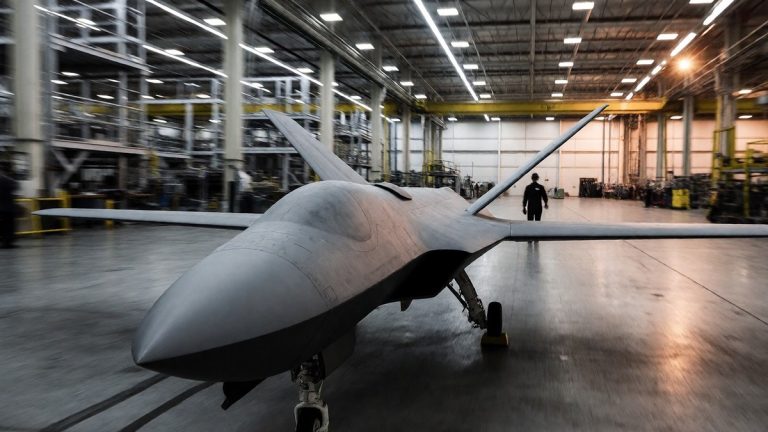
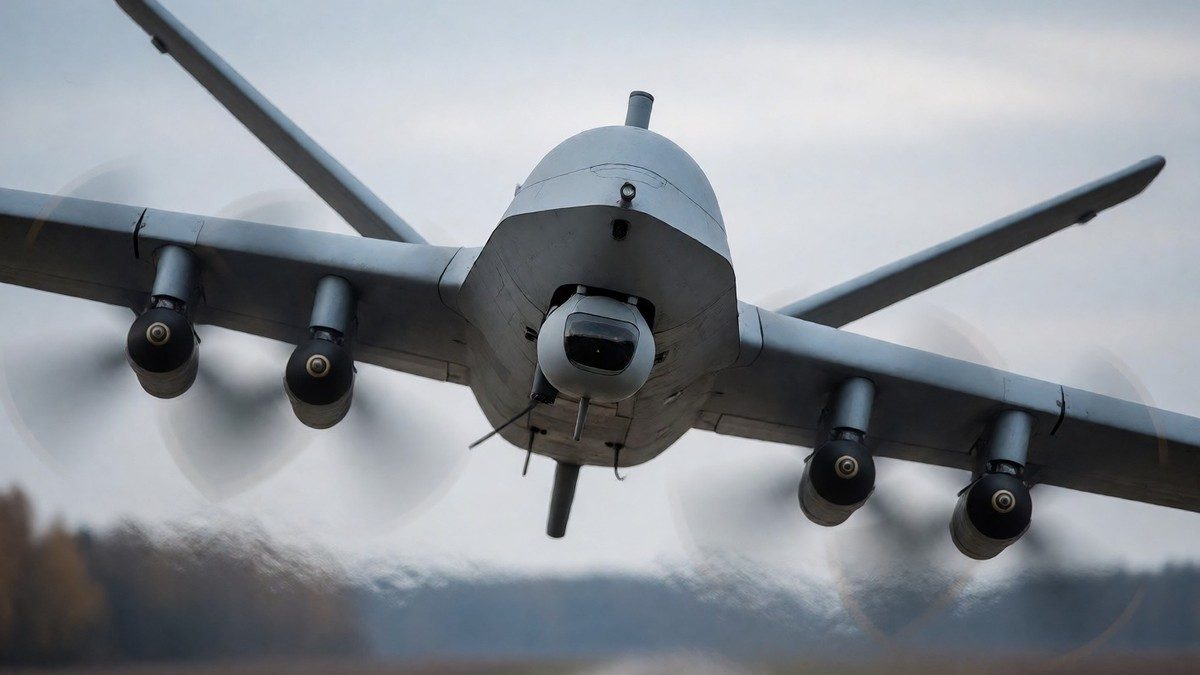
Helsing combines AI software for sensor fusion and targeting with mass-producible hardware. The HX-2 loitering munition is its most visible product line. The company supplies these kits to the Ukrainian military. In 2025, the company announced the delivery of 6,000 HX-2 drones. A Ukrainian pilot using the call sign Black describes the HX-2 as fast and agile. He notes that the system identifies targets independently, though it cannot determine if a target has been destroyed. While the company reported nearly 100% hit rates during October tests with German and British militaries, a German Defense Ministry presentation from November 2026 indicated that only 25% of HX-2 drones successfully launched during front-line tests by the 14th Regiment. These reports also cited mechanical problems with the catapult system and missing AI components intended to help the drone navigate without a pilot. Many drones were not flight-ready or crashed shortly after takeoff, according to reports from the newspaper Die Welt. This follows the earlier HF-1 model, which was made of plywood and initially saw orders for 4,000 drones. Ukrainian soldiers reported that the HF-1 hit more than 50% of targets in the Pokrovsk front-line area, though it faced criticism for being too expensive and ineffective. Oleksandr Karpyuk, a senior sergeant, noted that the HX-2 has four forward-facing motors which provide maneuverability and speed, unlike the Russian Lancet drone which uses a rear pusher motor.
| HX-2 Specification | Value |
|---|---|
| Range | 100 km |
| Cruise speed | 250 km/h |
| Payload | 5 kg |
| Motor configuration | Four forward-facing motors |
Does the hardware catch up to the software speed?
Market position and regulation
Helsing competes with the American company Anduril, which reached $2.2 billion in revenue in 2025. Helsing focuses on European markets including Germany, the United Kingdom, and Ukraine, while Anduril serves the United States and Australia. Helsing develops software like Altra for battlefield management and Centaur for AI-piloted flight. Centaur is the brain behind the upcoming CA-1 Europa, an autonomous fighter jet slated for 2027 flight tests. The technology underwent testing aboard a Saab Gripen E to fly inside an existing allied airframe. The company also developed Lura, which uses a large acoustic model to detect submarines. Helsing’s business model includes software licensing through Altra and Centaur and hardware sales through the HX-2 line. The company’s valuation reached 18 billion dollars in May 2026 during an ongoing funding round. Ukraine ordered 10,000 units of the HX-2 from the southern Germany factory. The EU AI Act began full enforcement in August 2026, and it classifies AI systems into four risk tiers. High-risk systems, which include AI used in law enforcement or recruitment, require technical documentation and human oversight. Any business that puts a third-party AI system to use in a consequential context is a regulated deployer.