Hardware connectivity and carrier silos
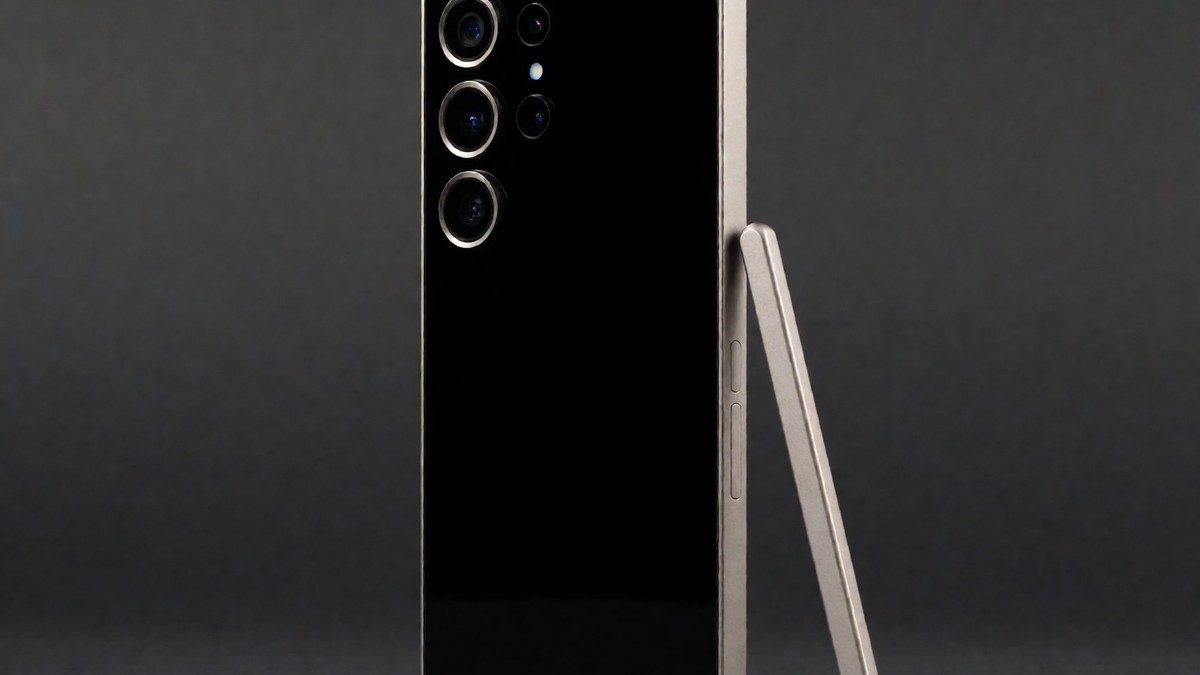
The Snapdragon 8 Elite processor inside the Galaxy S25 series includes the Snapdragon X80 5G Modem-RF System. This hardware allows the Galaxy S25 Ultra to connect to the Skylo satellite network for narrowband NTN messaging natively supported in Android OS. Qualcomm revised the Snapdragon Satellite program so phone makers could connect to providers of their choosing after the partnership with Iridium fell apart in late 2023. Samsung did not mention this connectivity during its Unpacked event. This omission creates confusion because availability depends on your wireless provider. Verizon customers use Skylo for emergency SOS and basic texting. T-Mobile users access T-Satellite via SpaceX Starlink satellites. T-Mobile provides messaging and app support for WhatsApp, Google Maps, AllTrails, and AccuWeather. Google Pixel 9 phones also use Skylo for emergency satellite-based SMS messaging. AT&T has not launched its service through AST SpaceMobile yet, though Samsung is working with the carrier to support these features. While the Snapdragon 8 Elite provides laptop-level power, the fragmentation between Verizon, T-Mobile, and AT&T means your ability to send an emergency text depends entirely on your specific service contract. Can you rely on a feature that disappears when you change providers? The Galaxy S25 Ultra costs $1,299.99, the S25+ costs $999.99, and the standard S25 costs $799.99.
Pricing and service availability
Carrier agreements dictate whether the Galaxy S25 Ultra can send messages when cell towers fail. Verizon provides free satellite messaging for eligible Galaxy S25 users through Skylo. T-Mobile charges $10 per month for T-Satellite on basic plans, but includes it in higher tier plans. T-Mobile also supports messaging for the Galaxy S21 and newer models. T-Mobile has over 3 million direct-to-cell subscribers as of early 2026. Motorola Razr, Edge, and Moto G models from 2024 onward also support T-Mobile’s network. T-Mobile’s Revvl 8 and Revvl 8 Pro also work with this service. The Pixel 10 series, including the 10a, supports satellite SOS through Skylo.
| Provider | Network | Primary Feature | Monthly Fee |
|---|---|---|---|
| Verizon | Skylo | Emergency SOS and SMS | $0 |
| T-Mobile | Starlink | T911 and App support | $10 |
| Apple | Globalstar | Emergency SOS and Messages | $0 |
| Google Pixel | Skylo | Emergency SOS | $0 |
Apple uses the Globalstar network for its iPhone 14 and newer models. These iPhones support Roadside Assistance and Messages via satellite. The iPhone 16 and other recent models allow location sharing through Find My via the satellite network. Because Apple manages its own direct partnerships, the experience is more consistent across different carriers and regions. You should check your settings to see if your specific model supports these features.
Physical limits and signal conflicts
Satellite messaging is not a replacement for a cellular connection. Messages consist of plain text and stay under 500 characters. You cannot send photos, videos, or voice messages. You need a clear view of the sky to avoid connection failure. Dense forests, mountains, and heavy cloud cover prevent connections. Reports on forums suggest the Galaxy S25 fails to trigger satellite mode because the phone detects a very weak, intermittent cell signal. If the phone sees any signal, the Skylo software may block satellite access. This makes the tool useless in areas with inconsistent coverage. Battery drain increases when you hold a satellite connection alongside normal phone use. Emergency SOS walks you through a guided flow to share your location and status, while full messaging allows for two-way texting to contacts. Sending a message can take a minute or more as the phone tracks a moving satellite. The Galaxy S26 lineup received FCC certification for satellite communication in January 2026. Amazon plans to acquire Globalstar in 2027, which will shift Apple’s network to Amazon’s Leo satellite constellation. Most implementations limit satellite connectivity to emergency situations and basic messaging, but the carrier-dependent rollout makes it an unreliable tool for many.