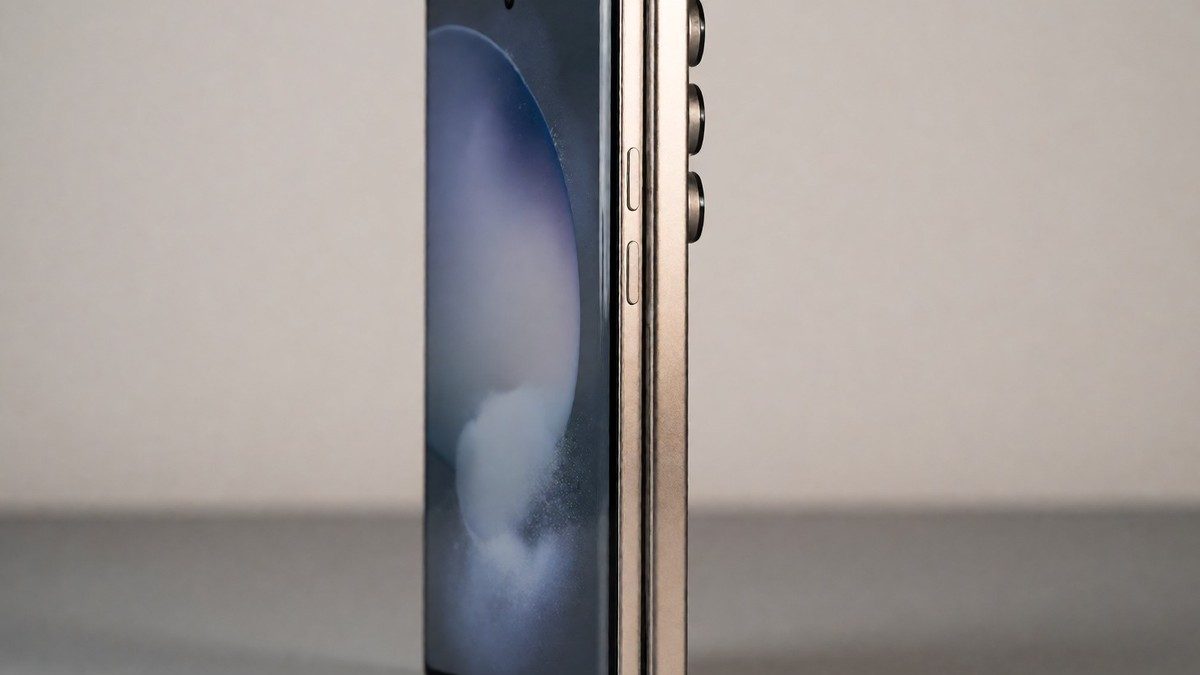
Samsung’s decision to discontinue the Galaxy Edge lineup stems directly from the S25 Edge’s failure to meet sales targets, a collapse that industry sources describe as "dangerously close to becoming an ambitious experiment that failed to post the expected results." The device launched at $1,099 for 256GB of storage and 12GB of RAM, a price point that sits above the standard S25 but below the Ultra. Despite a large-scale advertising campaign, demand remained far below forecasts even in South Korea. The phone’s 3,900 mAh battery barely lasted through a full day of use, prompting buyers to choose the more practical S25+ or S25 Ultra instead. This commercial stumble forced the company to halt the project before the S26 Edge could enter mass production, leaving suppliers and internal teams in confusion.
Component costs and supply chain friction
The production environment for the S25 Edge was defined by unprecedented pressure on memory chips. A significant shortage of memory products persisted because AI infrastructure demands diverted manufacturing capacity toward high-bandwidth memory, squeezing the supply of conventional components. Memory accounted for 43% of the cost of a premium smartphone in the third quarter, roughly three times the 14% share recorded a year earlier. To combat this, Samsung raised prices on existing devices by 100,000 to 200,000 Korean won. The mobile division warned of a challenging year as it worked with partners to ensure stable supply and drive resource efficiencies to minimize profit erosion. Co-CEO TM Roh described the chip shortage as "unprecedented" and did not rule out further price increases.
The physical build of the phone introduced additional technical hurdles during the ramp-up phase. The device measures 5.8mm in thickness, thinner than a standard pencil, which required new ceramic glass for durability. Samsung initially delayed the launch from April to May due to "technical issues with the device, which made further testing necessary." These delays pushed the release date to May 13, a shift that caught telecom operators off guard. The slim profile also meant the phone dropped the telephoto lens found on other models, keeping only the 200MP main camera and a 12MP ultra-wide sensor. While the design survived a critical bend test, the trade-off between aesthetics and functionality clearly alienated the broader consumer base.
Strategic retreat and market impact
Samsung has now exited the 8-inch foundry business by 2030, a move that reduces global wafer output by 2.4% in 2026 and tightens supply for legacy chips used in appliances and cars. This strategic focus on advanced 12-inch processes leaves less flexibility for older component lines that might have supported diverse product tiers. The discontinuation of the Edge series means the specific innovations developed for its titanium frame and lightweight structure may find their way into upcoming foldables or lighter flagship versions. However, the immediate result is a shortened experimental cycle for one of the company’s most hyped hardware formats.
The financial impact extends beyond the mobile unit, which saw operating profit decline by 10% to 1.9 trillion won in the fourth quarter. Analysts estimate the DX division posted a loss exceeding 1 trillion won in the third quarter, driven by higher input costs and weaker price competitiveness. Samsung is pursuing a chicken-game strategy to boost shipments beyond Chinese rivals, yet the rising costs make this approach increasingly difficult to sustain. Will the company attempt another ultra-slim form factor in the future, or does the S25 Edge’s failure signal the end of that design philosophy? The answer remains uncertain as the firm focuses on defending margins against the ongoing memory price surge.