WSE-3 architecture and Llama 4 speeds
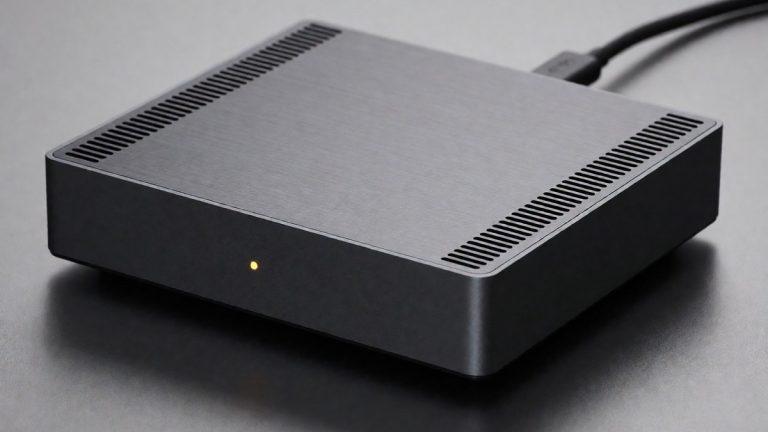
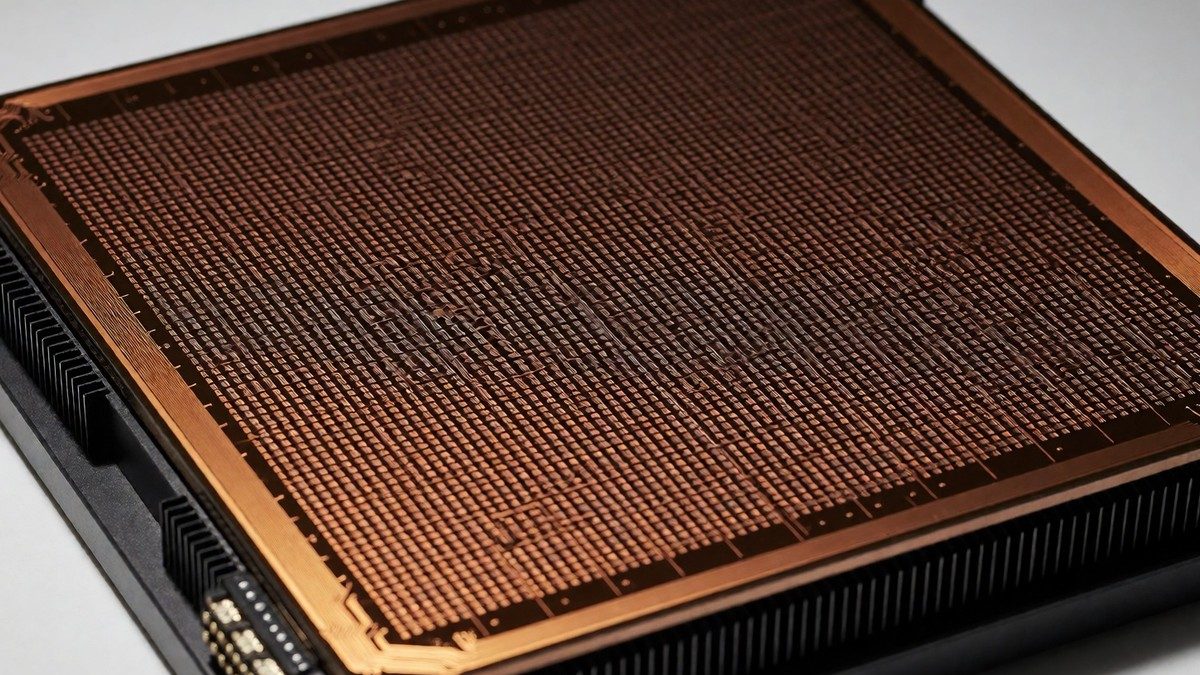
The WSE-3 chip contains 4 trillion transistors and 900,000 AI-optimized cores. This single processor occupies 72 square inches of silicon and uses 5nm manufacturing. It uses 44 GB of on-chip SRAM to keep model weights in fast local memory. During testing of the 400B-parameter Llama 4 Maverick model, Cerebras achieved 2,522 tokens per second, which is more than double the 1,038 tokens per second recorded for NVIDIA Blackwell on the same benchmark. The CS-4 system arrived in August 2026 to build on the WSE-3 architecture. This follows the CS-3, which Time included on its list of the best inventions of 2024. The previous WSE-2 generation included 850,000 cores and 2.6 trillion transistors, supporting models with more than 120 trillion parameters. The company was founded in 2015 by Andrew Feldman, Gary Lauterbach, Michael James, Sean Lie, and Jean-Philippe Fricker. The company produced its first product in 2019 after years of engineering challenges.
| Spec | Cerebras WSE-3 | NVIDIA Blackwell B200 |
|---|---|---|
| Transistor Count | 4 Trillion | 208 Billion |
| AI Cores | 900,000 | Thousands |
| On-chip SRAM | 44 GB | 80 GB |
| Llama 4 Speed | 2,522 tokens/sec | 1,038 tokens/sec |
The inference competition against NVIDIA
NVIDIA maintains a massive market lead through its software ecosystem and high-speed networking, but Cerebras focuses on workloads where the speed of a single wafer outweighs the benefits of a massive cluster of connected GPUs. NVIDIA controls 90% of the AI accelerator market with its Blackwell and Rubin platforms. The CUDA platform creates a software moat that keeps developers using NVIDIA hardware. NVIDIA uses NVLink to connect discrete GPUs into clusters. NVIDIA’s Rubin platform uses NVLink 6 to deliver 3.6 TB/s of bandwidth per GPU, attempting to minimize the data movement issues that Cerebras solves with a single chip. Cerebras uses a single wafer-scale engine to eliminate the inter-chip communication bottlenecks found in GPU clusters. This architecture enables 1,200 to 2,000 tokens per second for LLM inference. You already know that CUDA makes switching hardware difficult for most enterprises. While NVIDIA works to reduce the inference gap with the Rubin platform, Cerebras claims to deliver 1/3 the cost and 1/3 the power of equivalent NVIDIA systems. The WSE-3 provides 50 times the compute power of the NVIDIA H100 GPU. While the H100 die measures only 1 square inch, the WSE-3 occupies 72 square inches of silicon. Does the industry prefer the flexibility of a cluster or the raw speed of a single wafer?
Market dominance and OpenAI dependency
The $10 billion contract with OpenAI secures 750 megawatts of computing power through 2028. OpenAI uses these systems to deliver scale for its models. AWS also provides Cerebras chips for inference through its cloud infrastructure. Cerebras reported $510 million in revenue and $87.9 million in net income for 2025, which is a 76% year-over-year increase. A significant portion of this revenue comes from OpenAI, which is about 24% of the company’s total earnings. This concentration creates an existential risk if OpenAI reduces its hardware dependency. The company, which manages a $24.6 billion backlog, must diversify its customer base to sustain growth. Cerebras went public on May 14, 2026, with an IPO price of $185 per share, and the stock closed its first day of trading at $311. This 68% increase resulted in a market capitalization of approximately $67 billion. Cerebras works with the Mayo Clinic and GlaxoSmithKline for life sciences research. These medical companies use the systems to analyze genomic data and predict drug responses.