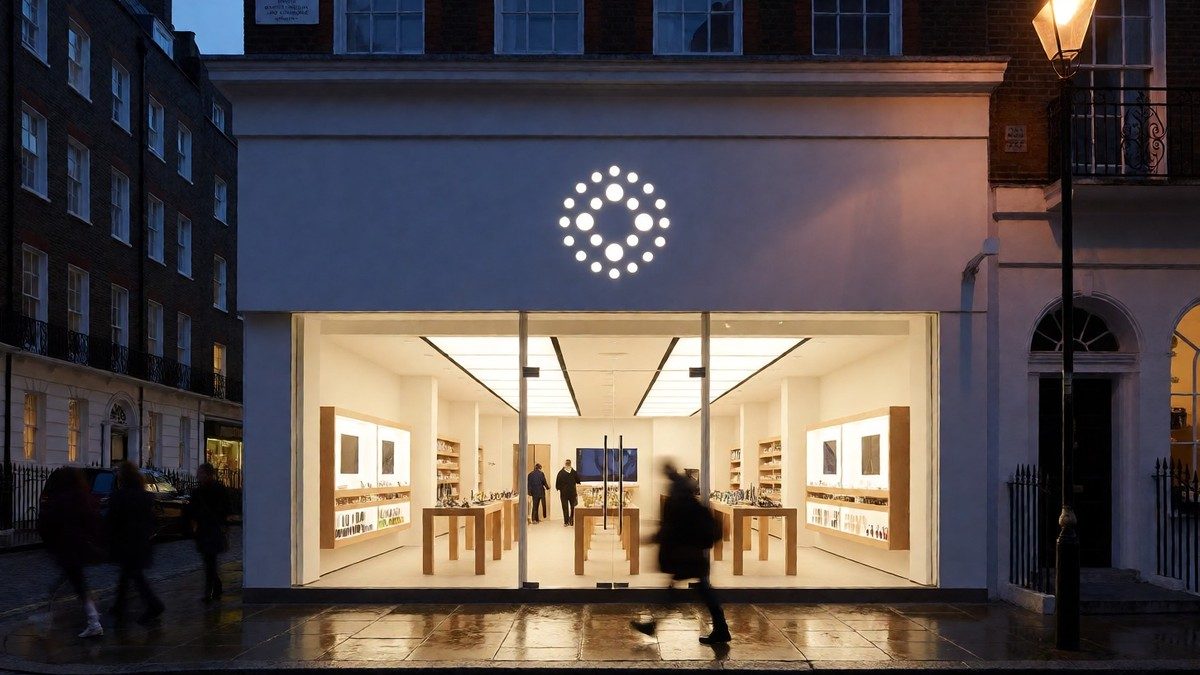
Carl Pei co-founded Nothing in London in 2020 after leaving OnePlus. The company has raised $400 million total, including a recent $96 million round led by Highland Europe with participation from Swedish House Mafia. A separate $200 million Series C in 2025 reached a $1.3 billion valuation with backing from Tiger Global and GV. Nothing aims to create an alternative ecosystem of tech products for young, creative users by removing barriers between people and technology. The company employs 450 team members across seven global offices and collaborates with 8,000 private investors. Nothing is a privately held company with backing from investors like Tony Fadell, Casey Neistat, and Kevin Lin. The brand has grown significantly, with annual revenue exceeding $500 million in 2024. The company also operates the CMF sub-brand and maintains a physical retail presence in London’s Soho district. The current product lineup includes the Phone (1), Phone (2), Ear (2), and Ear (Stick).
The Phone (3a) Lite and midrange competition
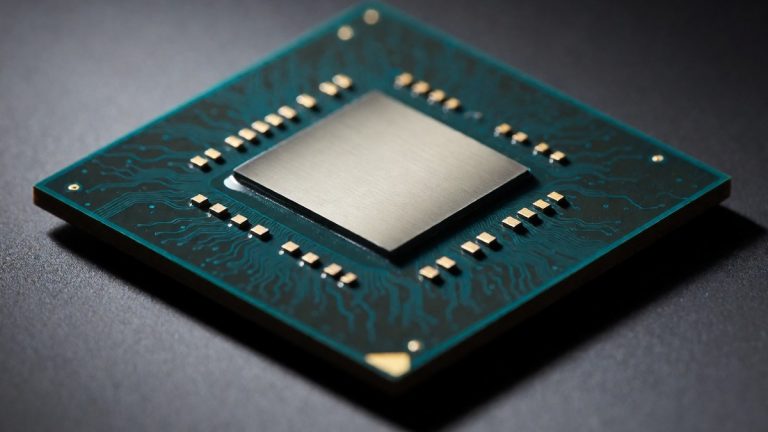
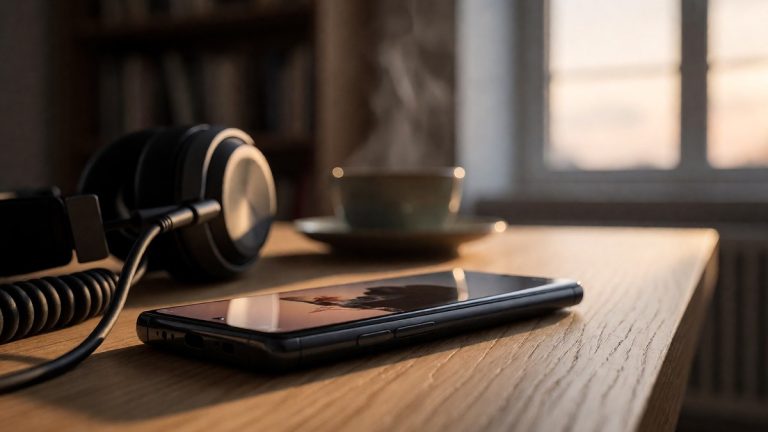
The Phone (3a) Lite brings the Nothing experience to more users at an accessible price. This device uses a MediaTek Dimensity 7300 Pro chipset and includes a 6.77-inch flexible AMOLED display with 3000 nits peak brightness and 1300 nits outdoor brightness. The Phone (3a) Lite introduces the Glyph Light, which evolves the original Glyph Interface used on the Phone (1) to provide users with customizable light sequences for calls and contacts. The camera system uses a 50 MP main sensor with a 1/1.57-inch Samsung component and supports 4K video recording at 30 FPS. The TrueLens Engine 4.0 pipeline captures 64% more light than typical sensors in its class. Users receive three years of major Android updates and six years of security patches. The 5000 mAh battery lasts almost 2 days with mixed use, and the 33 W fast charging reaches 50% in 20 minutes.
| Phone (3a) Lite Specification | Detail |
|---|---|
| Display | 6.77-inch AMOLED, 120 Hz |
| Processor | MediaTek Dimensity 7300 Pro |
| Main Camera | 50 MP |
| Battery | 5000 mAh |
| Charging | 33 W wired |
| Price (8+128GB) | £249 / €249 |
The Phone (3a) Lite competes in a crowded mid-range segment where older OnePlus Nord models once held sway. While the Nord 2T offered 80W wired charging and a 32MP front camera, the Phone (3a) Lite provides a 50MP main sensor and 33W charging. You might recall the Nord’s higher refresh rate, but the Phone (3a) Lite reaches 120Hz. However, the Phone (3a) Lite lacks the 80W charging speed seen in the OnePlus Nord 2T. The Phone (3a) Lite includes 8 GB of physical RAM, 8 GB of virtual RAM, and 1080 x 2392 resolution. It also has an IP54 rating and an aluminum battery frame.
Market shifts and the AI pivot
The 2026 smartphone market faces a severe memory shortage that started in late 2025. NAND and DRAM costs rose over 300% year-over-year, forcing vendors to increase prices as they run out of ways to absorb costs. Average selling prices for smartphones increased 27.6% this year to $581. This cost hike hits the low-end Android segment hard, as vendors cut cheaper models to maintain margins. The sub-$100 segment saw a 60% year-over-year drop in the second quarter of 2026. Android shipments fell 24.3% in 2026, while the total market value grew 6.3% to $613 billion. Apple entered the foldable market in the second half of 2026, which helped the foldable category grow 12.6%. The memory tsunami hits the market because the components required for AI are in short supply, and vendors pass these costs to consumers. In emerging markets, mass market demand dropped over 20% this year.
Nothing is pivoting toward AI-native devices following its $200 million investment in 2025. CEO Carl Pei aims to build an operating system for an AI-first world that works on smart glasses and humanoid robots. The company plans to ship its first AI-native devices in 2026, which gives the team roughly 18 months to transition from a conceptual stage to a consumer product that can compete with established tech giants. Because the company aims to build a complete platform that runs whatever comes next, it faces immense technical pressure. Will the company successfully build an entirely new operating system from scratch?